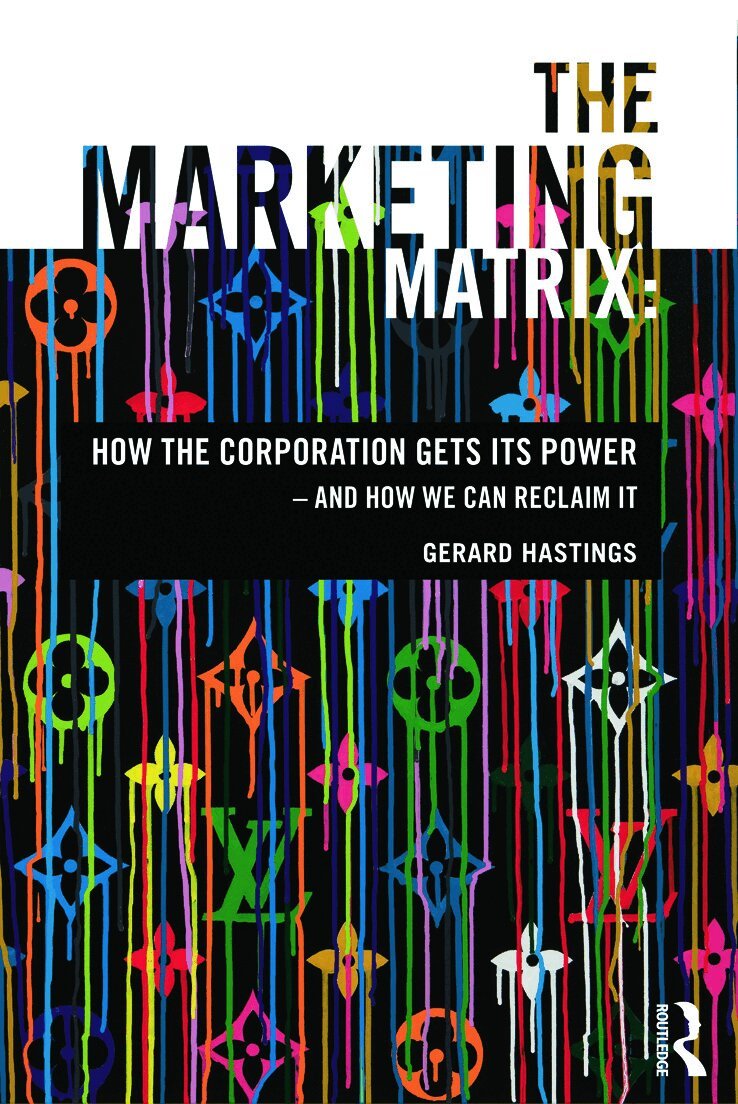
Häftad, Engelska, 2012
Marketing Matrix
953 kr
Beställningsvara. Skickas inom 10-15 vardagar. Fri frakt över 249 kr.
Beskrivning
In the hands of the corporate sector, marketing has turned us into spoilt, consumption-obsessed children who are simultaneously wrecking our bodies, psyches and planet. Given the fiduciary duties of the corporation, notions like consumer sovereignty, customer service and relationship building are just corrosive myths that seduce us into quiescence, whilst furnishing big business with unprecedented power. Corporate Social Responsibility, the ultimate oxymoron, and its country cousin, Cause Related Marketing, are just means of currying favour amongst our political leaders and further extending corporate power. So it is time to fight back. As individuals we have enormous internal strength; collectively we have, and can again, change the world (indeed marketing itself is a function of humankind’s capacity to cooperate to overcome difficulties and way predates its co-option by corporations). From the purpose and resilience Steinbeck’s sharecroppers (‘we’re the people – we go on’), through Eisenhower’s ‘alert and knowledgeable citizenry’ to Arundhati Roy’s timely reminder about the wisdom of indigenous people ‘are not relics of the past, but the guides to our future’, there are lots of reasons for optimism. If these talents and strengths can be combined with serious moves to contain the corporate sector, it is possible to rethink our economic and social priorities. The book ends with a call to do just this. This compelling and accessible book will be of interest across the social sciences and humanities – and indeed to anyone who has concerns about the current state of consumer society. It will also be particularly useful reading for those marketing students who'd prefer a critical perspective to the standard ritualization of their discipline.
Produktinformation
- Utgivningsdatum: 2012-10-03
- Mått: 156 x 234 x 12 mm
- Vikt: 340 g
- Format: Häftad
- Språk: Engelska
- Antal sidor: 204
- Förlag: Taylor & Francis Ltd
- ISBN: 9780415678629
Utforska kategorier
Betyg & recensioner
0 recensioner
Inga recensioner tillgängliga.