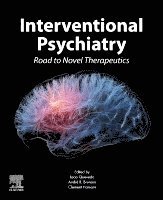
Häftad, Engelska, 2024
Interventional Psychiatry
Av Jo�o L. de Quevedo, Andr� R. Brunoni, Clement Hamani
2188 kr
Beställningsvara. Skickas inom 10-15 vardagar. Fri frakt över 249 kr.
Beskrivning
Recent advances in pharmacology and brain stimulation have led to the development of novel treatments for psychiatric disorders. These new advances have led to the development of a new subspecialty, Interventional Psychiatry.
Interventional Psychiatry: Road to Novel Therapeutics reviews all specialized treatments including device-based interventions such as electroconvulsive therapy (ECT), repetitive transcranial magnetic stimulation (rTMS), and deep brain stimulation (DBS). This book discusses the procedure-based pharmacologic interventions including ketamine infusion therapy and psychedelic therapies. Internationally contributed, this book outlines the state of the field, as well as implications for training and the role of the interventional psychiatrist in treatment teams.
- Introduces an innovative approach combining both well-established and innovative methodologies
- Includes an in-depth description of putative mechanisms of action
- Features clinician-friendly presentation of indications, contraindications, and techniques
- Outlines guidelines to foster fellowships in Interventional Psychiatry
Produktinformation
- Utgivningsdatum: 2024-04-18
- Mått: 191 x 235 x 29 mm
- Vikt: 1 150 g
- Format: Häftad
- Språk: Engelska
- Antal sidor: 590
- Förlag: Elsevier Science
- ISBN: 9780443184963
Utforska kategorier
Betyg & recensioner
0 recensioner
Inga recensioner tillgängliga.