Häftad, Engelska, 2026
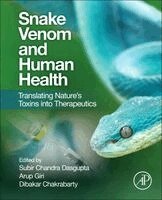
Snake Venom and Human Health
Av Subir Chandra Dasgupta, Arup Giri, Dibakar Chakrabarty
2151 kr
Kommande
Beskrivning
Snake Venom and Human Health: Translating Nature’s Toxins into Therapeutics offers a detailed exploration of the burgeoning field of venom-derived therapeutics. As biomedical research continues to uncover potential applications of snake venom, this book serves as an essential resource that bridges fundamental science and clinical application and examines how these potent biological substances are being transformed into innovative treatments for a wide array of health conditions, including cancer, infectious and parasitic diseases, cardiovascular issues, neurodegenerative disorders, diabetes, and autoimmune diseases. Starting with an overview of venom classification and structural insights, the book is organized into detailed chapters that cover the biochemical basis of snake venom, its therapeutic applications, and the emerging technologies supporting its development. Subsequent chapters explore specific medical applications-from anticancer and antimicrobial therapies to treatments for cardiovascular, neurological, dermatological, and metabolic disorders. It goes on to explore innovative topics as well as the regulatory and sustainability issues and ongoing challenges-such as safety concerns, ethical considerations, and scalability that surrounding venom research.
Enriched by contributions from international experts in the field, Snake Venom and Human Health aims to provide researchers, clinicians, and industry professionals a thorough understanding of both the scientific foundations and the translational aspects of venom-based therapeutics.
Enriched by contributions from international experts in the field, Snake Venom and Human Health aims to provide researchers, clinicians, and industry professionals a thorough understanding of both the scientific foundations and the translational aspects of venom-based therapeutics.
- Offers a detailed exploration of the therapeutic potential of snake venom, highlighting its applications in treating cancer, antimicrobial resistance, cardiovascular, and neurodegenerative diseases
- Provides practical guidance on developing venom-based therapeutics, addressing challenges in extraction, safety testing, and clinical implementation
- Examines emerging trends such as bioengineering, nanotechnology, and artificial synthesis, and offers future-oriented perspectives and policy strategies to accelerate venom-based drug development
- Features insights from leading experts on cutting-edge multidisciplinary research on venom’s role in combating antimicrobial resistance and advancing novel medical treatments
Produktinformation
- Utgivningsdatum: 2026-10-12
- Mått: 191 x 235 x undefined mm
- Vikt: 450 g
- Format: Häftad
- Språk: Engelska
- Antal sidor: 480
- Förlag: Elsevier Science
- ISBN: 9780443443947
Utforska kategorier
Betyg & recensioner
0 recensioner
Inga recensioner tillgängliga.