Häftad, Engelska, 2007
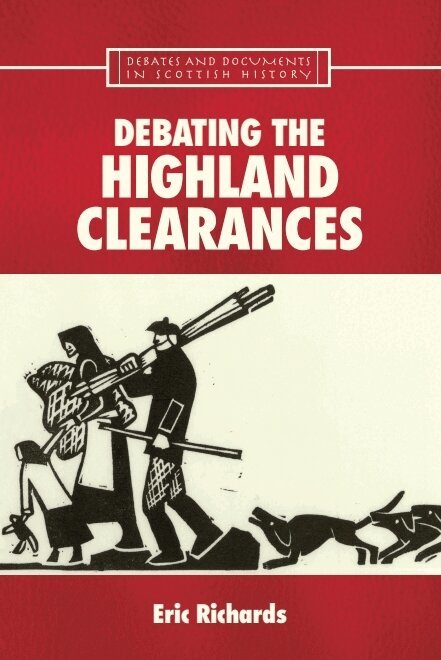
Debating the Highland Clearances
592 kr
Beställningsvara. Skickas inom 3-6 vardagar. Fri frakt över 249 kr.
Beskrivning
Storm clouds always gather over the story of the Highland Clearances. The eviction of the Highlanders from the glens and straths of the Highlands and Islands of the north of Scotland still causes great historical dispute more than a century after the events. The Highland Clearances also generated a great deal of contemporary controversy and documentation. The record comes in diverse forms and with radically different provenances, offering excellent material for exercises in historical analysis and selection. Debating the Highland Clearances introduces the Highland Clearances as a classic historical problem. Eric Richards reviews the historical debate and examines the methods and sources employed by the combatants past and present. The debates among historians, novelists, politicians and economists are no less passionate today and raise major questions about interpretation and the appropriate frame of reference for the noisy and continuing public debate about the Highland Clearances.This book presents a representative anthology of documents illustrating the historical foundations on which the debate is built. The debate is set in context and the author explains why it is not only important for Scottish patriots but for history in general.Key Features:• Organised into two parts; the first considers debates surrounding the Clearances, the second examines a selection of the sources which inform these debates• Presents and analyses an anthology of source material compiled to introduce the debates surrounding the Highland Clearances to audiences learning about historical analysis• Asks why passionate debate about the Clearances has been sustained and provides a modern introduction to its main issues
Produktinformation
- Utgivningsdatum: 2007-07-12
- Mått: 156 x 234 x 14 mm
- Vikt: 462 g
- Format: Häftad
- Språk: Engelska
- Serie: Debates and Documents in Scottish History
- Antal sidor: 256
- Förlag: Edinburgh University Press
- ISBN: 9780748621835
Utforska kategorier
Betyg & recensioner
0 recensioner
Inga recensioner tillgängliga.