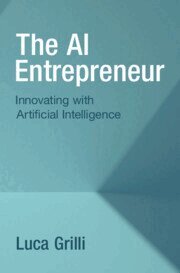
Inbunden, Engelska, 2026
The AI Entrepreneur
Av Luca Grilli
1518 kr
Kommande
Beskrivning
Artificial intelligence is often portrayed as a force set to radically transform entrepreneurship. This book takes a more analytical approach, asking what AI truly changes-and what it does not-about the role of innovative entrepreneurs in advanced capitalist economies. Integrating AI into established economic theories of entrepreneurship, Luca Grilli develops new conceptual frameworks informed by emerging empirical evidence on the nature of AI entrepreneurship. His analysis shows how AI frequently reinforces incumbent advantage while also generating forms of systemic lock‑in around large, AI-driven ecosystems. These dynamics risk narrowing the space for genuinely innovative ideas, thereby reshaping the conditions under which entrepreneurship can thrive. Against this backdrop, The AI Entrepreneur reflects on how institutions and economic policy can safeguard space for entrepreneurial agency, preventing the AI entrepreneur from becoming a postmodern simulacrum confined within increasingly 'fenced' forms of capitalism.
Produktinformation
- Utgivningsdatum: 2026-10-31
- Format: Inbunden
- Språk: Engelska
- Antal sidor: 300
- Förlag: Cambridge University Press
- ISBN: 9781009621267
Utforska kategorier
Betyg & recensioner
0 recensioner
Inga recensioner tillgängliga.