Inbunden, Engelska, 2022
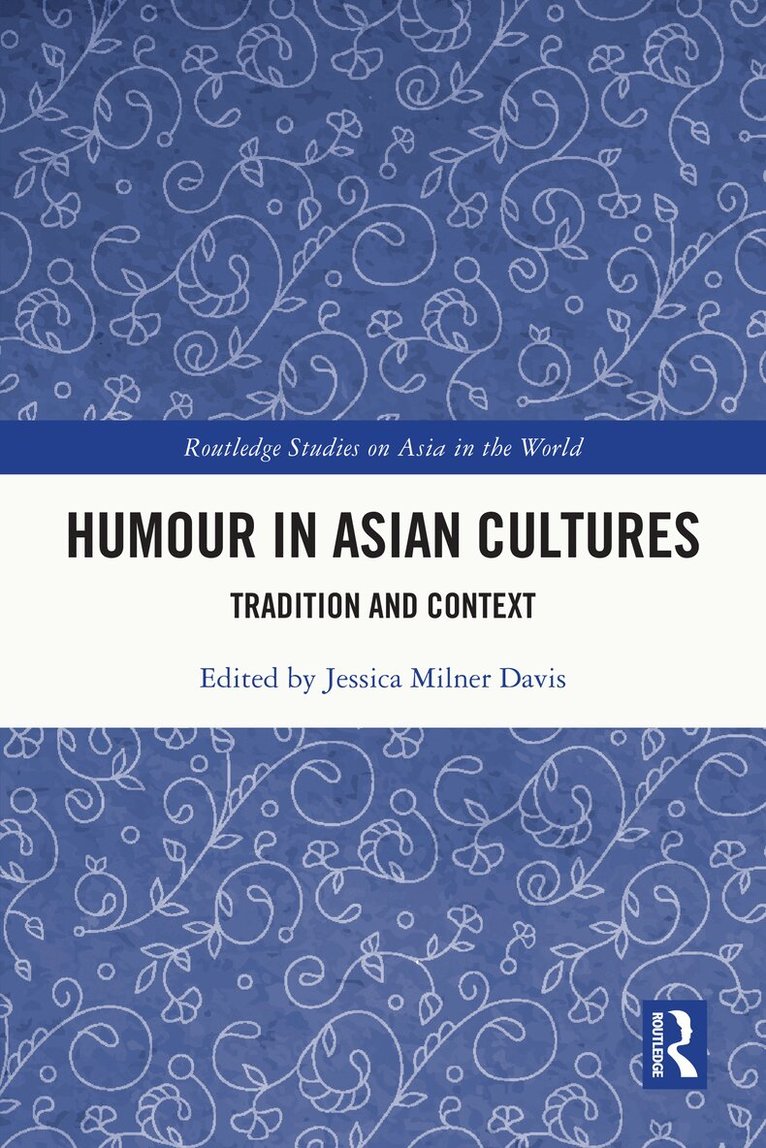
Humour in Asian Cultures
2744 kr
Beställningsvara. Skickas inom 10-15 vardagar. Fri frakt över 249 kr.
Beskrivning
This innovative book traces the impact of tradition on modern humour across several Asian countries and their cultures. Using examples from Japan, Korea, Indonesia and Chinese cultures in Mainland China, Hong Kong and Taiwan, the contributors explore the different cultural rules for creating and sharing humour.Humour can be a powerful lubricant when correctly interpreted; mis-interpreted, it is likely to cause considerable setbacks. Over time, it has emerged and submerged in different periods and different forms in all these countries but today’s conventions still reflect traditional attitudes to and assumptions about what is appropriate in creating and using humour. Under close examination, Milner Davis and her colleagues show how forms and conventions that differ from those in the west can also be seen to possess elements in common. With examples including Mencian and other classical texts, Balinese traditional verbal humour, Korean and Taiwanese workplace humour, Japanese laughter ceremonies, performances and cartoons, as well as contemporary Chinese-language films and videos, they engage with a wide range of forms and traditions.This fascinating collection of studies will be of great interest to students and scholars of many Asian cultures, and also to those with a broader interest in humour studies. It highlights the increasing importance of understanding a wider range of cultural values in the present era of globalized communication and the importance of reliable studies of why and how cultures that are geographically related differ in their traditional uses of and assumptions about humour.
Produktinformation
- Utgivningsdatum: 2022-06-30
- Mått: 156 x 234 x 21 mm
- Vikt: 780 g
- Format: Inbunden
- Språk: Engelska
- Serie: Routledge Studies on Asia in the World
- Antal sidor: 336
- Förlag: Taylor & Francis Ltd
- ISBN: 9781032009162
Utforska kategorier
Betyg & recensioner
0 recensioner
Inga recensioner tillgängliga.