Inbunden, Engelska, 2026
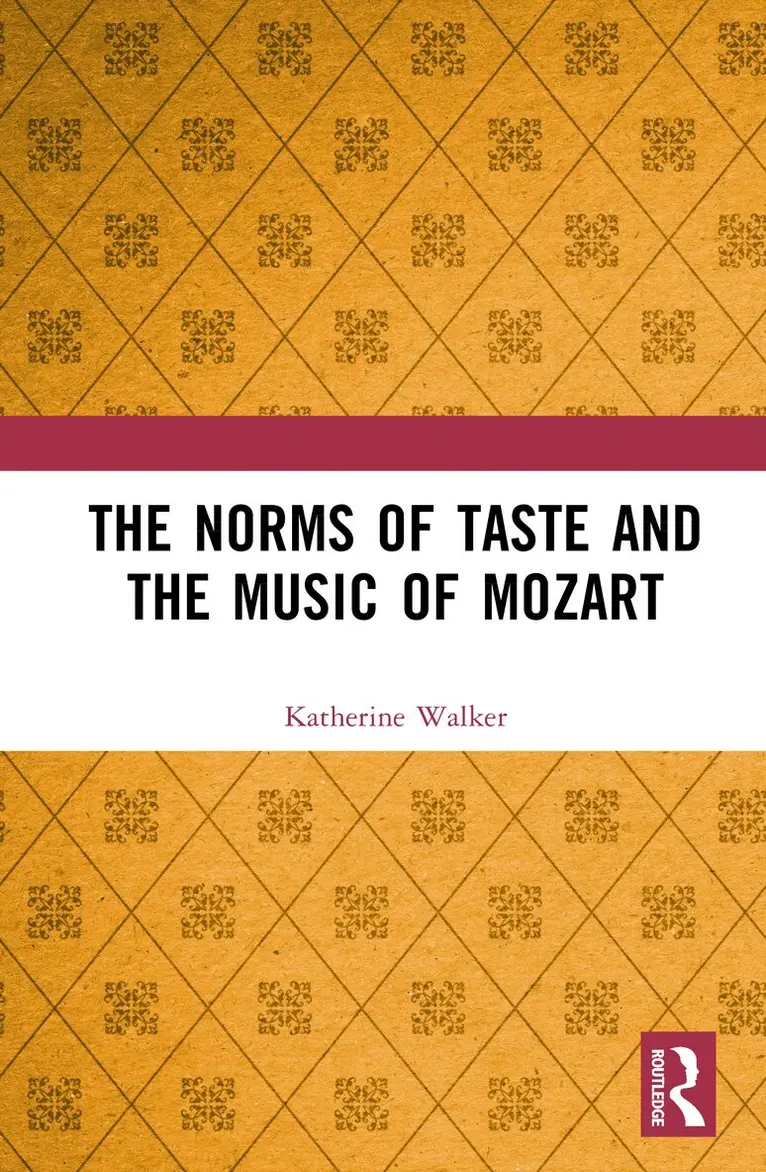
Norms of Taste and the Music of Mozart
2526 kr
Beställningsvara. Skickas inom 10-15 vardagar. Fri frakt över 249 kr.
Beskrivning
The Norms of Taste and the Music of Mozart uncovers what contemporaries meant when they praised composers like Mozart for their “good taste” and, in the process,illustrates how judgments of taste were intertwined with developments in the social, cultural, and political arenas.Taking as its starting point Haydn’s purported reference to Mozart’s Geschmack und Compositionswissenschaft, this book offers an in-depth analysis of the shiftingconnotations of taste in eighteenth-century European music. It bridges a gap in music scholarship by offering new perspectives on how music, philosophy,literature, and politics intersected through the language of taste. The discourse of musical taste opened pathways from the individual to the collective and framedpressing debates about the sources and meanings of human flourishing. As the author argues, the century of taste denotes a period in which art and aesthetics werebound up with moral philosophy; when artistic, ethical, and social aspects of life merged and overlapped, bringing good taste and goodness into alignment.Offering insights into the history of music and aesthetics as well as the work of Mozart, this book presents a study filled with new perspectives for musicologistsand scholars of eighteenth-century culture.
Produktinformation
- Utgivningsdatum: 2026-10-19
- Mått: 156 x 234 x undefined mm
- Vikt: 460 g
- Format: Inbunden
- Språk: Engelska
- Antal sidor: 152
- Förlag: Taylor & Francis Ltd
- ISBN: 9781032974729
Utforska kategorier
Betyg & recensioner
0 recensioner
Inga recensioner tillgängliga.