Inbunden, Engelska, 2026
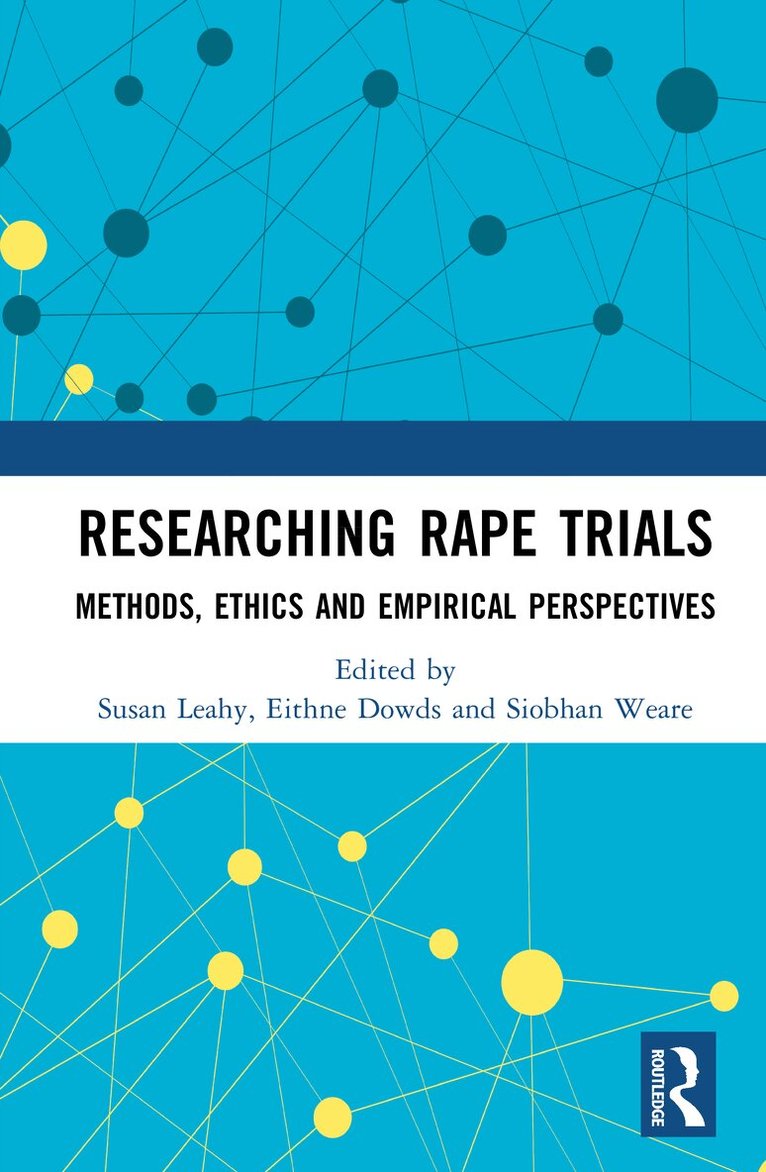
Researching Rape Trials
Av Susan Leahy, Eithne Dowds, Siobhan Weare
2317 kr
Beställningsvara. Skickas inom 10-15 vardagar. Fri frakt över 249 kr.
Beskrivning
Rape trials are inherently complex, often operating differently from other criminal trials. These trials are also complicated by the impact of societal attitudes about sexual offences, often referred to as rape myths, which can influence jurors’ deliberations in rape trials. This book explores the variety of ways in which rape trials can be researched in order to determine how the laws in this area are applied in practice, and the extent to which attitudes and broader societal contexts can influence the trial process. Divided into three parts, Part I offers a guide on best practice in the various research methods which can be adopted to study rape trials. These include interviews with practitioners and victim-survivors; analysis of trial transcripts; trial observations; and jury research. Parts II and III provide a thematic overview of a variety of international case studies, demonstrating the rich insights which empirical research on rape trials can produce. All of the chapters are written by leading experts who have direct experience of conducting empirical research in this area. The book will be a valuable resource for a range of academics, practitioners, stakeholders and policy-makers researching and working in the area of sexual violence.
Produktinformation
- Utgivningsdatum: 2026-08-18
- Mått: 156 x 234 x 16 mm
- Vikt: 650 g
- Format: Inbunden
- Språk: Engelska
- Antal sidor: 256
- Förlag: Taylor & Francis Ltd
- ISBN: 9781041010784
Utforska kategorier
Betyg & recensioner
0 recensioner
Inga recensioner tillgängliga.