Inbunden, Engelska, 2026
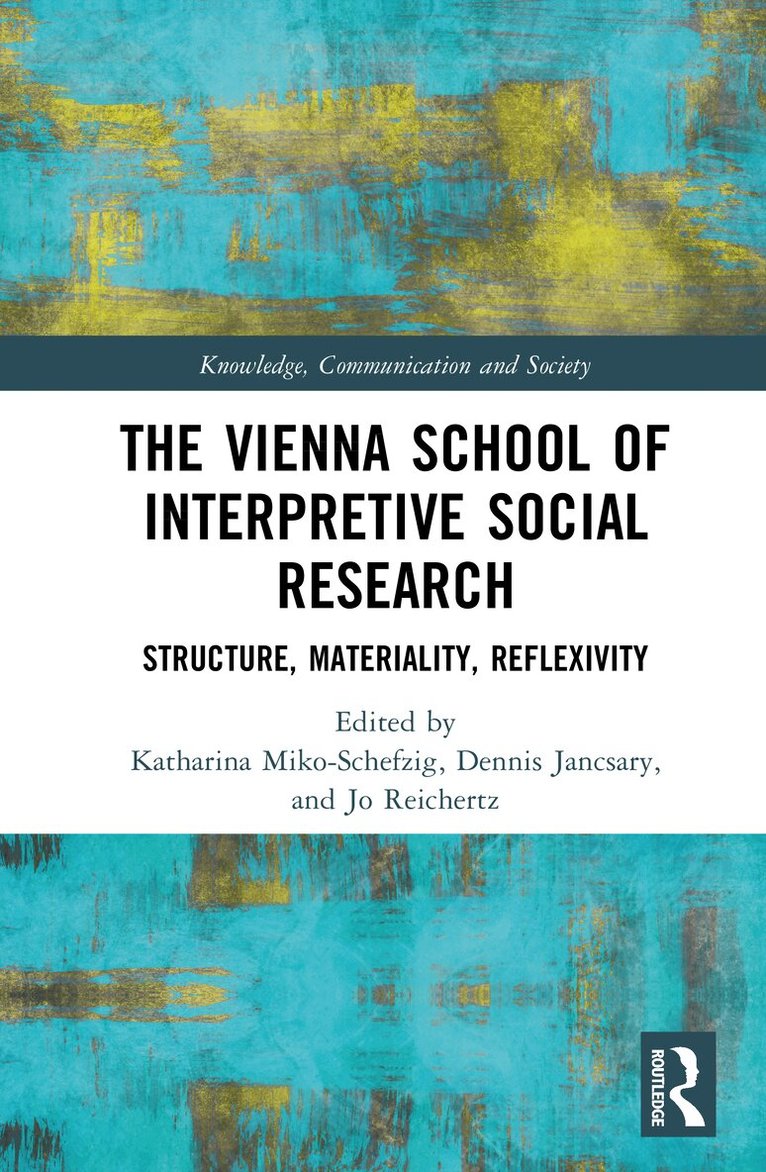
Vienna School of Interpretive Social Research
Av Katharina Miko-Schefzig, Dennis C. Jancsary, Jo Reichertz
2474 kr
Kommande
Beskrivning
This volume provides a sustained study and review of a distinct school of thought in Vienna which has long shaped a specific form of interpretive social research, setting it apart from other approaches.Labelled the 'Vienna School of Interpretive Social Research' in 2020, this book explores the movement’s key characteristics, which are anchored in structure, materiality, and reflexivity. It examines how these elements form an integrated yet permeable body of knowledge and situates this approach in relation to other interpretive traditions. The contributors demonstrate how the Vienna School occupies a unique space on the map of qualitative methodologies and methods, both in terms of epistemological stance and local environment of thinking, with one of its defining characteristics being that it dissolved some of the established fault lines throughout European and Anglo-American discourses. In this spirit, the school fosters permeable boundaries to other approaches and communities conducive to enriching understandings of the social world without giving up or diluting its own distinct approach.As such, this volume presents an integrative contribution to ongoing debates that transparently addresses and discusses contradictions and opportunities for conversation across qualitative approaches in postmodern, critical, and symbolic interactionist traditions, offering generative ways forward. It will therefore appeal to scholars of sociology with an interest in the sociology of knowledge, communication, and social theory.
Produktinformation
- Utgivningsdatum: 2026-11-19
- Mått: 156 x 234 x undefined mm
- Format: Inbunden
- Språk: Engelska
- Serie: Knowledge, Communication and Society
- Antal sidor: 330
- Förlag: Taylor & Francis Ltd
- ISBN: 9781041022657
Utforska kategorier
Betyg & recensioner
0 recensioner
Inga recensioner tillgängliga.