Inbunden, Engelska, 2026
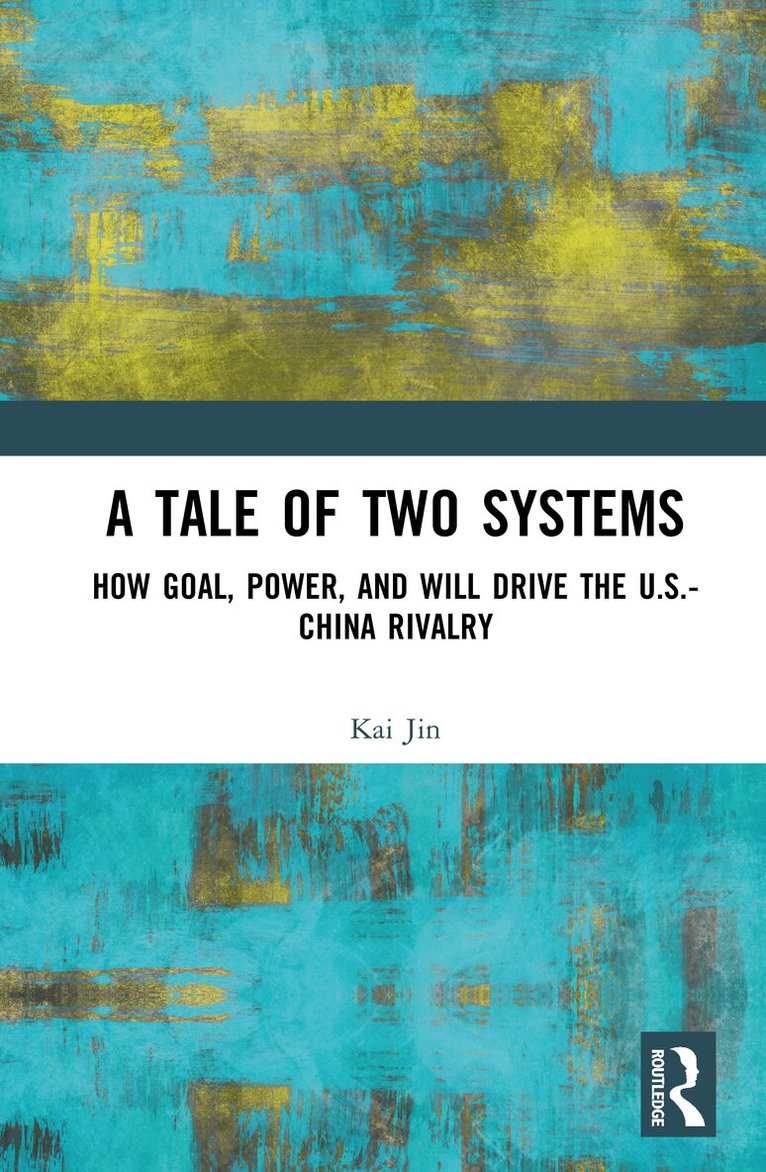
Tale of Two Systems
Av Kai Jin
2504 kr
Beställningsvara. Skickas inom 10-15 vardagar. Fri frakt över 249 kr.
Beskrivning
Combining neoclassical realism and political psychology, this book conducts a Cost Dynamics analysis of the goal, power, and will of the United States and China. It argues that while the strategic competition between the two countries is intense, it sustains a fragile balance of competition without outright conflict.Addressing both opportunity and audience costs, the book explores how domestic variables such as strategic culture and leadership cognition influence the formulation and implementation of foreign policy. Case studies demonstrate that the complex differences in goal, power, and will result in persistent strategic and policy misalignments while simultaneously creating mutual constraints that prevent escalation to full-scale conflict. In the field of artificial intelligence, the book introduces “technological power” as a “fluid” variable to analyze the flow of technology and structural complementarity. It concludes that building a “resilient” U.S.-China relationship does not require eliminating competition or concealing differences but rather managing risks by recognizing each other’s strategic bottom lines and political constraints.This book will appeal to scholars and students of political science, international relations, and U.S.-China relations.
Produktinformation
- Utgivningsdatum: 2026-10-27
- Mått: 156 x 234 x undefined mm
- Vikt: 490 g
- Format: Inbunden
- Språk: Engelska
- Antal sidor: 166
- Förlag: Taylor & Francis Ltd
- ISBN: 9781041322825
Utforska kategorier
Betyg & recensioner
0 recensioner
Inga recensioner tillgängliga.