Inbunden, Engelska, 2026
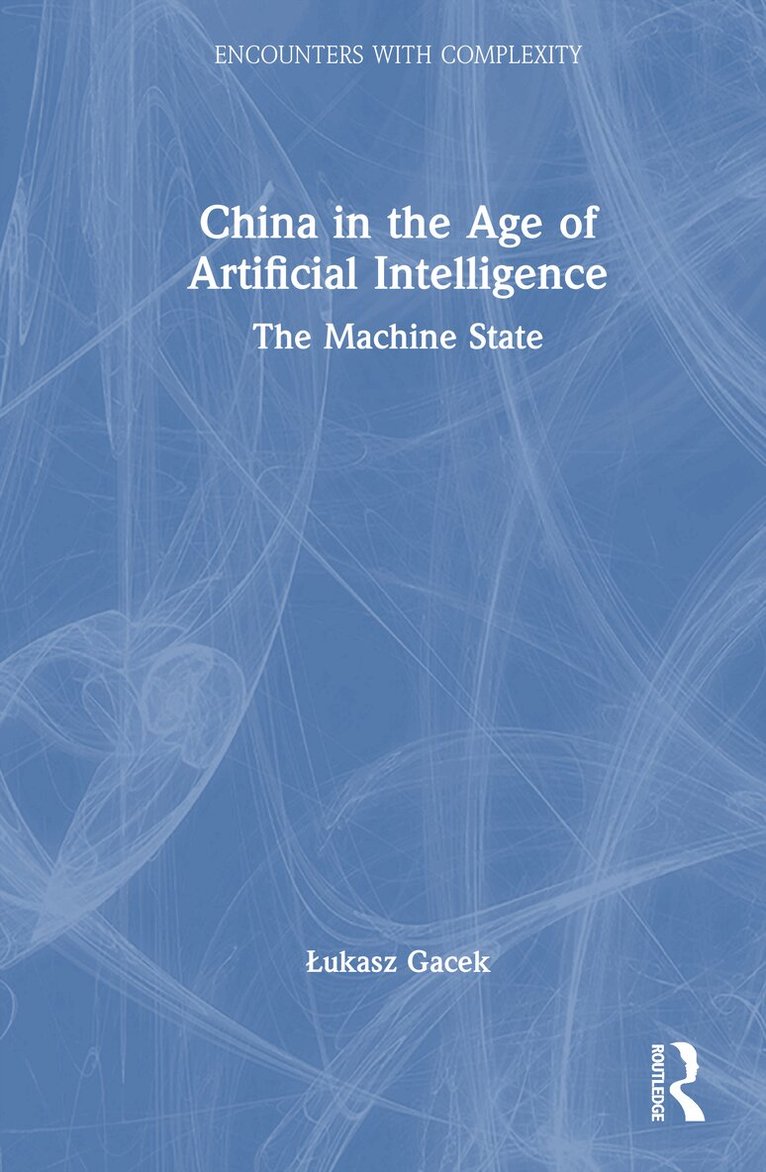
China in the Age of Artificial Intelligence
Av Łukasz Gacek
2513 kr
Beställningsvara. Skickas inom 10-15 vardagar. Fri frakt över 249 kr.
Beskrivning
China in the Age of Artificial Intelligence: The Machine State examines AI in China not simply as a technological development, but as part of a longer reflection on order, authority, and the role of technique in social life. Rather than treating AI as a neutral sector of innovation, the book situates it within cultural and political traditions that shape how technology is understood, regulated, and integrated into state projects.Drawing on classical Chinese texts alongside contemporary policy documents and legal frameworks, the study shows how AI has been embedded in a model of modernization grounded in planning, coordination, and infrastructural scale. Data, computing power, and standards emerge as elements of state capacity rather than merely technical assets. The book also addresses tensions within this approach – between control and creativity, scale, and flexibility – and considers China’s efforts to shape global debates on AI governance, particularly through engagement with the United Nations and the Global South.Introducing the concept of the “machine state,” the book offers a framework for understanding how governance increasingly operates through technical systems. It will interest scholars as well as policymakers and business actors seeking to interpret China’s technological strategy and its implications for global technology governance.
Produktinformation
- Utgivningsdatum: 2026-08-31
- Mått: 156 x 234 x 18 mm
- Vikt: 690 g
- Format: Inbunden
- Språk: Engelska
- Serie: Encounters with Complexity
- Antal sidor: 272
- Förlag: Taylor & Francis Ltd
- ISBN: 9781041332701
Utforska kategorier
Betyg & recensioner
0 recensioner
Inga recensioner tillgängliga.