Inbunden, Engelska, 2026
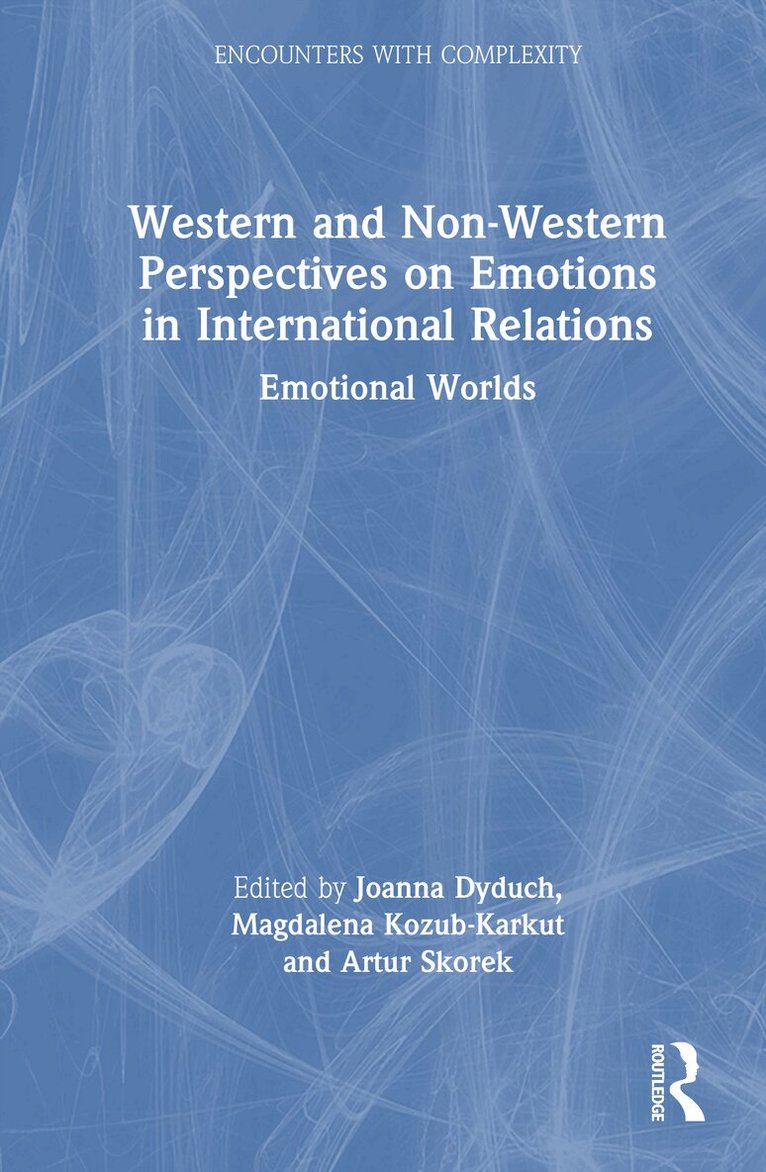
Western and Non-Western Perspectives on Emotions in International Relations
Av Joanna Dyduch, Magdalena Kozub-Karkut, Artur Skorek
2439 kr
Beställningsvara. Skickas inom 10-15 vardagar. Fri frakt över 249 kr.
Beskrivning
This book investigates emotions within International Relations (IR), focusing on their role in shaping political actions and global interactions. For decades, IR theorists and politicians emphasized rational decision-making. However, recent scholarship has sparked a wave of interest in emotions, uncovering their significant influence. Collecting cutting-edge research that situates the emotional turn within the broader idea of Global IR, international contributors consider Western and non-Western emotional norms to reveal how cultural diversity permeates emotional expression and its role in politics. With case studies exploring emotions in contexts such as the China-Taiwan conflict, Western states' policy toward Israel, Polish foreign policy, the Korean War, the African Union responses, role of pain in the Middle Eastern context, and anti-liberal contestations in Latin America, this book is primarily aimed at scholars and advanced students in International Relations, Political Science, and Global and Area Studies.
Produktinformation
- Utgivningsdatum: 2026-06-09
- Mått: 156 x 234 x 18 mm
- Vikt: 590 g
- Format: Inbunden
- Språk: Engelska
- Serie: Encounters with Complexity
- Antal sidor: 268
- Förlag: Taylor & Francis Ltd
- ISBN: 9781041218746
Utforska kategorier
Betyg & recensioner
0 recensioner
Inga recensioner tillgängliga.