Häftad, Engelska, 2015
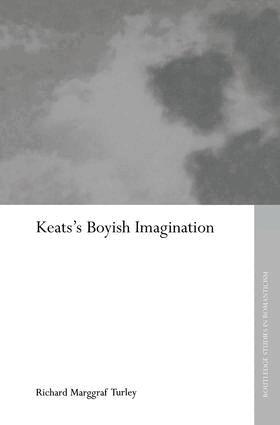
Keats's Boyish Imagination
1001 kr
Skickas inom 10-15 vardagar
Beskrivning
For many readers, John Keats's achievement is to have attainted a supreme poetic maturity at so young an age. Canonical poems of resignation and acceptance such as 'To Autumn' are traditionally seen as examples par excellence of this maturity. In this highly innovative study, however, Marggraf Turley examines how, for Keats, an insistence on 'boyishness' in the midst of apparent mature imagery is the very essence of his political contestation of the literary establishment.
Produktinformation
- Utgivningsdatum: 2015-05-08
- Mått: 156 x 234 x undefined mm
- Vikt: 272 g
- Format: Häftad
- Språk: Engelska
- Antal sidor: 176
- Förlag: Taylor & Francis Ltd
- Serie: Routledge Studies in Romanticism
- ISBN: 9781138008632
Utforska kategorier
Betyg & recensioner
0 recensioner
Inga recensioner tillgängliga.