Häftad, Engelska, 2013
Trade Policy of Emerging Powers
550 kr
Beställningsvara. Skickas inom 10-15 vardagar. Fri frakt över 249 kr.
Beskrivning
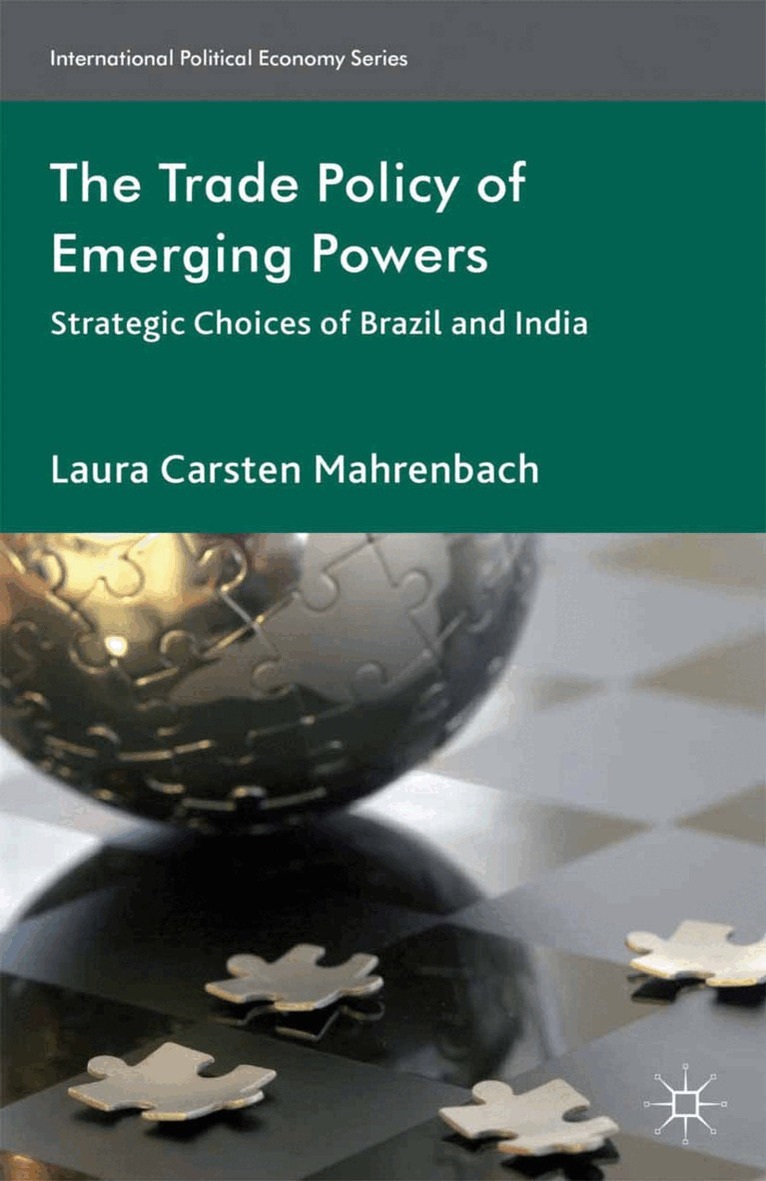
As emerging powers deepen their involvement in world trade and global governance, it is crucial to explore the what and the why of their strategic choices vis-a-vis the World Trade Organization. This book does just that, examining the trade policy decisions of two emerging power states, Brazil and India, since 2001. In this timely work, Laura Carsten Mahrenbach develops a broad-based analytical framework which addresses trade policy within EP states, in their regions and on the global level. The findings underline the importance of examining domestic factors when trying to understand strategic decisions by emerging powers. They also have important implications for our understanding of the role of emerging power states in global (trade) governance.
Produktinformation
- Utgivningsdatum: 2013-01-01
- Mått: 140 x 216 x 25 mm
- Vikt: 340 g
- Format: Häftad
- Språk: Engelska
- Serie: International Political Economy Series
- Antal sidor: 245
- Upplaga: 13001
- Förlag: Palgrave Macmillan
- ISBN: 9781349454280
Utforska kategorier
Betyg & recensioner
0 recensioner
Inga recensioner tillgängliga.