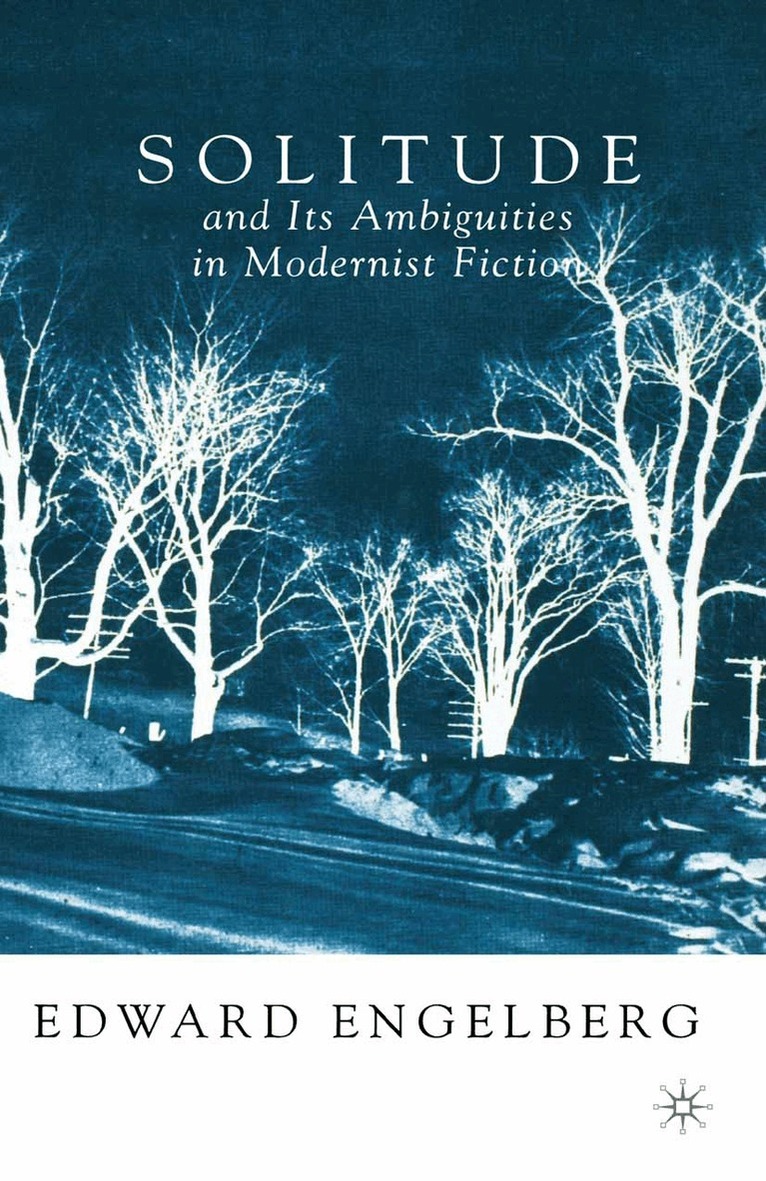
Häftad, Engelska, 2001
Solitude and its Ambiguities in Modernist Fiction
Av E. Engelberg
635 kr
Beställningsvara. Skickas inom 10-15 vardagar. Fri frakt över 249 kr.
Beskrivning
In this study of solitude in high modernist writing, Edward Engelberg explores the ways in which solitude functions thematically to shape meaning in literary works, as well as what solitude as a condition has contributed to the making of a trope. Selected novels are analyzed for the ambiguities that solitude injects into their meanings. The freedom of solitude also becomes a burden from which the protagonists seek liberation. Although such ambiguities about solitude exist from the Bible and the Ancients through the centuries following, they change within the context of time. The story of solitude in the twentieth century moves from the self's removal from society and retreat into nature to an extra-social position within which the self confronts itself. A chapter is devoted to the synoptic analysis of solitude in the West, with emphasis on the Renaissance to the twentieth century, and another chapter analyzes the ambiguities that set the stage for modernism: Defoe's Robinson Crusoe. Selected works by Woolf, Mann, Camus, Sartre, and Beckett highlight particular modernist issues of solitude and how their authors sought to resolve them.
Produktinformation
- Utgivningsdatum: 2001-08-08
- Mått: 140 x 216 x 13 mm
- Vikt: 303 g
- Format: Häftad
- Språk: Engelska
- Antal sidor: 223
- Förlag: Palgrave Macmillan
- ISBN: 9781349632602
Utforska kategorier
Betyg & recensioner
0 recensioner
Inga recensioner tillgängliga.