Inbunden, Engelska, 2026
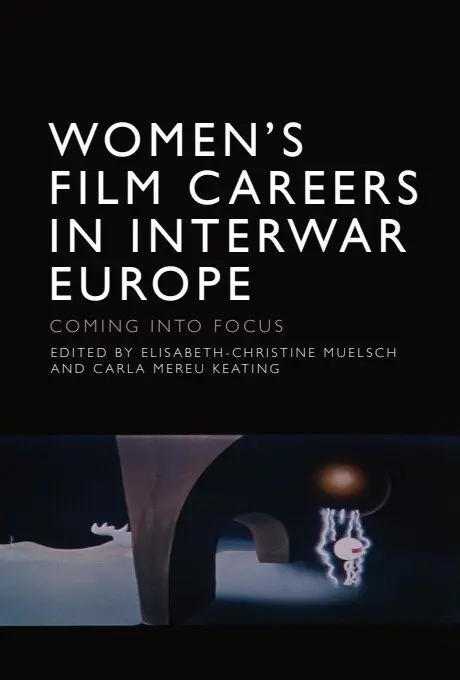
Women’s Film Careers in Interwar Europe
Av Elisabeth-Christine Muelsch, Carla Mereu Keating
1240 kr
Kommande
Beskrivning
The years between the First and the Second World War were tumultuous ones in European cinema. Filmmakers in Western Europe faced not only aesthetic and technological transformations but also economic and political cataclysms that were pronounced by the late 1920s, intensifying in the 1930s. This era of challenges had a profound effect on pioneering women filmmakers, not only well-known directors like Germaine Dulac, Leni Riefenstahl, Elvira Notari and Adrienne Solser, but also on the many female film directors who have been forgotten, who never came to the fore or who were pushed into other areas of film production.The present essays shed light on this understudied albeit important area, illustrating the impact technological transformation and rising fascism had on these women working in the European film industries.Concurrently, this book also illustrates the mentoring and networking strategies these women developed to help each other succeed in the industry and to strengthen women’s autonomy on and off screen.
Produktinformation
- Utgivningsdatum: 2026-12-31
- Mått: 156 x 234 x undefined mm
- Format: Inbunden
- Språk: Engelska
- Antal sidor: 272
- Förlag: Edinburgh University Press
- ISBN: 9781399562362
Utforska kategorier
Betyg & recensioner
0 recensioner
Inga recensioner tillgängliga.