• Fri frakt över 249 kr
  • •
  • Snabba leveranser
  • •
  • Billiga böcker
Kundservice

Du är på sajten för privatpersoner.

Företag, bibliotek eller offentlig verksamhet?

Du handlar på classic.bokus.com, där alla dina funktioner finns intakta.
Till classic.bokus.com
Bokus logotyp. Gå till startsidan.
  • Erbjudanden
  • Student
  • Topplistor
  • Barn & ungdom
  • Bokus Play
  • E-böcker
  • Ljudböcker
  • Pocketböcker
  • Spel och pussel

5% studentrabatt – använd koden KURSBOK27 →

Sidfot

Mina sidor

    Hjälp

    • Kundservice
    • Vanliga frågor och svar
    • Frakt och leverans
    • Retur vid ångerrätt
    • Reklamera vara
    • Betalning
    • Köpvillkor
    • Allmänna villkor
    • Information om webbplatsens tillgänglighet

    Om Bokus

    • Om oss
    • Pressrum
    • För studenter
    • För företag
    • För bibliotek och offentlig verksamhet
    • För leverantörer
    • Hållbarhet

    Populärt

    • Aktuella erbjudanden
    • Presentkort
    • Studentlitteratur
    • Nya böcker
    • Topplistor
    • Signerade böcker
    • Engelska böcker

    Inspiration

    • Boktips
    • BookTok
    • Barnbokskaraktärer
    • Populära författare
    Logotyp för Bokus
    Följ oss på Facebook (extern länk)Följ oss på Instagram (extern länk)Följ oss på YouTube (extern länk)Följ oss på TikTok (extern länk)
    bokus @ CookiesAnpassa cookiesIntegritetspolicyKöpvillkor
    Till Citymail hemsida (extern länk)Till Budbee hemsida (extern länk)Till Postnord hemsida (extern länk)Till Schenker hemsida (extern länk)Till Early Bird hemsida (extern länk)Till Walleys hemsida (extern länk)
    1. Psykologi och pedagogik
    2. Pedagogik
    3. Utbildningsstrategier och utbildningspolitik
    4. Studievägledning och elevhälsa

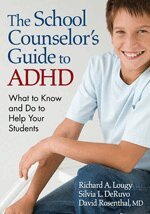
    School Counselor’s Guide to ADHD

    What to Know and Do to Help Your Students

    AvRichard A. Lougy,Silvia L. Deruvo

    Inbunden, Engelska, 2009

    1 209 kr

    Beställningsvara. Skickas inom 3-6 vardagar. Fri frakt över 249 kr.

    Fler format och utgåvor

    Häftad

    592 kr

    Beskrivning

    "This book should be on every school counselor′s desk. One would need to have read dozens of books every year for the past 10 years to have even minimal access to the information and wisdom imparted here."—Gloria Avolio DePaul, School CounselorHillsborough County School District, Tampa, FLGet the latest facts, research, and best practices to help students with ADHD succeed!To help establish an optimal learning environment and support students with ADHD and their families, educators need up-to-date knowledge, in-depth advice, and practical tools that can be immediately and easily implemented.The School Counselor′s Guide to ADHD covers not only principal causes, symptoms, and interventions for ADHD, but also current, detailed information on executive brain function. This comprehensive resource includes a wide range of inclusive practices that help define the multiple roles and responsibilities of school counselors, such as:Providing effective student interventions to ensure individual successCollaborating with teachers to deliver instruction, manage behavior, and facilitate classroom accommodationsCommunicating with parents about student progress and challengesUnderstanding common ADHD medications and their effects on childrenStrengthen your work with students and key stakeholders with this resource and ensure that students with ADHD have the support they need to thrive.

    Produktinformation

    • Utgivningsdatum:2009-07-28
    • Mått:177 x 254 x 15 mm
    • Vikt:540 g
    • Format:Inbunden
    • Språk:Engelska
    • Antal sidor:184
    • Förlag:SAGE Publications Inc
    • ISBN:9781412966528

    Utforska kategorier

    • Studievägledning och elevhälsa inom Psykologi och pedagogik
    • Specialundervisning inom Psykologi och pedagogik

    Mer om författaren

    Richard A. Lougy has been living and working for the last 30 years in Sacramento, California, where he began his career as a middle school teacher. During that time, he also served as an elementary school counselor and later as a school psychologist. Before retiring in 2007, he oversaw mental health services for Head Start and Early Head Start programs in a large metropolitan school district in Northern California. He currently runs a private practice specializing in ADHD and related disorders, as well as being a mental health consultant for Early Head Start programs and Before and After School Care Programs for a large school district. Lougy has treated and worked with thousands of children with ADHD and their families throughout his career. In addition to coauthoring two books on ADHD, ADHD: A Survival Guide for Parents and Teachers (Hope Press/2002) and Teaching Young Children With ADHD: Successful Strategies and Practical Interventions for PreK-3 (Corwin Press/2007), Lougy has also written numerous articles on ADHD and regularly presents at state and national conferences. Silvia L. DeRuvo is a special education resources development specialist with WestEd, a nonprofit agency that works with schools, districts, state agencies, and national policy makers in the areas of educational research, products, and programs. Her work focuses primarily on working with schools and teachers on effective research-based instructional practices that support the needs of students with disabilities within core content integrated classrooms. Prior to her work at WestEd, DeRuvo has been an elementary special educator for nearly 20 years, and a teacher trainer at California State University, Sacramento. Her experience in the classroom, as well as in state special education leadership, has given her vast experience in the area of special education practices and effective inclusion practices that support the needs of students with ADHD and other learning disabilities. She is a national speaker for the Bureau of Education and Research on Response to Intervention implementation practices and is a coauthor of Teaching Young Children With ADHD: Successful Strategies and Practical Interventions for PreK-3, a book on classroom strategies for students with Attention Deficit Hyperactivity Disorder (ADHD) published in 2007 by Corwin Press. She is currently authoring a book on instructional strategies to support secondary students with ADHD that will be published in 2009. DeRuvo received an MA in communicative disorders, and holds credentials in Multiple Subjects, Special Education Specialist Communications Handicapped, and Resource Specialist certification from California State University, Fresno. David Rosenthal, MD, is an adult, adolescent, and child psychiatrist in private practice in Boulder, Colorado. He is an adjunct professor in the Graduate School of Social Work at the University of Denver, where he teaches courses on psychopharmacology. Rosenthal practiced psychiatry in various settings in California for many years and treated thousands of patients with ADHD, anxiety, and mood disorders before coauthoring two books on ADHD: ADHD: A Survival Guide for Parents and Teachers (Hope Press/2007) and Teaching Young Children With ADHD: Successful Strategies and Practical Interventions for PreK-3 (Corwin Press/2007). He also has written articles on ADHD and regularly speaks at state and national conferences on ADHD. Rosenthal earned his medical degree at the University of Iowa School of Medicine in 1986, and completed his residency in adult psychiatry and fellowship training in child and adolescent psychiatry at the University of California, Davis, Medical Center.

    Recensioner i media

    “This is a text school counselors have been waiting for! It provides a strong review of the manifestations of ADHD and concrete examples of ways to strengthen our work with students and stakeholders impacted by ADHD. I will recommend it to my school counseling students.”

    Innehållsförteckning

    • PrefaceAcknowledgmentsAbout the Authors1. What Is Attention-Deficit/Hyperactivity Disorder (ADHD)?Is ADHD a Mythical Disorder?Theory Versus Scientific FactADHD Is a Complex Set of BehaviorsDiagnostic CriteriaManifestations of ADHDPrevalence of ADHDWhat Causes ADHD?Primary Symptoms and Common ImpairmentsPredominantly Inattentive Type of ADHDSummary2. The Role of Executive FunctionWhy Spend So Much Time on Executive Function?What Is Executive Function?Role of Executive Function as Related to ADHDSnapshot Overview of Executive Function ProcessesDeficit in Behavioral Inhibition: Russell BarkleyComponents of Executive FunctionExecutive Functions Work Together in Various Combinations: Thomas BrownSummary3. Treating Children With ADHD FairlyFair and Equal Are Not the SameThe School Counselor′s RoleThe School Counselor′s Role as a ConsultantThe School Counselor′s Role in Helping Teachers Better UnderstandExplaining Risk Factors on School PerformanceEncountering Teachers Who Seem Very Resistant to AccommodationsThe School Counselor′s Role in Helping Parents Better UnderstandThe School Counselor′s Role in Helping Parents Talk to Their Child About ADHDThe Parent-Child Relationship With Regard to the SchoolThe Empathetic EducatorThe Hidden Disability Does Not Keep the Child From SucceedingRoad Map for Assuring FairnessSummary4. Classroom Strategies: A Recipe for Student Success by Silvia L. DeRuvoThe School Counselor′s Role in Inciting ChangeRecognizing the Academic ChallengesRelated Academic Performance Areas Challenging for Children With ADHDRecognizing Learning StylesMultimodality Teaching StrategiesTime Management and Organizational SkillsSummary5. Managing ADHD Behaviors in the School SettingLet′s BeginPositive Schoolwide InterventionPositive Individual InterventionsThe Teacher May Have to Make Some Changes TooSummary6. What Teachers Should Know About Medication by David Rosenthal, MDShould My Child Be on Medication?Common Medications to Treat ADHDChanges in Students on StimulantsDo Stimulants Cure ADHD? How Do These Medicines Work?How Long Does It Take for the Medication to Work?Signs of Being OvermedicatedIf the Medicine Works, Does That Confirm That the Diagnosis of ADHD Is Correct?Side Effects From StimulantsInformation That Should Be Communicated to the DoctorCan Stimulants Cause Problems With Growth?Are Stimulants Addictive?Can Stimulants Lead to Problems With Abuse of Other Drugs?Are There Particular Children Who Would Be Expected to Do Poorly on Stimulants?Are There Children Who Only need to Be on Medication at School?Drug Interactions With Stimulant MedicationCan Children Become Psychotic on Stimulants?Can Stimulants Be Used in Children Under Age Five?My Student Used to Do Well on Ritalin, but Now It Doesn′t Work. What Is Going On?Natural Remedies to Treat ADHDProzac as a Treatment for ADHDDo Medications Help Learning Disabilities?One of My Students is Very Defiant and Oppositional. Will Medications Help With This?Summary7. Communicating Effectively With ParentsParents: The Most Important ResourceRespect and Acknowledge the Challenges Parents FaceHelping Parents Distinguish Enabling From Supportive DecisionsRegular Communication Is CriticalAttending Teacher-Parent MeetingsSummaryResourcesResource A: Useful Web Sites for Parents and TeachersResource B: Recommended Books for TeachersResource C: Recommended Books for ParentsResource D: Recommended Books for ChildrenResource E: Childhood Disorders and Conditions That Can Mimic ADHDReferencesIndex