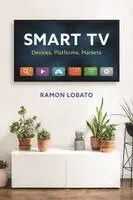
Inbunden, Engelska, 2027
Smart TV
Av Ramon Lobato
1114 kr
Kommande
Beskrivning
Charts the evolution of the TV from a broadcast-only receiver to the internet ageHow did the television set, once a simple broadcast receiver, become a connected, app-enabled platform? In Smart TV: Devices, Platforms, Markets, Ramon Lobato provides a definitive account of this transformation, charting the evolution of television hardware and software in the internet age. As the TV evolves from a "lean‑back" appliance to an algorithmically curated marketplace, Lobato traces the technologies, institutions, and cultural practices that have fundamentally reconfigured the medium.Using a critical media‑industries perspective, Lobato explains how the smart TV was conceived, designed, and marketed as a new kind of distribution technology. He shows how its software and platforms were engineered to nudge, monitor and quantify our viewing choices. This shift has reconfigured power relations among manufacturers, users, content providers, and platform operators, and has allowed consumer electronics giants like Samsung, LG and TCL to become powerful gatekeepers in television's new attention economy.Unpacking the business arrangements of the platform age, Smart TV explains how new advertising formats and data‑tracking practices have emerged in the wake of this digital transition. Weaving together trade sources, policy analysis, device testing and audience research, Lobato offers a multi‑perspectival analysis of a key device reshaping the global digital ecosystem. Essential reading for scholars and industry professionals, this book illuminates the convergent future of television.
Produktinformation
- Utgivningsdatum: 2027-01-05
- Mått: 152 x 229 x undefined mm
- Format: Inbunden
- Språk: Engelska
- Serie: Critical Cultural Communication
- Antal sidor: 240
- Förlag: New York University Press
- ISBN: 9781479835508
Utforska kategorier
Betyg & recensioner
0 recensioner
Inga recensioner tillgängliga.