Inbunden, Engelska, 2026
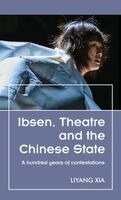
Ibsen, Theatre and the Chinese State
Av Liyang Xia
1411 kr
Skickas inom 5-8 vardagar
Beskrivning
Ibsen, Theatre and the Chinese State interrogates a hundred years of Chinese history from the founding of the Chinese Communist Party to the present day, refracted through representations of a Western playwright on the Chinese stage. No other Western writer has had the same consistent presence in Chinese political, cultural and ideological history as Henrik Ibsen. Yet there is inconsistency in the reception of his dramas in China. Throughout the last hundred years, contestations over the national imaginary of China have played out in the changing interpretations of Ibsen’s plays. An understanding of the complex appropriation of Ibsen’s dramas in Chinese theatre offers a litmus test of China’s changing attitude towards the West. This book examines how the State, the scholars and the artists have used Ibsen’s drama for different purposes such as nation building, women’s emancipation and theatre reform.
Produktinformation
- Utgivningsdatum: 2026-09-15
- Mått: 138 x 216 x 14 mm
- Vikt: 409 g
- Format: Inbunden
- Språk: Engelska
- Antal sidor: 224
- Förlag: Manchester University Press
- Serie: Theatre: Theory – Practice – Performance
- ISBN: 9781526170071
Utforska kategorier
Betyg & recensioner
0 recensioner
Inga recensioner tillgängliga.