
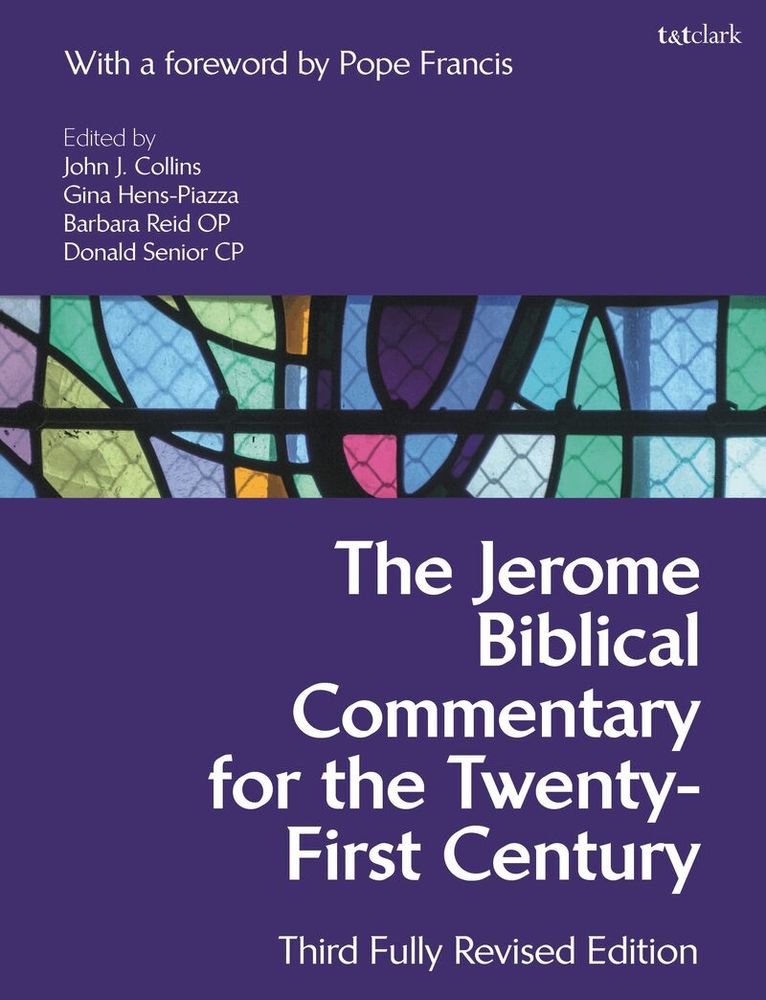
Jerome Biblical Commentary for the Twenty-First Century
John J. Collins, Gina Hens-Piazza, Barbara Reid OP, Donald Senior
Inbunden
1 131 kr
Del i serien T&T Clark
1 398 kr
Kommande
John J. Collins, Gina Hens-Piazza, Barbara Reid OP, Donald Senior
1 131 kr

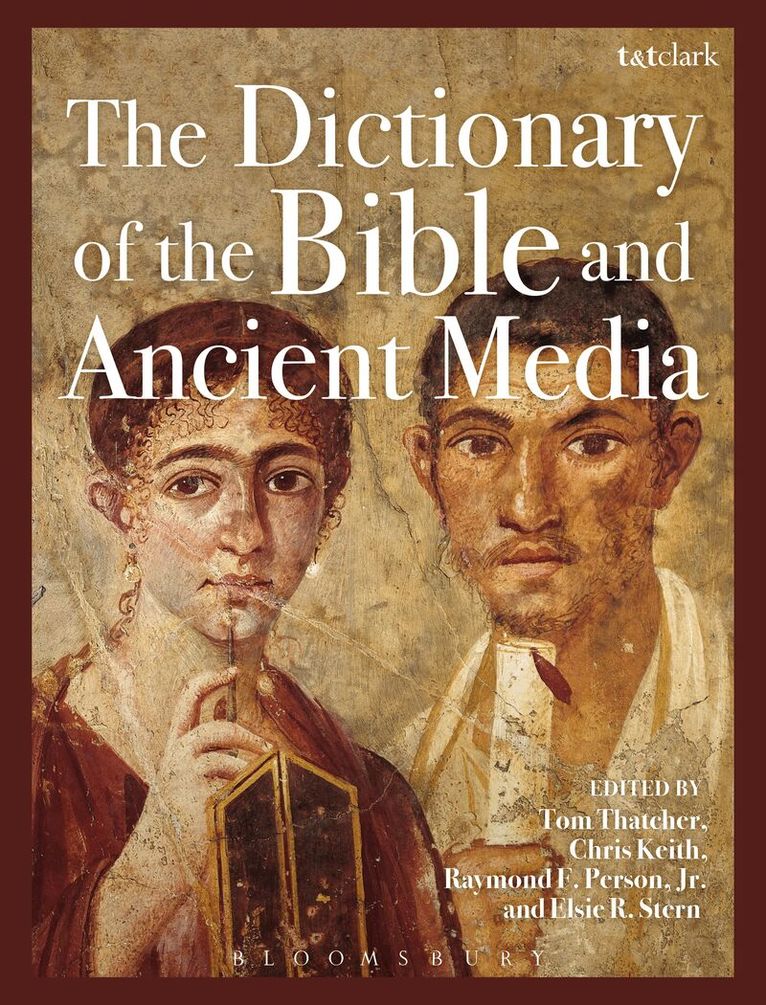
Tom Thatcher, Chris Keith, Raymond F. Person, Jr., Elsie R. Stern
470 kr
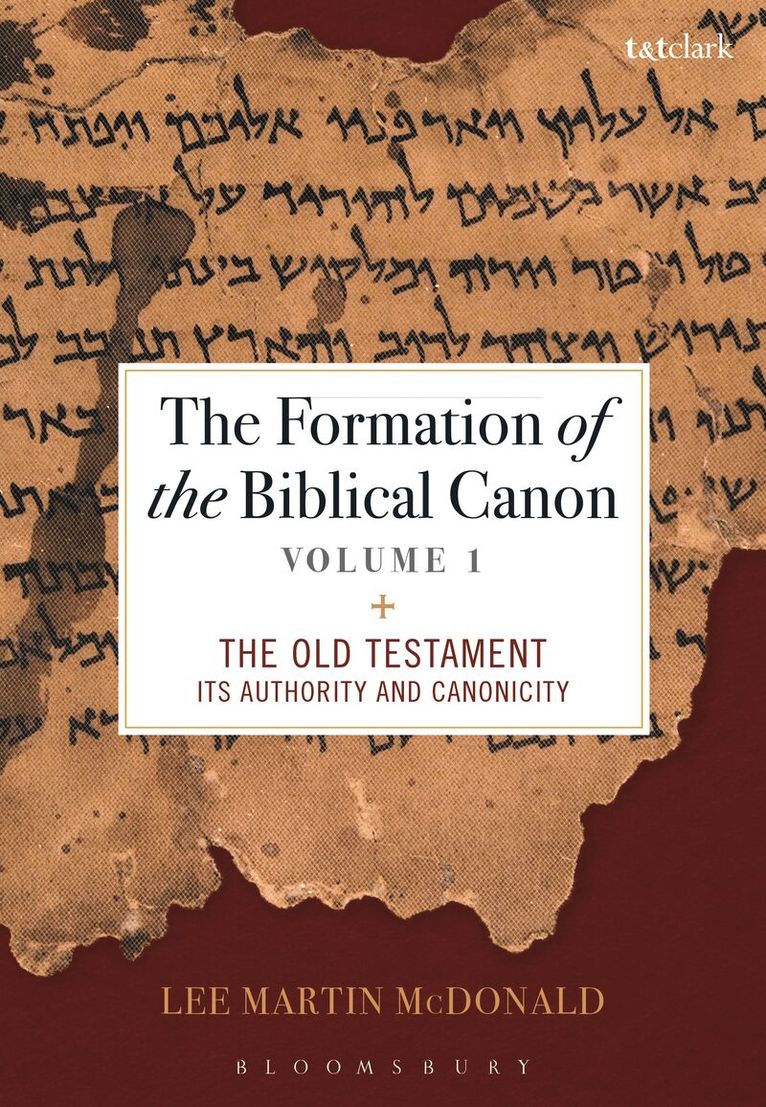
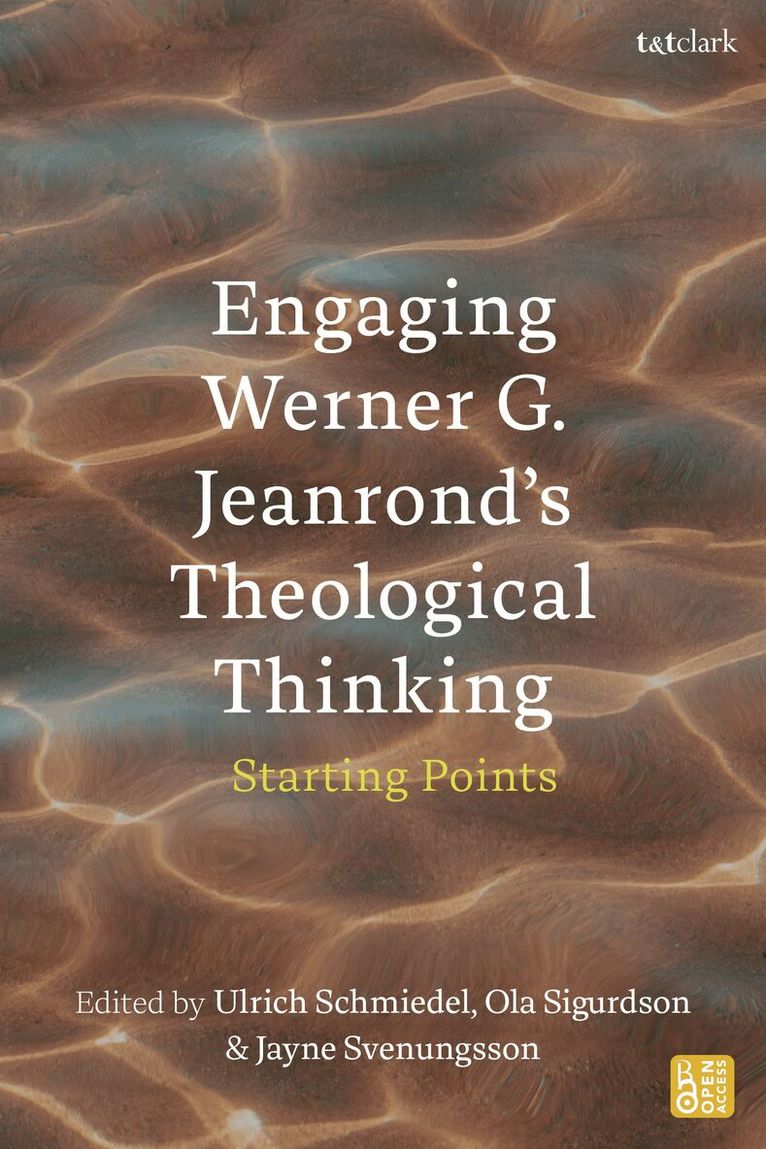
Ulrich Schmiedel, Ola Sigurdson, Jayne Svenungsson
1 281 kr
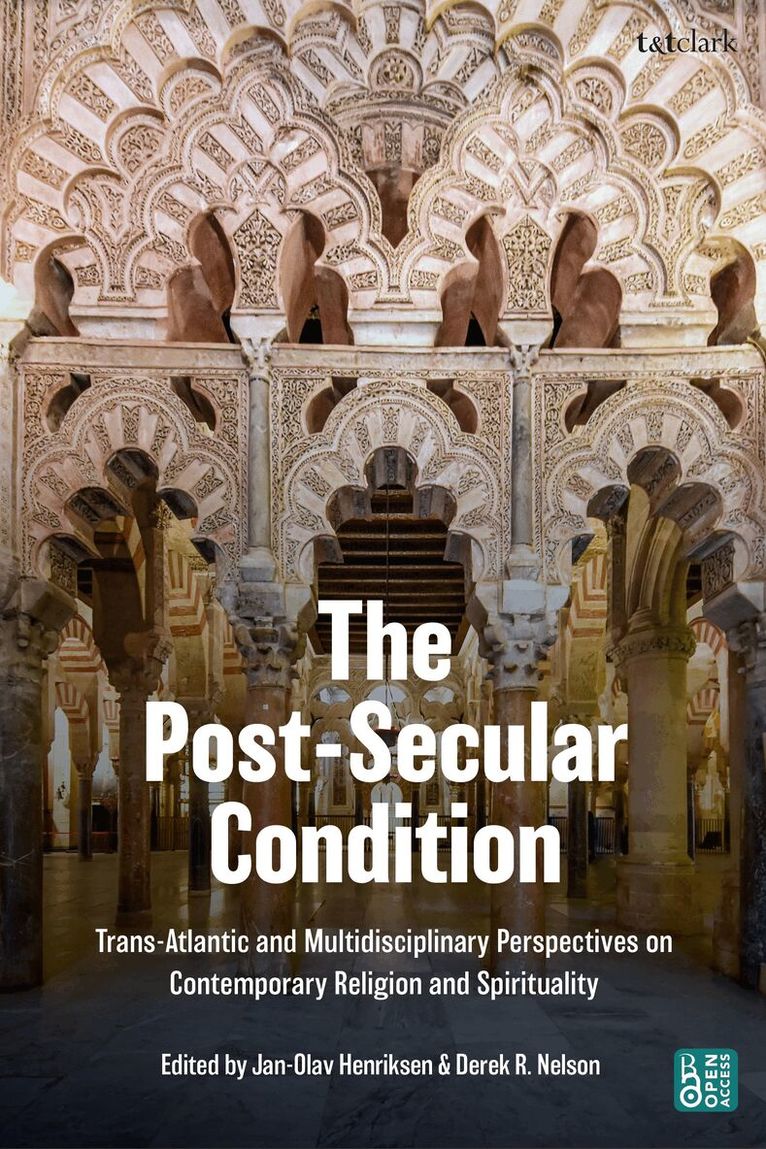


Ulrich Schmiedel, Ola Sigurdson, Jayne Svenungsson
1 281 kr
John J. Collins, Gina Hens-Piazza, Barbara Reid OP, Donald Senior
1 131 kr
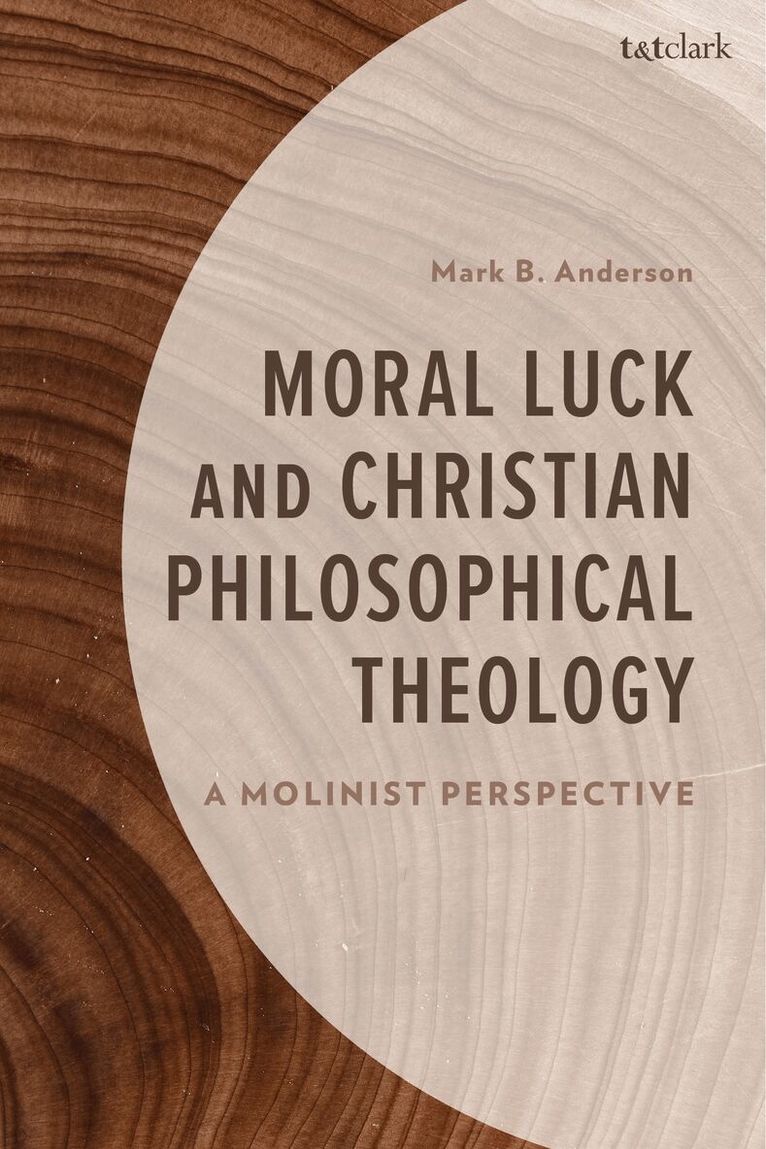
Tom Thatcher, Chris Keith, Raymond F. Person, Jr., Elsie R. Stern
470 kr