• Fri frakt över 249 kr
  • •
  • Snabba leveranser
  • •
  • Billiga böcker
Kundservice

Du är på sajten för privatpersoner.

Företag, bibliotek eller offentlig verksamhet?

Du handlar på classic.bokus.com, där alla dina funktioner finns intakta.
Till classic.bokus.com
Bokus logotyp. Gå till startsidan.
  • Erbjudanden
  • Student
  • Topplistor
  • Barn & ungdom
  • Bokus Play
  • E-böcker
  • Ljudböcker
  • Pocketböcker
  • Spel och pussel

Pocketfynda! Hundratals böcker för 49 kr/st →

Sidfot

Mina sidor

    Hjälp

    • Kundservice
    • Vanliga frågor och svar
    • Frakt och leverans
    • Retur vid ångerrätt
    • Reklamera vara
    • Betalning
    • Köpvillkor
    • Allmänna villkor
    • Information om webbplatsens tillgänglighet

    Om Bokus

    • Om oss
    • Pressrum
    • För studenter
    • För företag
    • För bibliotek och offentlig verksamhet
    • För leverantörer
    • Hållbarhet

    Populärt

    • Aktuella erbjudanden
    • Presentkort
    • Studentlitteratur
    • Nya böcker
    • Topplistor
    • Signerade böcker
    • Engelska böcker

    Inspiration

    • Boktips
    • BookTok
    • Barnbokskaraktärer
    • Populära författare
    Logotyp för Bokus
    Följ oss på Facebook (extern länk)Följ oss på Instagram (extern länk)Följ oss på YouTube (extern länk)Följ oss på TikTok (extern länk)
    bokus @ CookiesAnpassa cookiesIntegritetspolicyKöpvillkor
    Till Citymail hemsida (extern länk)Till Budbee hemsida (extern länk)Till Postnord hemsida (extern länk)Till Schenker hemsida (extern länk)Till Early Bird hemsida (extern länk)Till Walleys hemsida (extern länk)
    1. Samhälle och politik
    2. Sociologi och antropologi
    3. Antropologi

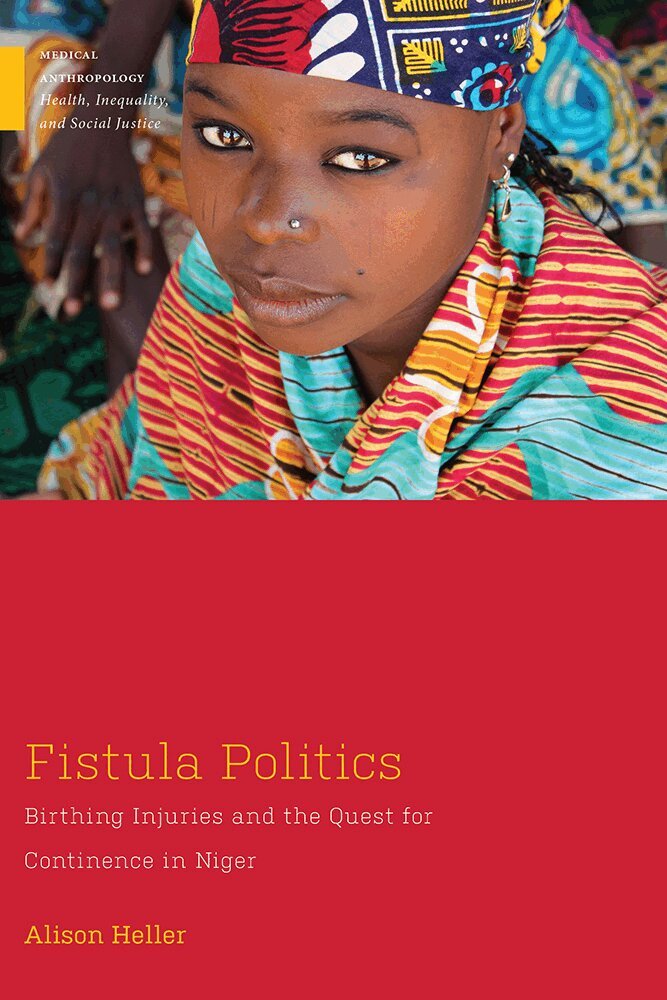
    Fistula Politics

    Birthing Injuries and the Quest for Continence in Niger

    AvAlison Heller

    Häftad, Engelska, 2018

    Del i serien Medical Anthropology

    470 kr

    Beställningsvara. Skickas inom 5-8 vardagar. Fri frakt över 249 kr.

    Fler format och utgåvor

    Inbunden

    1 747 kr

    Beskrivning

    Obstetric fistula is a birthing injury caused by prolonged obstructed labor that results in urinary and fecal incontinence. It is nearly non-existent in the Global North. In contrast Niger, in West Africa, has one of the highest rates of fistula in the world. In Western humanitarian and media narratives, fistula is presented as deeply stigmatizing, resulting in divorce, abandonment by kin, exile from communities, depression and suicide. In Fistula Politics, Alison Heller illustrates the inaccuracy of these popular narratives and shows how they serve the interests not of the women so affected, but of humanitarian organizations, the media, and local clinics.

    Produktinformation

    • Utgivningsdatum:2018-10-15
    • Mått:152 x 229 x 18 mm
    • Vikt:397 g
    • Format:Häftad
    • Språk:Engelska
    • Serie:Medical Anthropology
    • Antal sidor:270
    • Förlag:Rutgers University Press
    • ISBN:9781978800366

    Utforska kategorier

    • Antropologi inom Samhälle och politik
    • Samhällsmedicin och preventiv medicin inom Medicin
    • Sociologi inom Samhälle och politik

    Mer om författaren

    Alison Heller is an assistant professor of anthropology at the University of Maryland in College Park.

    Recensioner i media

    "Heller's ethnography, Fistula Politics, is a welcome addition to ethnographic studies of fistula, biomedicine, and the body."— Chau J. Kelly, H-Net"Most of us know the 'fistula narrative,' a story of innocent girls who suffer the dreadful consequences of early childbearing and can be saved through a simple biomedical intervention. Ali Heller's evocative and meticulously empirical book reveals the complexities that this sensational narrative fails to capture. The alternative accounts told here raise vital questions about fistula's true causes, consequences, cures, and costs—and about the marketing of humanitarian biomedicine."— Claire L. Wendland, author of A Heart for the Work: Journeys through an African Medical School"Fistula Politics is a highly readable, teachable, and beautifully illustrated monograph that is grounded in careful empirical observation. The book is elegantly organized and could be taught in undergraduate and graduate courses in medical anthropology or sociology, global health, human reproduction, gender studies, human rights, or research methods."— Medical Anthropology Quarterly"Alison Heller has transformed the discourse on fistula with her brilliantly detailed ethnography of the lives of affected women in Niger. Fistula Politics is an inspiring account of the real lives of determined women facing the hardships of birthing injuries: pregnancy losses and social suffering, persistent wetness and months-long waiting for treatment in the context of 'regional poverty' and mismanaged care. Transformed my understanding! Truly brilliant!"— Ellen Gruenbaum, author of The Female Circumcision Controversy: An Anthropological Perspective" A recommended read for scholars and practitioners in global public health, international development and medical anthropology."— Anthrodendum"Fistula Politics is written in clear, accessible language. I expect it will be widely read not only by medical anthropologists and gender and sexuality studies specialists but also by the very actors who intervene in preventing and repairing fistula."— Africa"Fistula Politics is a richly-documented ethnography of Nigerian women's reproductive lives...Compellingly illustrates the value of anthropology as it provides us with an ethnographically-based, yet comprehensive and holistic, insight into people's lived experiences." — Anthropos"Chronicle of Higher Education new scholarly books weekly book list," by Nina C. Ayoub— Chronicle of Higher Education

    Innehållsförteckning

    • ContentsNote on TerminologyList of AbbreviationsForeword1          Chapter 1: Incontinence and Inequalities  44                    Part I   Living Incontinence45        Laraba's Story53        Chapter 2: Fistula Stigma96        Chapter 3: Liminal Wives143                  Part II  Clinical Encounters144      Six Beds, Sixty Minutes153      Chapter 4: The "Worst Place to be a Mother"193      Chapter 5: The Indeterminable Wait234                  Part III            The Marketplace of Victimhood235      Arantut's Story241      Chapter 6: Superlative Sufferers271      Chapter 7: Costs and Consequences299      Chapter 8: The Threshold of ContinenceAppendixAcknowledgmentsNotes  Bibliography                                                                                           Index