Häftad, Engelska, 2022
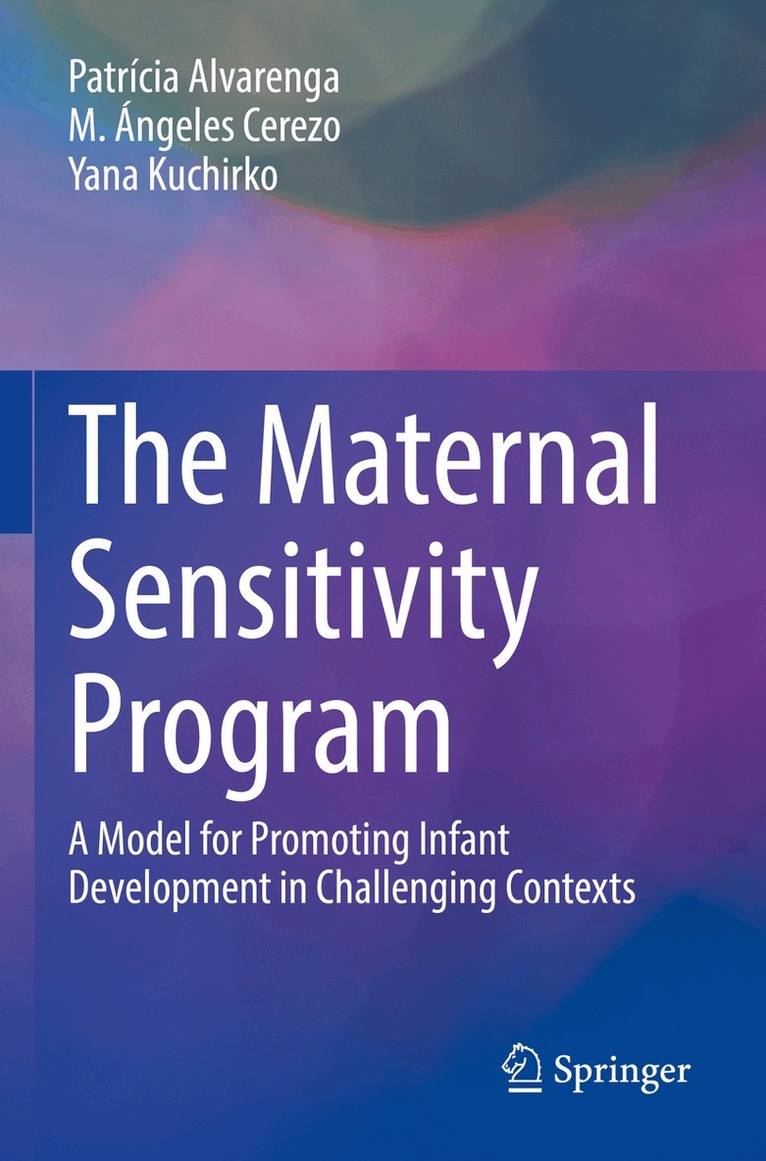
Maternal Sensitivity Program
Av Patrícia Alvarenga, M. Ángeles Cerezo, Yana Kuchirko
684 kr
Beställningsvara. Skickas inom 10-15 vardagar. Fri frakt över 249 kr.
Beskrivning
This book presents the Maternal Sensitivity Program (MSP), an eight-session home-delivered intervention designed to enhance overall maternal sensitivity to infant behavior between the third and the tenth month of life using video feedback and live modeling strategies. The intervention was based on successful international programs but was specifically developed to fit the realities and needs of low-income countries, whose public health services rely on scarce human and economic resources. The program aims to promote maternal acknowledgment of infant mental activity and model responses that encourage infants' communication of intentions, needs, desires, and emotions.The first part of the book provides an overview of core theories related to the concept of maternal sensitivity, illustrating how it varies across cultural contexts, and how it is shaped by economic scarcity. The second part of the book presents evidence of the effectiveness of sensitivity-based interventions, describes and provides a rationale for the Maternal Sensitivity Program (MSP), and proposes a framework for training interventionists seeking to implement the program in different contexts. The third part of the book presents the intervention manual, describing in detail the procedures in each of the eight sessions of the program. The Maternal Sensitivity Program: A Model for Promoting Infant Development in Challenging Contexts will be an invaluable resource for developmental psychologists, health care providers, and social workers who work with families in low-income countries and in contexts of social vulnerability and need to implement low-cost interventions to foster healthy child development.
Produktinformation
- Utgivningsdatum: 2022-11-05
- Mått: 155 x 235 x 9 mm
- Vikt: 248 g
- Format: Häftad
- Språk: Engelska
- Antal sidor: 136
- Förlag: Springer Nature Switzerland AG
- ISBN: 9783030842147
Utforska kategorier
Betyg & recensioner
0 recensioner
Inga recensioner tillgängliga.