Inbunden, Engelska, 2023
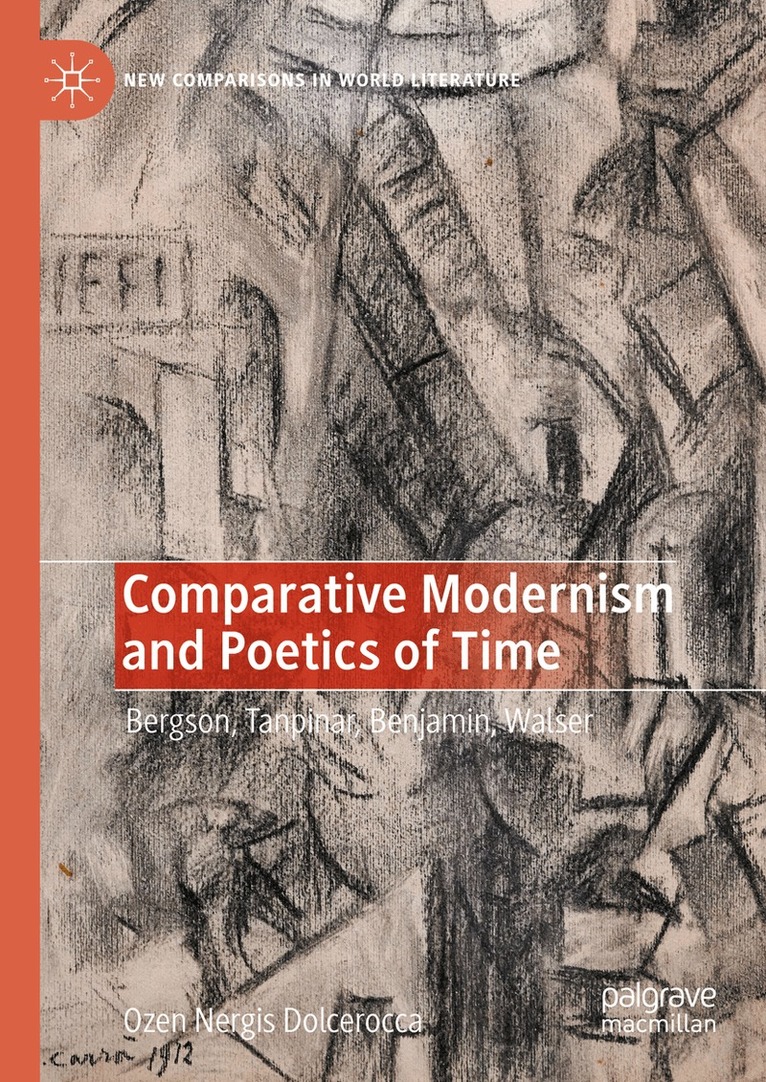
Comparative Modernism and Poetics of Time
1319 kr
Beställningsvara. Skickas inom 10-15 vardagar. Fri frakt över 249 kr.
Beskrivning
This book explores the conceptualization of time in early twentieth-century literature and thought, based on a transnational and translational model of literary history, focusing on Turkish, French and German literary traditions. Each from different cultural backgrounds, these modernists provide a radical critique of modern time regimes, which calibrate time in singular temporal narratives. The book traces the philosophical strand of this critical chronometry from Henri Bergson’s theory of time, through Walter Benjamin’s ambivalence towards decay of tradition, and finally to A.H. Tanpınar and Robert Walser’s modernist fiction. Negotiating regionally marked concepts and topoi of temporality, it discusses networks of cultural circulations and maps a revised intersection of Turkish and Western European literary histories. It is an essential read for scholars and students of comparative and world literature, modernist studies, and cultural history.
Produktinformation
- Utgivningsdatum: 2023-10-06
- Mått: 148 x 210 x 18 mm
- Vikt: 423 g
- Format: Inbunden
- Språk: Engelska
- Serie: New Comparisons in World Literature
- Antal sidor: 224
- Förlag: Springer International Publishing AG
- ISBN: 9783031352003
Utforska kategorier
Betyg & recensioner
0 recensioner
Inga recensioner tillgängliga.