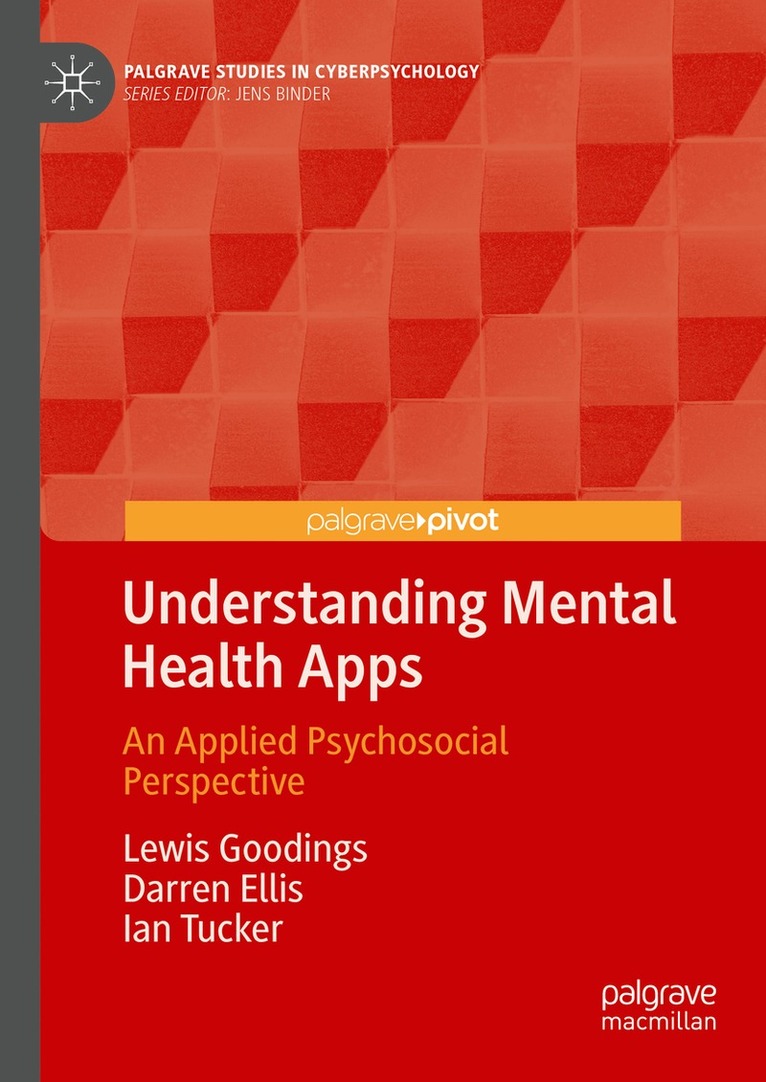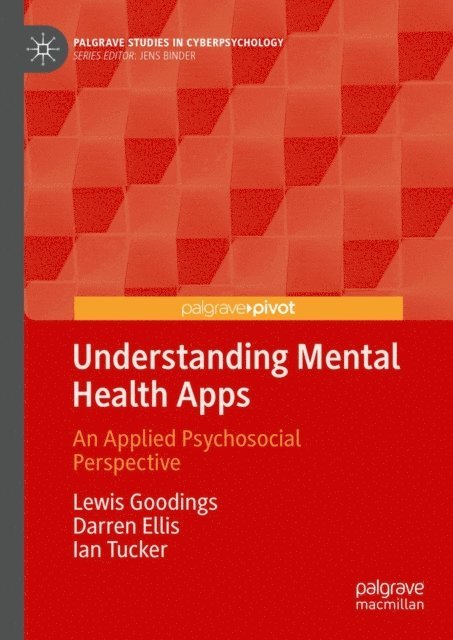
Understanding Mental Health Apps
An Applied Psychosocial Perspective
571 kr
Beställningsvara. Skickas inom 10-15 vardagar. Fri frakt över 249 kr.
Fler format och utgåvor
Beskrivning
This is the first book to look exclusively from at the use of MHapps from an applied psychosocial perspective. Much of the academic literature on MHapps in psychology focuses on the clinical efficacy of using apps (e.g., depression reduction as result of using a certain app) and will typically report on the use of randomised controlled trials (or a similar method) to illustrate the use of apps as a tool for improving a psychological condition. Therefore, the main benefit of this book is that it recognises the impact of apps from a social perspective and will aim to show how everyday forms of distress are embedded in the use of these apps and the broader set of relations that constitute people’s everyday lives. The content of this book will identify how an applied social perspective can offer insight into the power of apps to shape our sense of ourselves and of others. This book will be of use to educators and students in psychology, sociology, health studies, media studies andcultural studies.
Produktinformation
Utforska kategorier
Mer om författaren
Innehållsförteckning
Hoppa över listan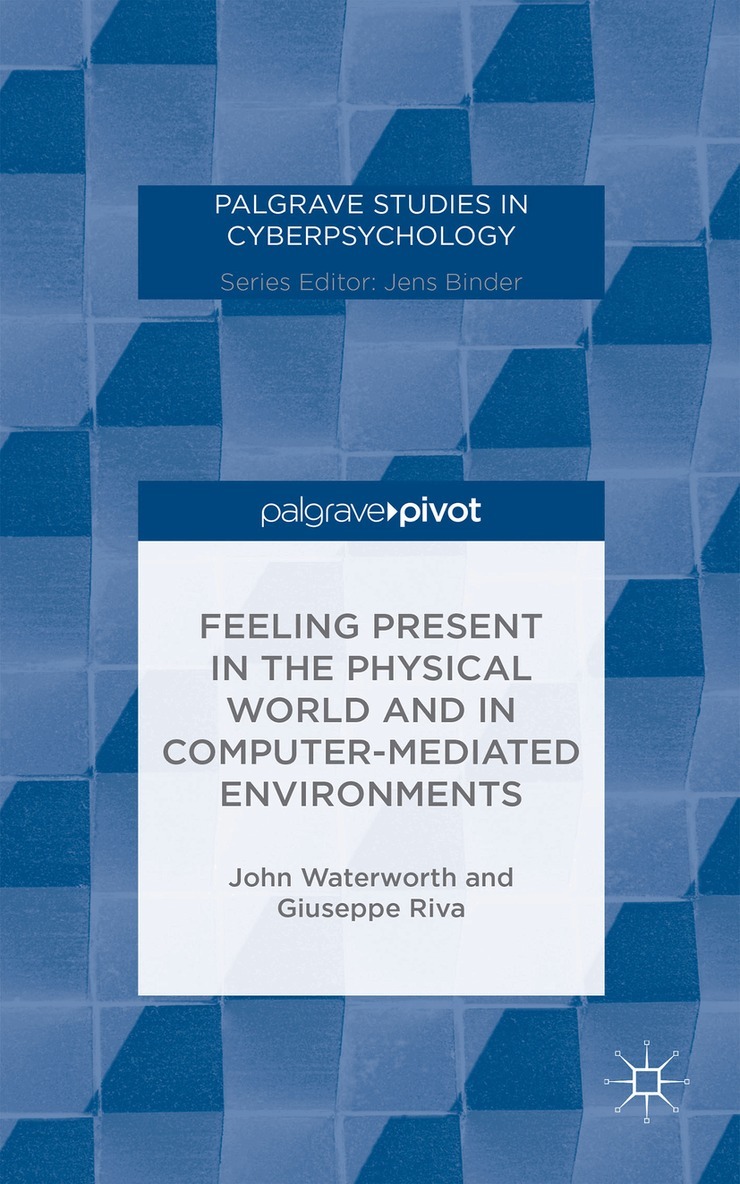





Mer från samma serie
Feeling Present in the Physical World and in Computer-Mediated Environments
J. Waterworth, G. Riva
Inbunden, 2014
555 kr