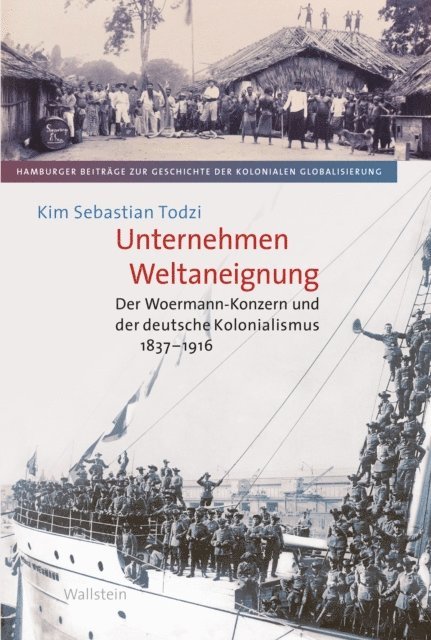
This volume examines how Hamburg, Germany’s foremost port, became a central hub of colonial globalisation and how these entanglements continue to shape the city. It traces (post-)colonial memory across a wide spectrum of sites: imaginaries such as the figure of the “Hanseat”, economic and political institutions including the port itself and the Chamber of Commerce, major companies like the Woermann Group, scholarly and cultural venues such as the ethnological museum “Museum für Völkerkunde”, Hagenbeck’s zoo with its “Völkerschauen”, and monuments including the Bismarck statue. By analysing these sites of colonial history, (post-)colonial memory, and contestation the book demonstrates what colonialism meant for Hamburg - and how Hamburg shaped colonialism - offering a comprehensive account of the city’s place within the history and legacies of (post-)colonial globalisation.