Häftad, Engelska, 2024
Stød in Danish Proper Names
Av Nina Grønnum
353 kr
Beställningsvara. Skickas inom 5-8 vardagar. Fri frakt över 249 kr.
Beskrivning
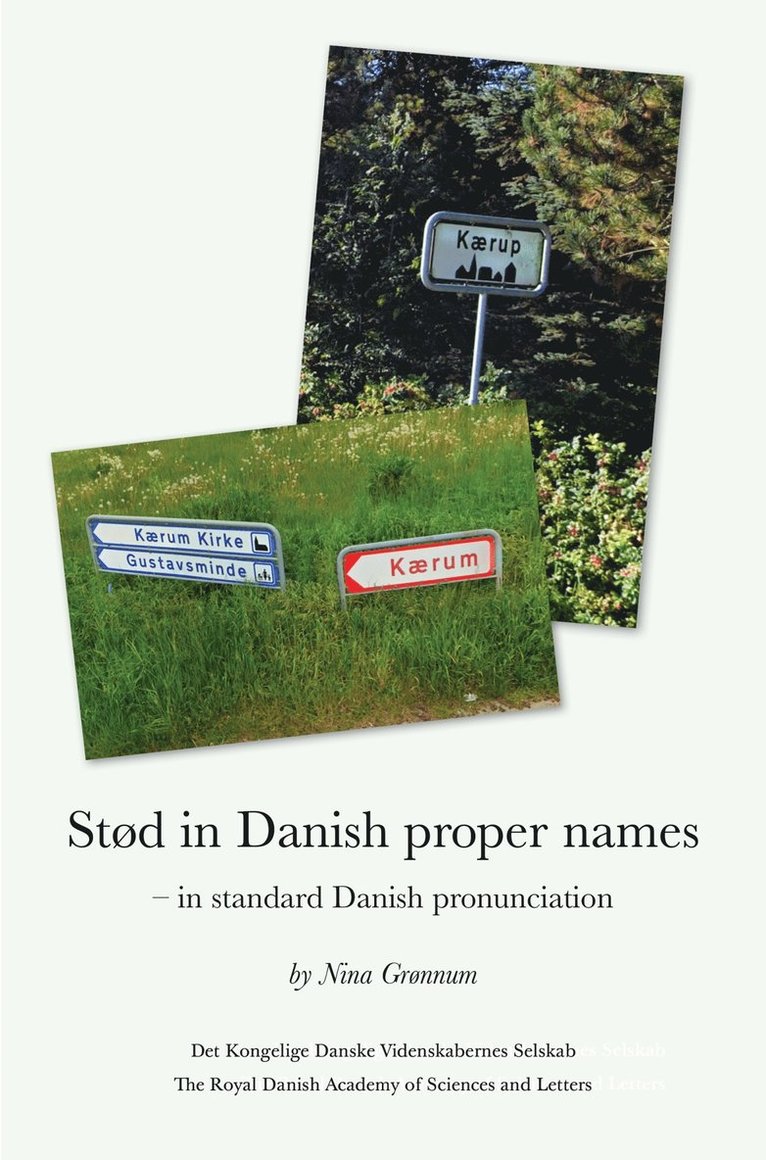
Some proper names deviate from the way stød is distributed in the Danish vocabulary in general. Oxytone lexemes with long sonority rhymes normally have stød, as in mus [mu??s] 'mouse,' telt [t??l?d?] 'tent' and [p???????d?] parat 'ready.' So do the boys' names Hans [han?s] and Rolf [??l?f]; but Jens [j?ns] and Niels [nels] have no stød. Paroxytone lexemes are generally without stød, as in skole [?s??o?l?] 'school,' [?hu??d?i] hurtig 'quick' and [b?a?læ?ð?] ballade 'rumpus.' So are the towns Holte [?h?ld??] and Horsens [?h??s?ns]; but Balslev [?b?al?slew] and Borup [?b?o????b?] have stød. Nine thousand proper names were analyzed in search of phonological properties that might account for the departure from the fundamental principle of lexeme stød in Hans Basbøll's Non-Stød Model. The results do not challenge the validity of the model; but they suggest an amendment and a differentiation of the perception of boundaries between elements in compound and compound-like names.
Produktinformation
- Utgivningsdatum: 2024-08-31
- Mått: 230 x 150 x 8 mm
- Vikt: 204 g
- Format: Häftad
- Språk: Engelska
- Serie: Scientia Danica, Series H. Humanistica
- Antal sidor: 73
- Förlag: Det Kongelige Danske Videnskabernes Selskab
- ISBN: 9788773044629
Utforska kategorier
Betyg & recensioner
0 recensioner
Inga recensioner tillgängliga.