Beställningsvara. Skickas inom 10-15 vardagar. Fri frakt över 249 kr.
Beskrivning
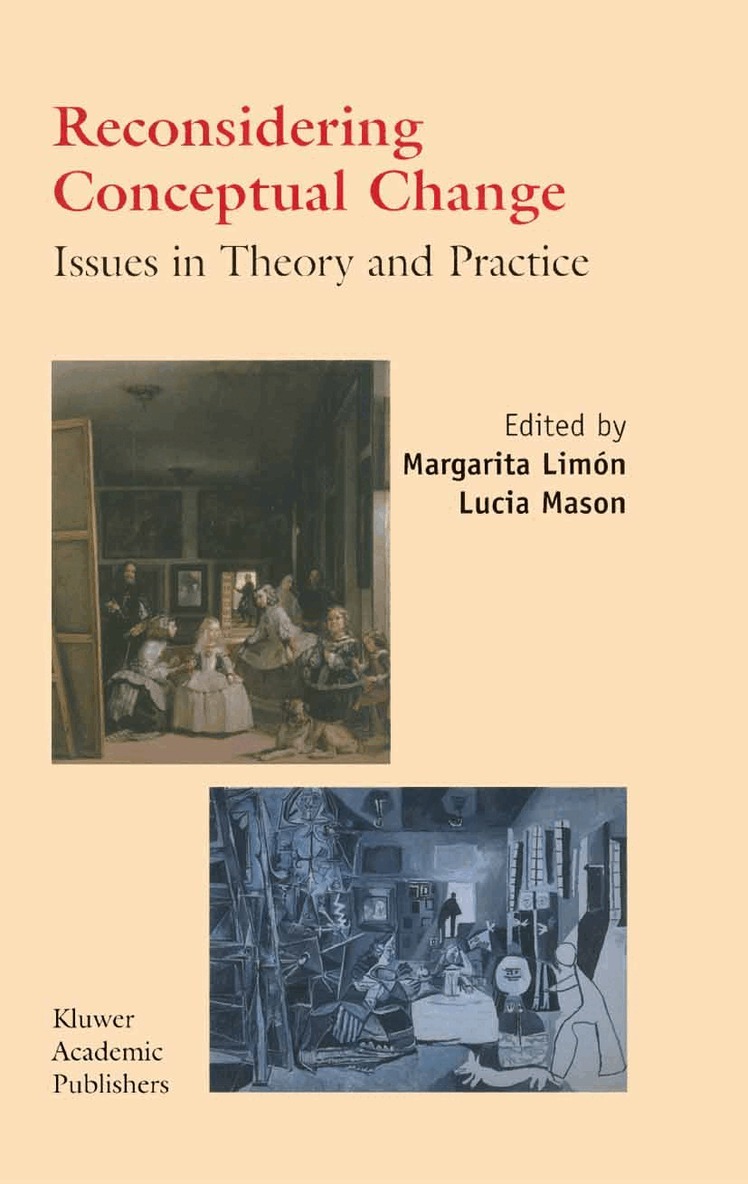
Particular attention was paid to discussing the characteristics of individuals’ prior knowledge and to the more recent topic of how to integrate social, motivational and contextual aspects of learning within conceptual change research (Parts 1 and 2).
"In summary, there is much in this book to inform the reader about how the field of conceptual change has moved beyond the issues identified in the simple illustration with which I began this review. In doing so, it provides more than enough to stimulate a considerable amount of productive discussion." (Peter Hewson, University of Wisconsin-Madison, USA (Science Education, 87:4)
Innehållsförteckning
Theoretical Perspectives.- The Processes and Challenges of Conceptual Change.- Why “Conceptual Ecology” is a Good Idea.- On the Nature of Naïve Physics.- Map Reading Versus Mind Reading.- Understanding Conceptual Change: A Commentary.- Motivational, Social and Contextual Aspects.- The Role of Motivational Beliefs in Conceptual Change.- Situating the Question of Conceptual Change.- Participative Learning and Conceptual Change.- Cognitive Variability in the Development of the Concept of Family: A Contextualist or a Gradualist View?.- Motivational, Social, and Contextual Aspects of Conceptual Change: A Commentary.- Domain Specificity and Learning.- The Role of Students’ Epistemological Knowledge in the Process of Conceptual Change in Science.- Intuitive Rules: the Case of “More A — More B”.- Conceptual Change in Mathematics: Understanding the Real Numbers.- Conceptual Change in History.- Content and Conceptual Change: A Commentary.- Instructional Practices to Promote Conceptual Change in the Classroom.- Developing Epistemological Thinking to Foster Conceptual Change in Different Domains.- Science Learning Through Text: The Effect of Text Design and text Comprehension Skills on Conceptual Change.- Computer-based Interactions for Conceptual Change in Science.- Knowledge Assessment and Conceptual Understanding.- Change as a Process and a Disposition: A Commentary.