Inbunden, Engelska, 2027
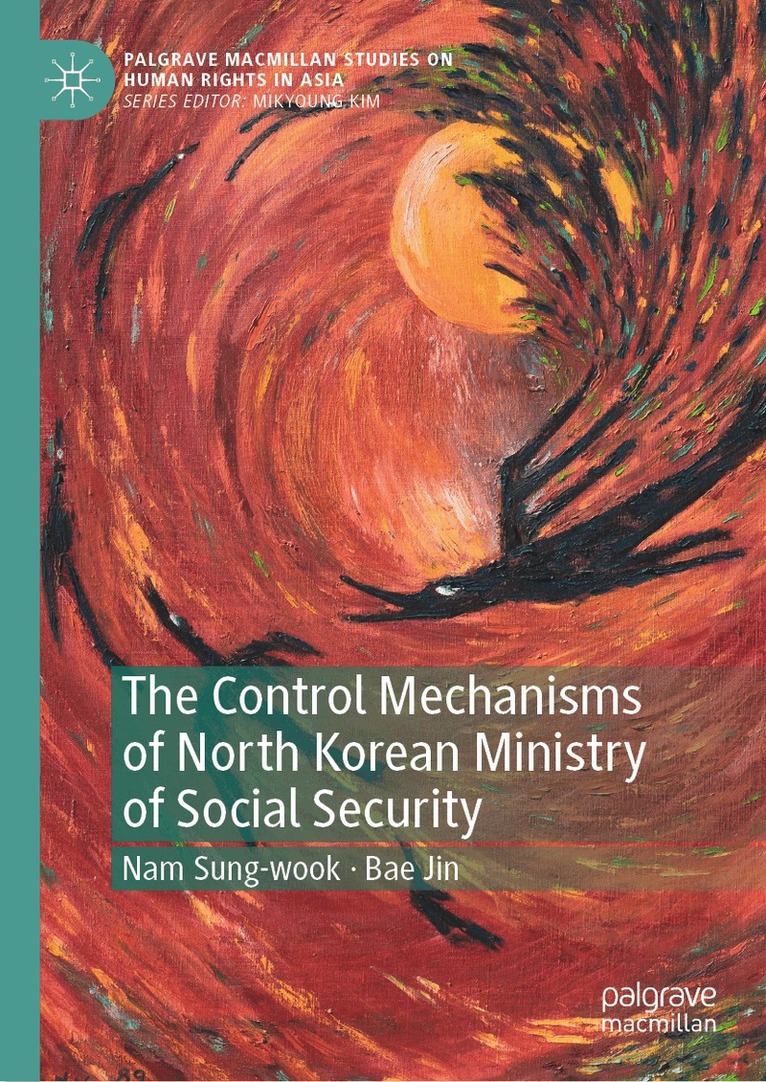
Control Mechanisms of North Korean Ministry of Social Security
Av Sung-wook Nam, Jin Bae
1781 kr
Kommande
Beskrivning
This monograph provides the first systematic and comprehensive study of the Ministry of Social Security, the state institution most directly responsible for resident control in North Korea. Unlike previous works that examine North Korea’s regime resilience in general terms, this volume focuses specifically on the mechanisms, institutions, and human consequences of resident control. It highlights how the Kim family regime has sustained hereditary dictatorship through the institutionalization of social control, and it uniquely situates this within both theoretical debates on authoritarianism and empirical evidence of human rights violations.
Produktinformation
- Utgivningsdatum: 2027-01-05
- Mått: 148 x 210 x undefined mm
- Format: Inbunden
- Språk: Engelska
- Serie: Palgrave Macmillan Studies on Human Rights in Asia
- Antal sidor: 389
- Förlag: Springer Verlag, Singapore
- ISBN: 9789819213658
Utforska kategorier
Betyg & recensioner
0 recensioner
Inga recensioner tillgängliga.