
Virginia H. Dale - Böcker
Visar alla böcker från författaren Virginia H. Dale. Handla med fri frakt och snabb leverans.
15 produkter
15 produkter
492 kr
Skickas inom 10-15 vardagar
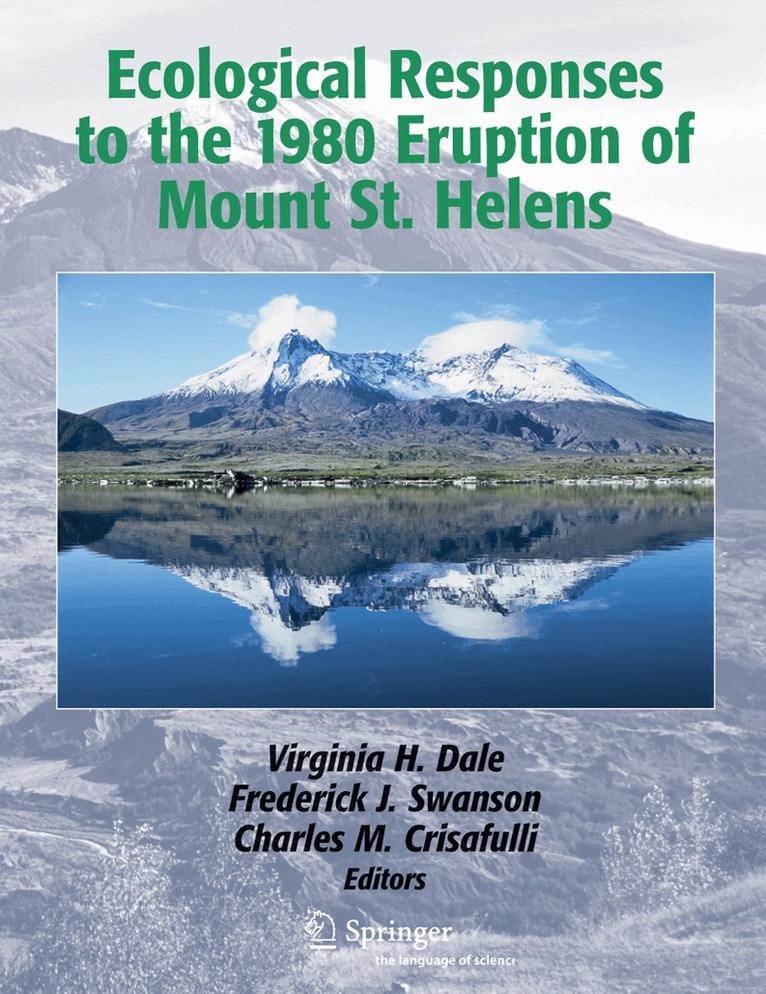
The eruption of Mount St. Helens on May 18, 1980, had a momentous impact on the fungal, plant, animal, and human life from the mountain to the far reaches of the explosion's ash cloud and mudflows. Although this intense natural event caused loss of substantial life and property, it also created a unique opportunity to examine a huge disturbance of natural systems and their subsequent responses. Based on one of the most studied areas of volcanic activity, this book synthesizes the ecological research that has been conducted for twenty-five years since the eruption.Research from geology as well as plant and animal ecology has been integrated in this unprecedented look at the complex interactions of biological and physical systems in the response of the volcanic landscape. Lessons from the volcano inform our larger understanding of ecosystem disturbances, natural processes, and the impact of land-use practices. Included are results of significant and long-term research on vegetation, mycorrhizae, plant and animal interactions, arthropods, amphibians, mammals, fish, lakes, nutrient cycling, geomorphology, and environmental management.This comprehensive account will be of value to those interested in natural history, ecology, disturbance, conservation biology, limnology, geoscience, and land management. Questions about what actually happens when a volcano erupts, what the immediate and long-term dangers are, and how life reasserts itself in the environment are discussed in full detail.
492 kr
Skickas inom 10-15 vardagar
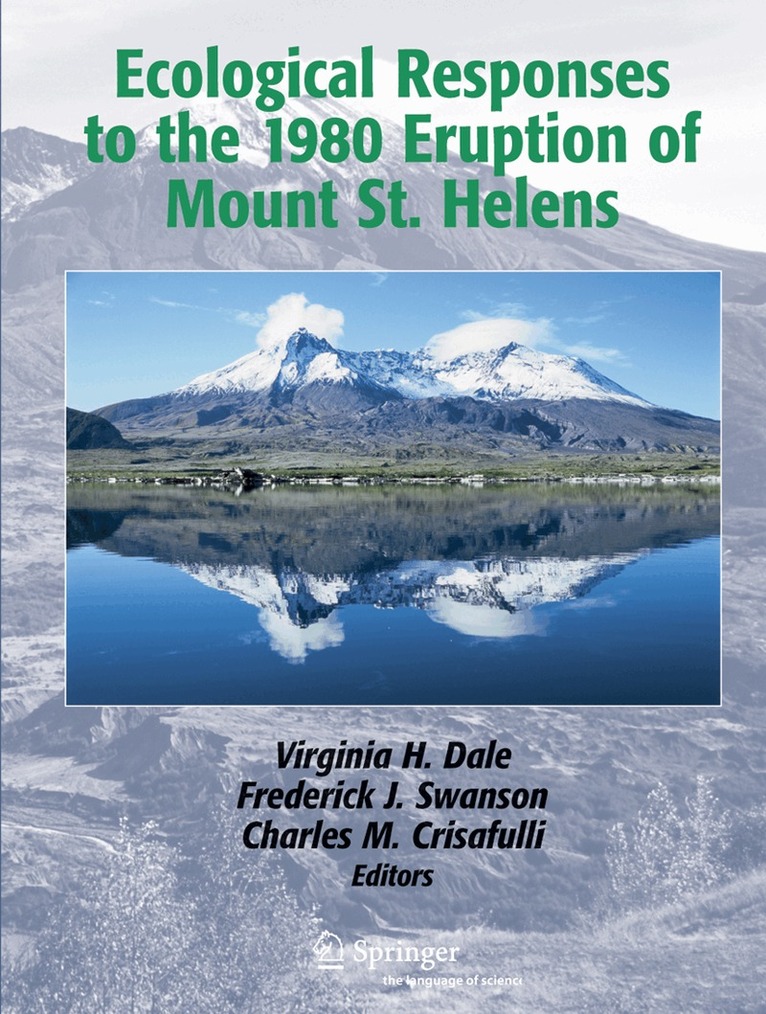
The eruption of Mount St. Helens on May 18, 1980, had a momentous impact on the fungal, plant, animal, and human life from the mountain to the far reaches of the explosion's ash cloud and mudflows. Although this intense natural event caused loss of substantial life and property, it also created a unique opportunity to examine a huge disturbance of natural systems and their subsequent responses. Based on one of the most studied areas of volcanic activity, this book synthesizes the ecological research that has been conducted for twenty-five years since the eruption. Research from geology as well as plant and animal ecology has been integrated in this unprecedented look at the complex interactions of biological and physical systems in the response of the volcanic landscape. Lessons from the volcano inform our larger understanding of ecosystem disturbances, natural processes, and the impact of land-use practices. Included are results of significant and long-term research on vegetation, mycorrhizae, plant and animal interactions, arthropods, amphibians, mammals, fish, lakes, nutrient cycling, geomorphology, and environmental management.This comprehensive account will be of value to those interested in natural history, ecology, disturbance, conservation biology, limnology, geoscience, and land management. Questions about what actually happens when a volcano erupts, what the immediate and long-term dangers are, and how life reasserts itself in the environment are discussed in full detail.
2 121 kr
Skickas inom 10-15 vardagar
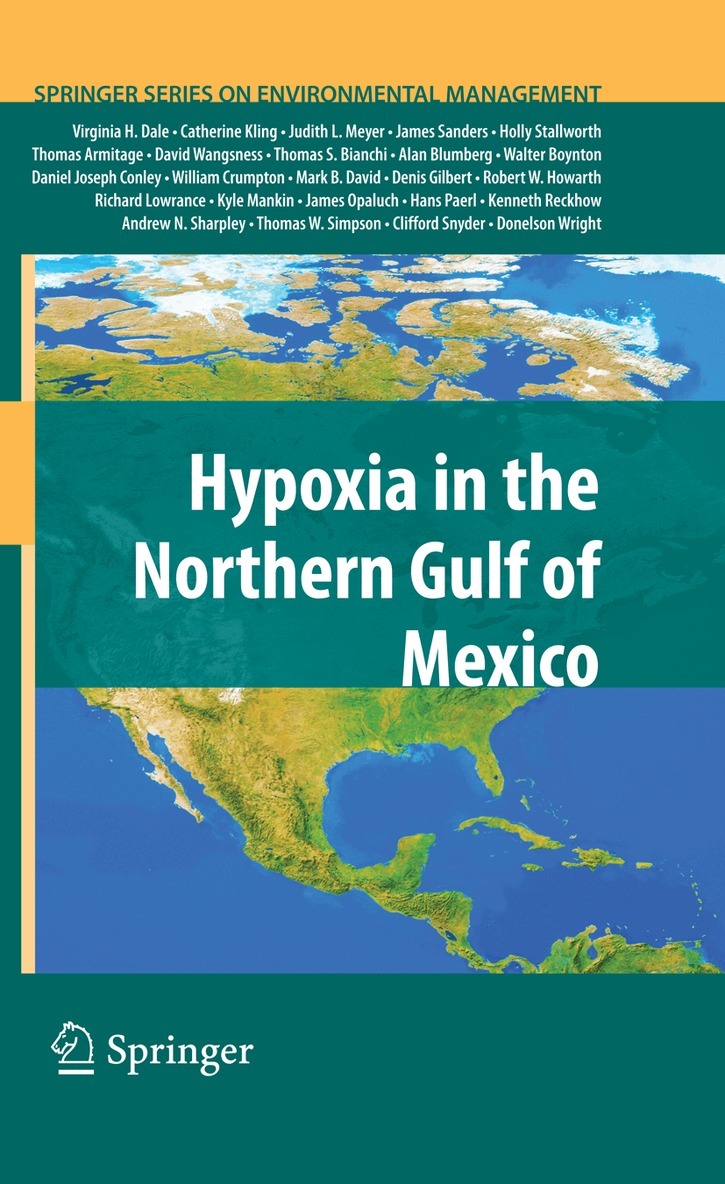
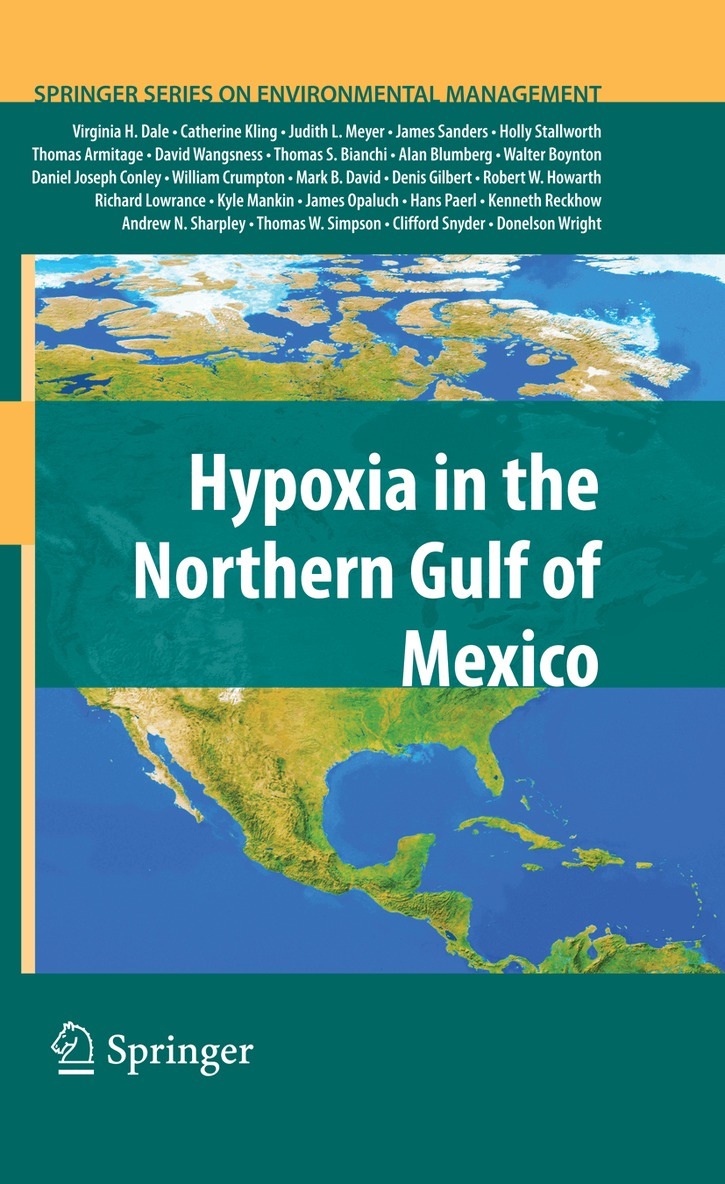
Since 1985, scientists have been documenting a hypoxic zone in the Gulf of Mexico each year. The hypoxic zone, an area of low dissolved oxygen that cannot s- port marine life, generally manifests itself in the spring. Since marine species either die or ee the hypoxic zone, the spread of hypoxia reduces the available habitat for marine species, which are important for the ecosystem as well as commercial and recreational shing in the Gulf. Since 2001, the hypoxic zone has averaged 2 1 16,500 km during its peak summer months , an area slightly larger than the state 2 2 of Connecticut, and ranged from a low of 8,500 km to a high of 22,000 km . To address the hypoxia problem, the Mississippi River/Gulf of Mexico Watershed Nutrient Task Force (or Task Force) was formed to bring together represen- tives from federal agencies, states, and tribes to consider options for responding to hypoxia. The Task Force asked the White House Of ce of Science and Technology Policy to conduct a scienti c assessment of the causes and consequences of Gulf hypoxia through its Committee on Environment and Natural Resources (CENR).
Effects of Land-Use Change on Atmospheric CO2 Concentrations
South and Southeast Asia as a Case Study
Inbunden, Engelska, 1993
1 064 kr
Skickas inom 10-15 vardagar
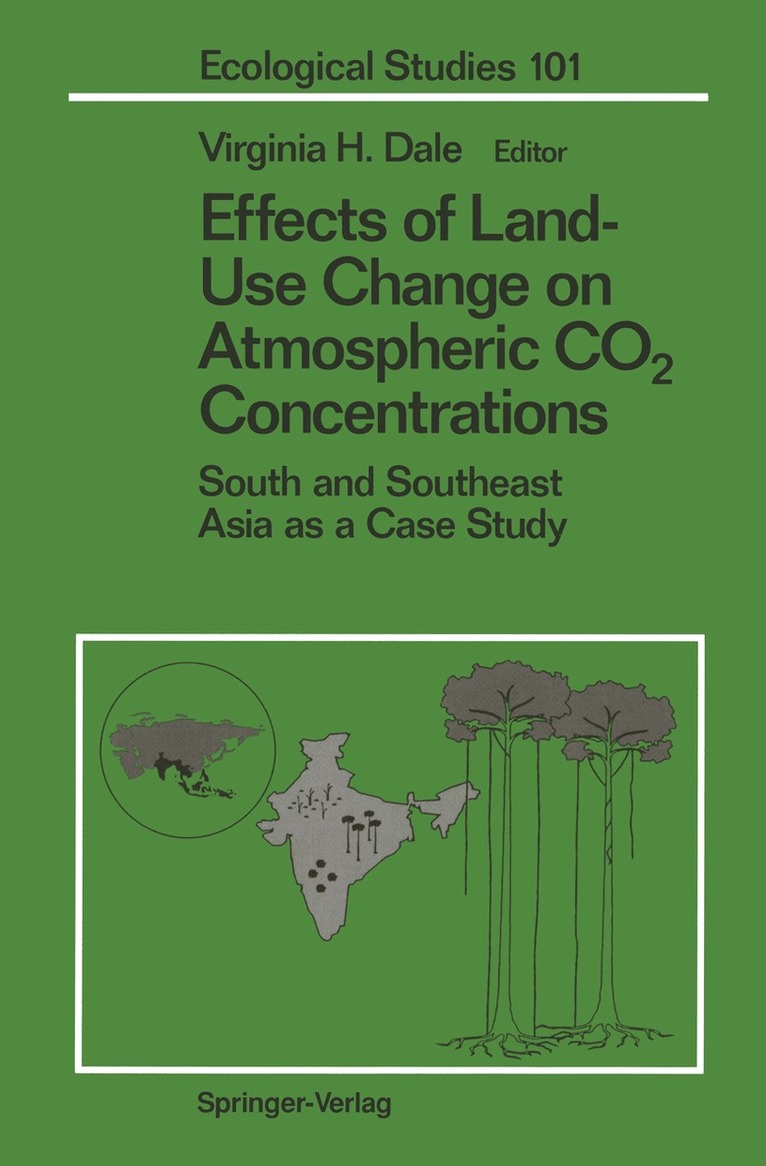
Roger C. Dahlman Environmental Sciences Division U.S. Department of Energy Washington, D.C. The potential for humans to alter Earth's atmosphere has been recognized since the end of the 19th century when Arrhenius estimated that a doubling of atmospheric carbon dioxide could alter the atmospheric radiation balance and raise average global temperature. Today, atmospheric CO concentrations play an important part in the 2 climate-change debate. Sources and sinks of CO associated with land use can be 2 significant determinants of the rate and magnitude of atmospheric CO change. 2 Combustion of fossil fuels and the deforestation associated with land-use change both contribute CO to the atmosphere; in contrast, biological processes on land create 2 potential sinks for the excess CO . Thus, land-use change and associated biological 2 processes become important elements in assessments of future atmospheric CO 2 increase; land-cover properties also affect the Earth's albedo, which is a climate feedback.
1 593 kr
Skickas inom 10-15 vardagar
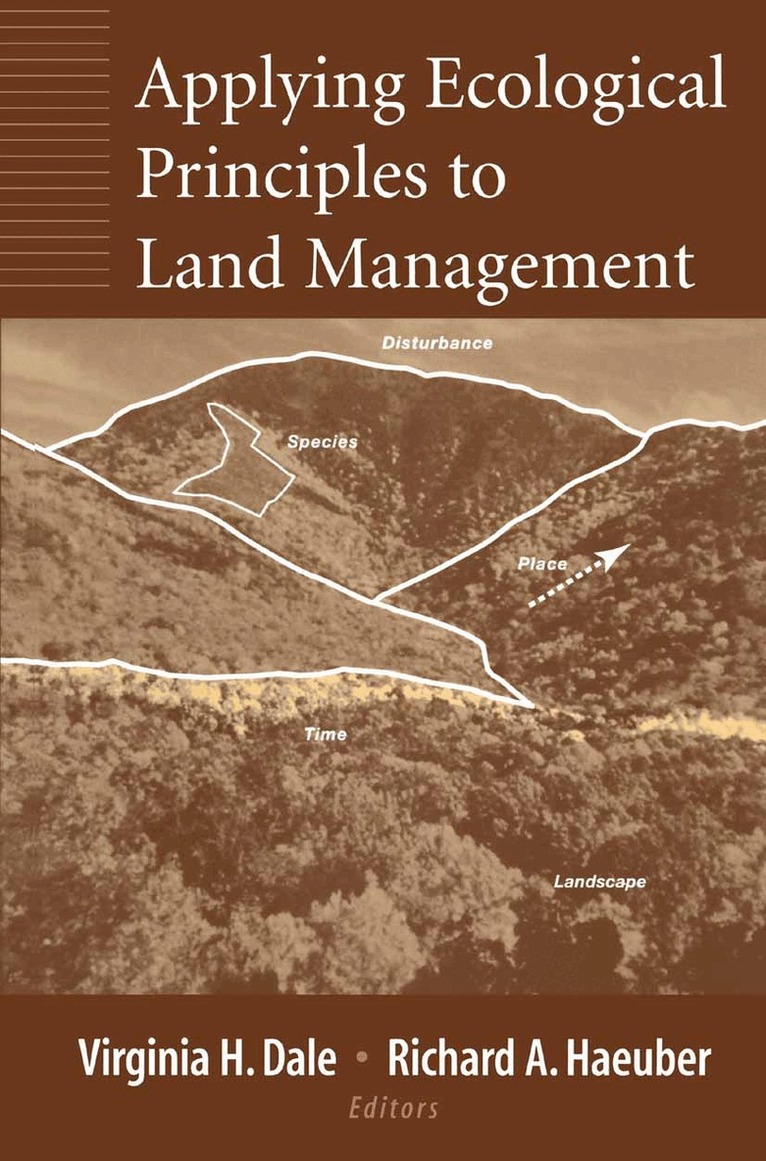
This volume applies ecological principles and guidelines to understand past and current land use and land management; and more importantly, endeavors to promote more ecologically sound approaches to future land use and management decisions. The volume incorporates case studies from a wide variety of disciplines and perspectives. The case studies explore past and current land use decisions, on both public and private lands, and include practical approaches and tools for land-use decision-making. Perhaps the most important feature of the book is the linking of ecological theory and principle with applied land use decision-making - the theoretical and empirical are joined through concrete case studies of actual land use decision-making processes. In this volume, readers will find a statement of fundamental ecological principles that are relevant for land use planning and management, coupled with multiple in-depth explorations of the application of these principles in action.In addition, most case studies describe specific tools and approaches for incorporating endeavors to join fundamental ecological knowledge with cutting edge application in order to both educate and provide concrete guidance for decision-making. The intended audience is broad and multidisciplinary, from undergraduate and graduate level courses in environmental studies to professional land use planners.
1 170 kr
Skickas inom 10-15 vardagar
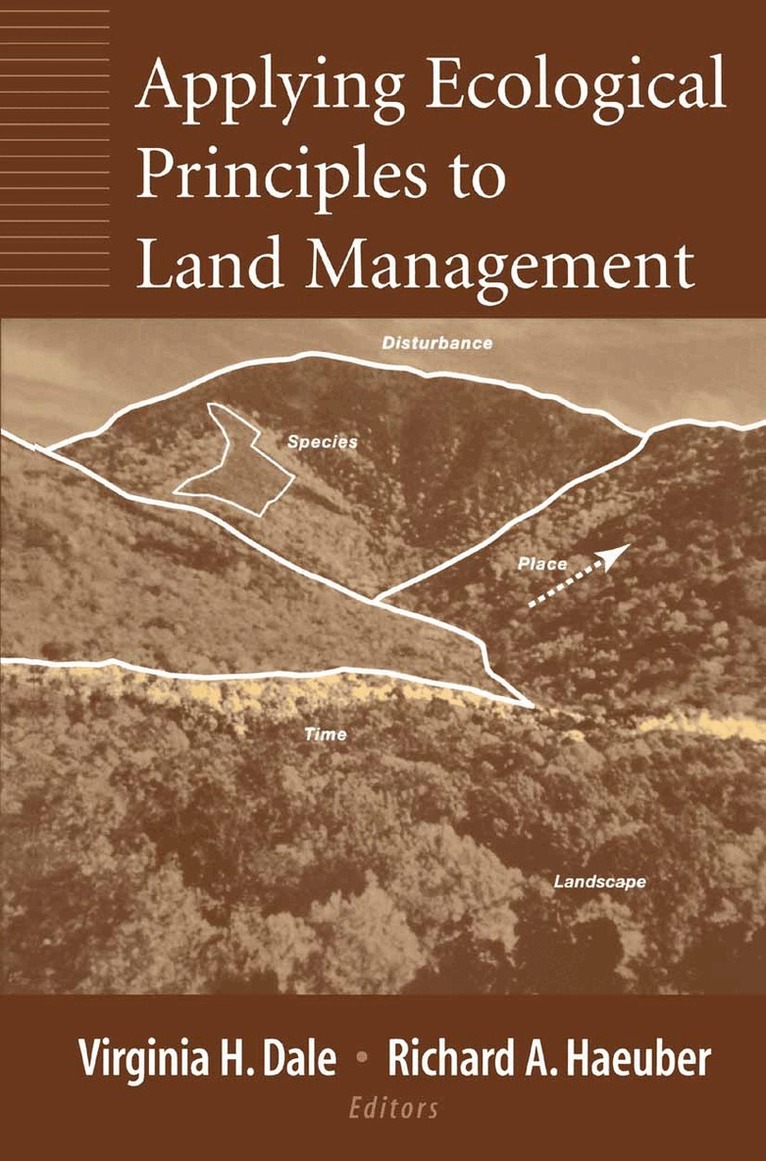
This volume applies ecological principles and guidelines to understand past and current land use and land management; and more importantly, endeavors to promote more ecologically sound approaches to future land use and management decisions. The volume incorporates case studies from a wide variety of disciplines and perspectives. The case studies explore past and current land use decisions, on both public and private lands, and include practical approaches and tools for land-use decision-making. Perhaps the most important feature of the book is the linking of ecological theory and principle with applied land use decision-making - the theoretical and empirical are joined through concrete case studies of actual land use decision-making processes. In this volume, readers will find a statement of fundamental ecological principles that are relevant for land use planning and management, coupled with multiple in-depth explorations of the application of these principles in action.In addition, most case studies describe specific tools and approaches for incorporating endeavors to join fundamental ecological knowledge with cutting edge application in order to both educate and provide concrete guidance for decision-making. The intended audience is broad and multidisciplinary, from undergraduate and graduate level courses in environmental studies to professional land use planners.
1 593 kr
Skickas inom 10-15 vardagar
With the use of ecological models, managers and decision makers can make sure that the ecological systems affected by their decisions are accurately represented. Unfortunately, the most relevant ecological science and modeling techniques are often not used because managers are not familiar with them or find them inappropriate for their circumstances. The authors of this volume hope to close the gap between the state of the art in ecological modeling and the state of the practice in the use of models as decision-making tools. It will serve as a readable introduction to modeling for people involved in resource management and will also review specific applications of interest to more experienced modelers. The first chapters detail several successful uses of ecological models in resource management. There are then five pairs of chapters addressing important issues in ecological modeling, including barriers to the use of modeling in decision making, evolving approaches in the field, effective use of data, the toolkit approach to management, and the various scientific and technological investments required for productive modeling.Ecologists and other scientists will learn how best to focus their research for practical, real-world applications, and resource managers and other practitioners will learn the most appropriate methods of understanding dynamic processes and making projections about the implications of their decisions.
852 kr
Skickas inom 10-15 vardagar
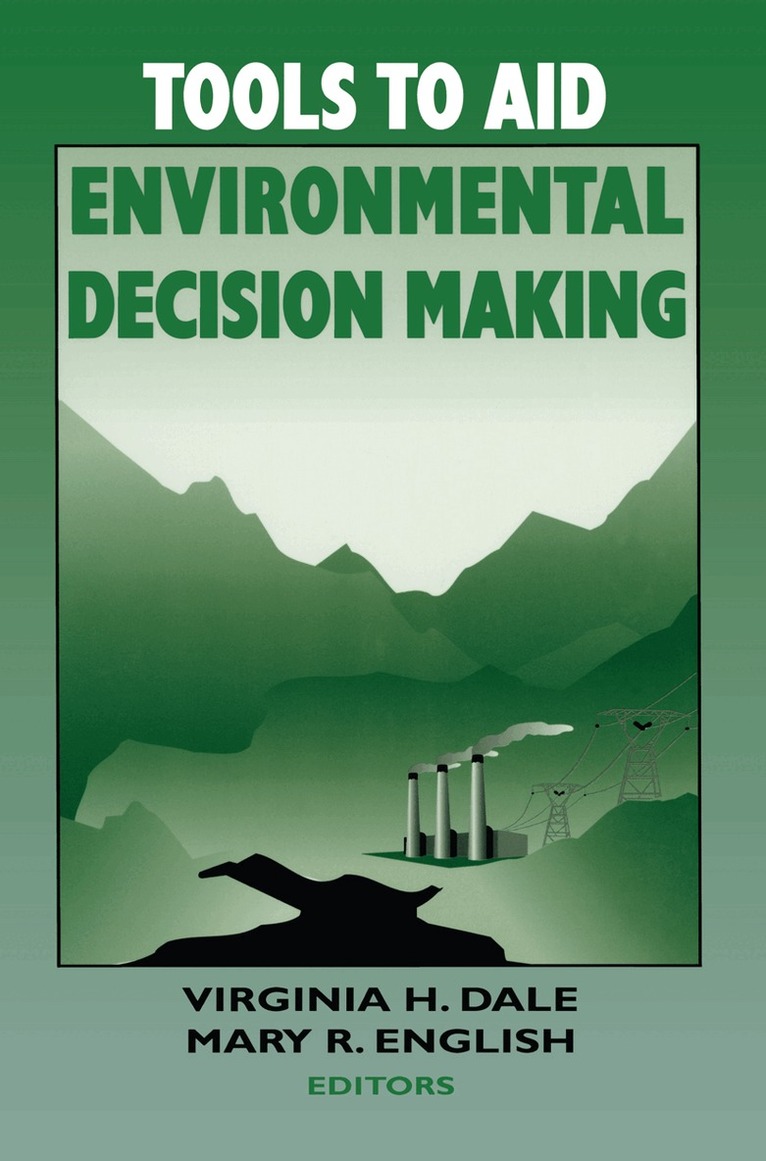
This book is unique in identifying and presenting tools to environmental decision-makers to help them improve the quality and clarity of their work. These tools range from software to policy approaches, and from environmental databases to focus groups. This title is equally of value to environmental managers, and students in environmental risk, policy, economics and law.
536 kr
Skickas inom 10-15 vardagar
Environmental decisions are made every day in manufacturing plants, city council meetings, and corporate board rooms. This book is unique in identifying and presenting tools to environmental decision-makers to help them improve the quality and clarity of this vital process. The tools described in this book range from software to policy approaches, and from environmental databases to focus groups. Tools to Aid Environmental Decision Making will be of value to decision makers and their staffs, environmental managers, and students in environmental risk, policy, economics and law.
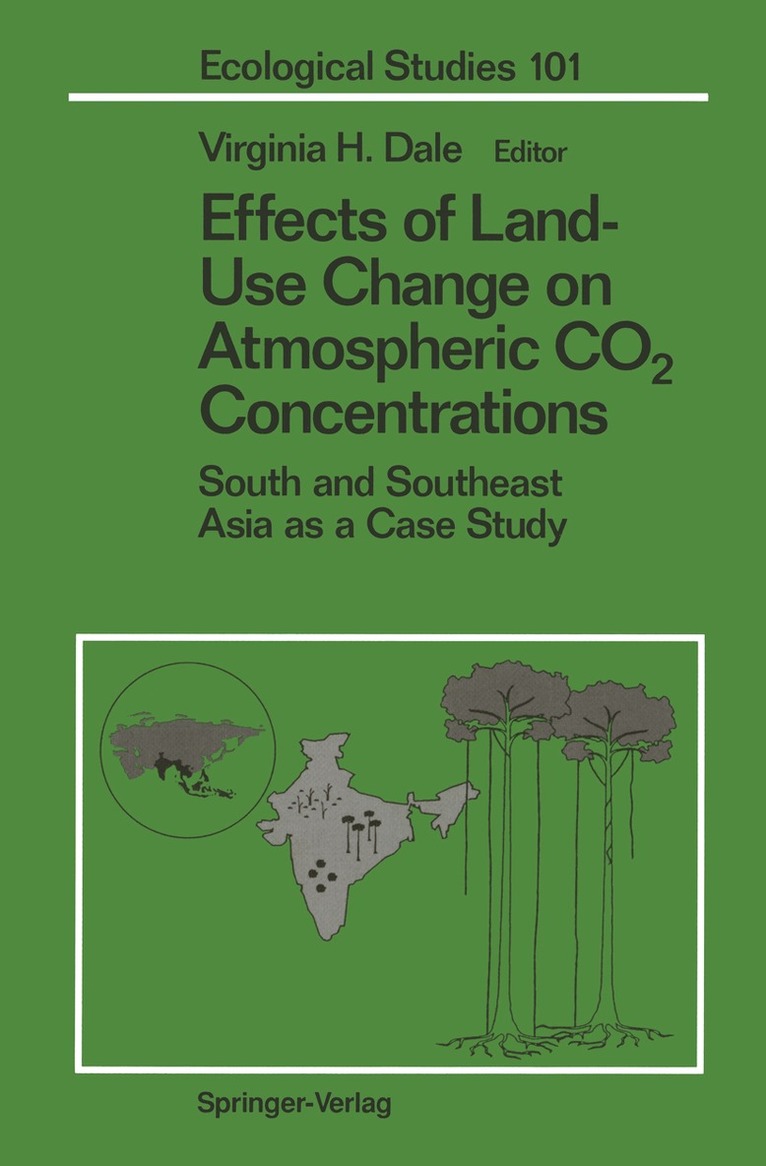
Effects of Land-Use Change on Atmospheric CO2 Concentrations
South and Southeast Asia as a Case Study
Häftad, Engelska, 2011
1 064 kr
Skickas inom 10-15 vardagar
Roger C. Dahlman Environmental Sciences Division U.S. Department of Energy Washington, D.C. The potential for humans to alter Earth's atmosphere has been recognized since the end of the 19th century when Arrhenius estimated that a doubling of atmospheric carbon dioxide could alter the atmospheric radiation balance and raise average global temperature. Today, atmospheric CO concentrations play an important part in the 2 climate-change debate. Sources and sinks of CO associated with land use can be 2 significant determinants of the rate and magnitude of atmospheric CO change. 2 Combustion of fossil fuels and the deforestation associated with land-use change both contribute CO to the atmosphere; in contrast, biological processes on land create 2 potential sinks for the excess CO . Thus, land-use change and associated biological 2 processes become important elements in assessments of future atmospheric CO 2 increase; land-cover properties also affect the Earth's albedo, which is a climate feedback.
2 121 kr
Skickas inom 10-15 vardagar
Since 1985, scientists have been documenting a hypoxic zone in the Gulf of Mexico each year. The hypoxic zone, an area of low dissolved oxygen that cannot s- port marine life, generally manifests itself in the spring. Since marine species either die or ee the hypoxic zone, the spread of hypoxia reduces the available habitat for marine species, which are important for the ecosystem as well as commercial and recreational shing in the Gulf. Since 2001, the hypoxic zone has averaged 2 1 16,500 km during its peak summer months , an area slightly larger than the state 2 2 of Connecticut, and ranged from a low of 8,500 km to a high of 22,000 km . To address the hypoxia problem, the Mississippi River/Gulf of Mexico Watershed Nutrient Task Force (or Task Force) was formed to bring together represen- tives from federal agencies, states, and tribes to consider options for responding to hypoxia. The Task Force asked the White House Of ce of Science and Technology Policy to conduct a scienti c assessment of the causes and consequences of Gulf hypoxia through its Committee on Environment and Natural Resources (CENR).
1 170 kr
Skickas inom 10-15 vardagar
This book was developed from a workshop on the "Effective Use of Ecological Modeling in Management," held in Oak Ridge, Tennessee, on October 23-26, 2000. The workshop was sponsored by the Department of Defense's (DoD's) Strategic Environmental Research and Development Program (SERDP), the Army Research Of?ce, and the Engineering Research and Development Center of the Corps of Engineers as well as by the U. S. Department of Agriculture (USDA) Forest Service. It was hosted by the Department of Energy's (DOE's) Oak Ridge National Laboratory (ORNL). The organizing committee for the workshop included senior s- entists from ORNL,the USDA Forest Service,and the U. S. Army Corps of Engineers (ACE). The members of the steering committee were John Barko,Paul Bradford,Bill Goran,Jeff Holland,Russell Harmon,and Mike Vasievich. They helped guide the workshop to a useful product by sugge- ing topics, speakers, and participants.Workshop attendees included senior ecological modelers within the Forest Service,DoD,other federal and state agencies, universities, and the private sector together with ecologic- resource managers in the Forest Service, DoD, and other government and nongovernment agencies and organizations. The book never could have come to fruition without the dedicated efforts of Fred O'Hara in editing each of the chapters and making sure that the text was complete and accurate and that standard methods of expression and design were used in the text, references, tables, and ?gures. His careful attention to the details and to effective communication is appreciated. Many people helped in bringing the book to completion.
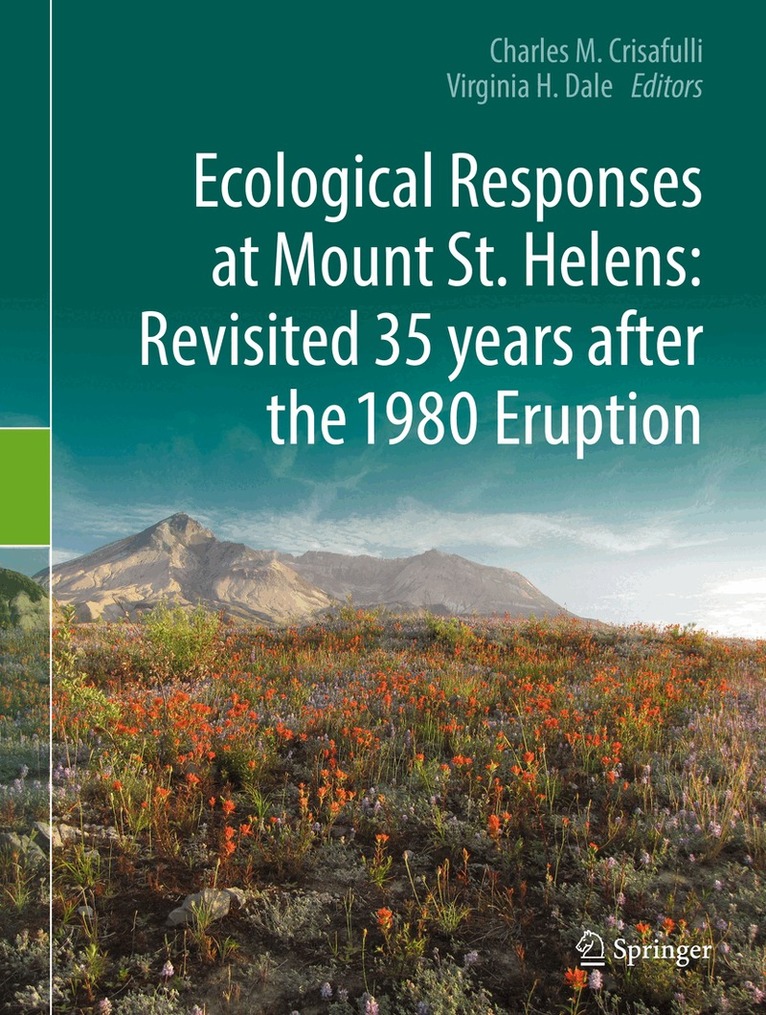
Ecological Responses at Mount St. Helens: Revisited 35 years after the 1980 Eruption
Inbunden, Engelska, 2018
958 kr
Skickas inom 10-15 vardagar
This book builds on existing work exploring succession, disturbance ecology, and the interface between geophysical and biological systems in the aftermath of the 1980 eruptions of Mount St. Helens. The eruption was dramatic both in the spatial extent of impacts and the range of volcanic disturbance types and intensities. Complex geophysical forces created unparalleled opportunities to study initial ecological responses and long-term succession processes that occur in response to a major contemporary eruption across a great diversity of ecosystems—lowland to alpine forests, meadows, lakes, streams, and rivers. These factors make Mount St. Helens an extremely rich environment for learning about the ecology of volcanic areas and, more generally, about ecosystem response to major disturbance of many types, including land management. Lessons about ecological recovery at Mount St. Helens are shaping thought about succession, disturbance ecology, ecosystem management, and landscape ecology. In the first five years after the eruption several syntheses documented the numerous, intensive studies of ecological recovery. The 2005 volume “Ecological Responses to the 1980 Eruption of Mount St. Helens” (Springer Publishing) was the first ecological synthesis since 1987 of the scores of ecological studies underway in the area. More than half of the world’s published studies on plant and animal responses to volcanic eruptions have taken place at Mount St. Helens. The 25-year synthesis, which generally included investigations (i.e., data) from 1980-2000, made it possible to more thoroughly analyze initial stages of ecological responses and to test the validity of early interpretations and the duration of early phenomena. And 35 years after the eruption, it is time for many of the scientists working in the first three-decade, post-eruption period to pass the science baton to the next generation of scientists to work at Mount St. Helens, anda synthesis at this time of transfer of responsibility to a younger cohort of scientists will be an enormous asset to the continuation of work at the volcano.
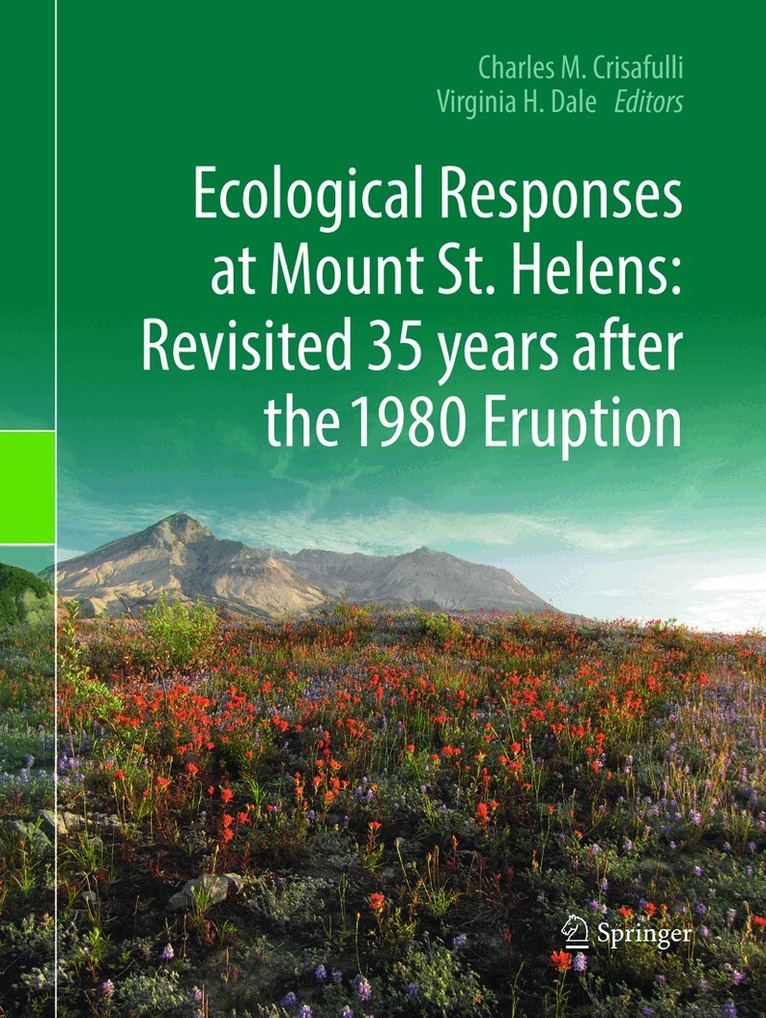
Ecological Responses at Mount St. Helens: Revisited 35 years after the 1980 Eruption
Häftad, Engelska, 2019
958 kr
Skickas inom 10-15 vardagar
This book builds on existing work exploring succession, disturbance ecology, and the interface between geophysical and biological systems in the aftermath of the 1980 eruptions of Mount St. Helens. The eruption was dramatic both in the spatial extent of impacts and the range of volcanic disturbance types and intensities. Complex geophysical forces created unparalleled opportunities to study initial ecological responses and long-term succession processes that occur in response to a major contemporary eruption across a great diversity of ecosystems—lowland to alpine forests, meadows, lakes, streams, and rivers. These factors make Mount St. Helens an extremely rich environment for learning about the ecology of volcanic areas and, more generally, about ecosystem response to major disturbance of many types, including land management. Lessons about ecological recovery at Mount St. Helens are shaping thought about succession, disturbance ecology, ecosystem management, and landscape ecology. In the first five years after the eruption several syntheses documented the numerous, intensive studies of ecological recovery. The 2005 volume “Ecological Responses to the 1980 Eruption of Mount St. Helens” (Springer Publishing) was the first ecological synthesis since 1987 of the scores of ecological studies underway in the area. More than half of the world’s published studies on plant and animal responses to volcanic eruptions have taken place at Mount St. Helens. The 25-year synthesis, which generally included investigations (i.e., data) from 1980-2000, made it possible to more thoroughly analyze initial stages of ecological responses and to test the validity of early interpretations and the duration of early phenomena. And 35 years after the eruption, it is time for many of the scientists working in the first three-decade, post-eruption period to pass the science baton to the next generation of scientists to work at Mount St. Helens, anda synthesis at this time of transfer of responsibility to a younger cohort of scientists will be an enormous asset to the continuation of work at the volcano.
572 kr
Skickas inom 3-6 vardagar
A central goal of transportation is the delivery of safe and efficient services with minimal environmental impact. In practice, though, human mobility has flourished while nature has suffered. Awarness of the environmental impacts of roads is increasing, yet information remains scarce for those interested in studying, understanding, or minimizing the ecological effects of roads and vehicles. Road Ecology addresses that shortcoming by elevating previously localized and fragmented knowledge into a broad and inclusive framework for understanding and developing solutions. The book brings together fourteen leading ecologists and transportation experts to articulate state-of-the-science road ecology principles and presents specific examples that demonstrate the application of those principles.