Amir Engel – författare
Visar alla böcker från författaren Amir Engel. Handla med fri frakt och snabb leverans.
7 produkter
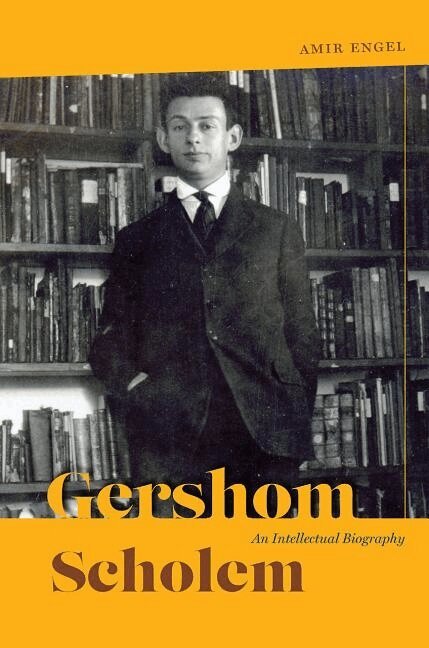
Gershom Scholem
An Intellectual Biography
Av Amir Engel
Inbunden, 2017
477 kr
Lägg i varukorg
Gershom Scholem (1897 1982) was ostensibly a scholar of Jewish mysticism, yet he occupies a powerful role in today's intellectual imagination, having an influential contact with an extraordinary cast of thinkers, including Hans Jonas, Martin Buber, Walter Benjamin, Hannah Arendt, and Theodor …
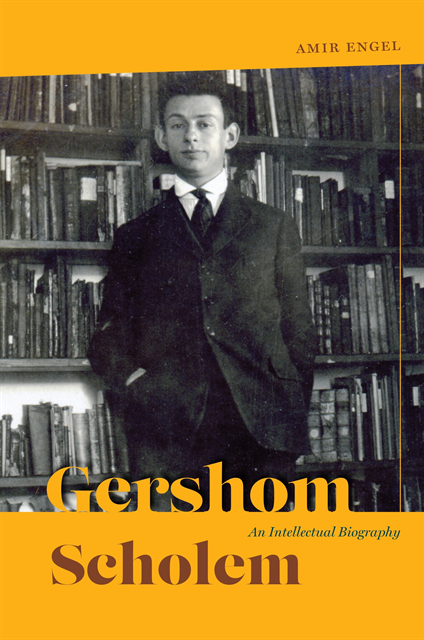
Gershom Scholem
An Intellectual Biography
Av Amir Engel
E-bok, 2017
630 kr
Lägg i varukorg
Gershom Scholem (1897–1982) was ostensibly a scholar of Jewish mysticism, yet he occupies a powerful role in today’s intellectual imagination, having influential contact with an extraordinary cast of thinkers, including Hans Jonas, Martin Buber, Walter Benjamin, Hannah Arendt, and Theodor Adorno. …
Gershom Scholem
An Intellectual Biography
Av Amir Engel
Häftad, 2019
299 kr
Lägg i varukorg
Gershom Scholem (1897-1982) was ostensibly a scholar of Jewish mysticism, yet he occupies a powerful role in today's intellectual imagination, having an influential contact with an extraordinary cast of thinkers, including Hans Jonas, Martin Buber, Walter Benjamin, Hannah Arendt, and Theodor …
Spirit and Folk
Jewish Mysticism and the Struggle for German Nationhood
Av Amir Engel
Inbunden, 2027
994 kr
Kommande
A study of the twentieth-century construction of a Jewish mystical tradition by German Jewish intellectuals.For most of European history, the notion of Jewish spirituality was unthinkable—buried beneath a pervasive desire to understand Judaism as uniquely material and Christianity as uniquely …
Spirit and Folk
Jewish Mysticism and the Struggle for German Nationhood
Av Amir Engel
Häftad, 2027
265 kr
Kommande
A study of the twentieth-century construction of a Jewish mystical tradition by German Jewish intellectuals.For most of European history, the notion of Jewish spirituality was unthinkable—buried beneath a pervasive desire to understand Judaism as uniquely material and Christianity as uniquely …
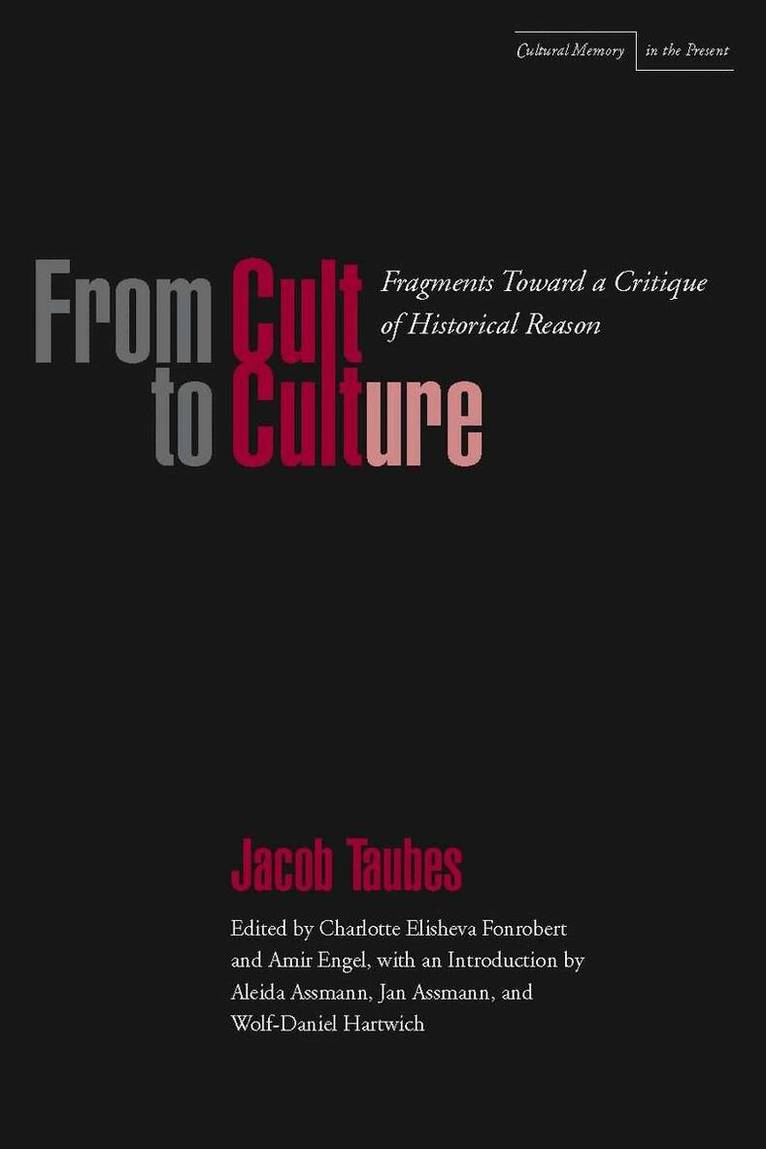
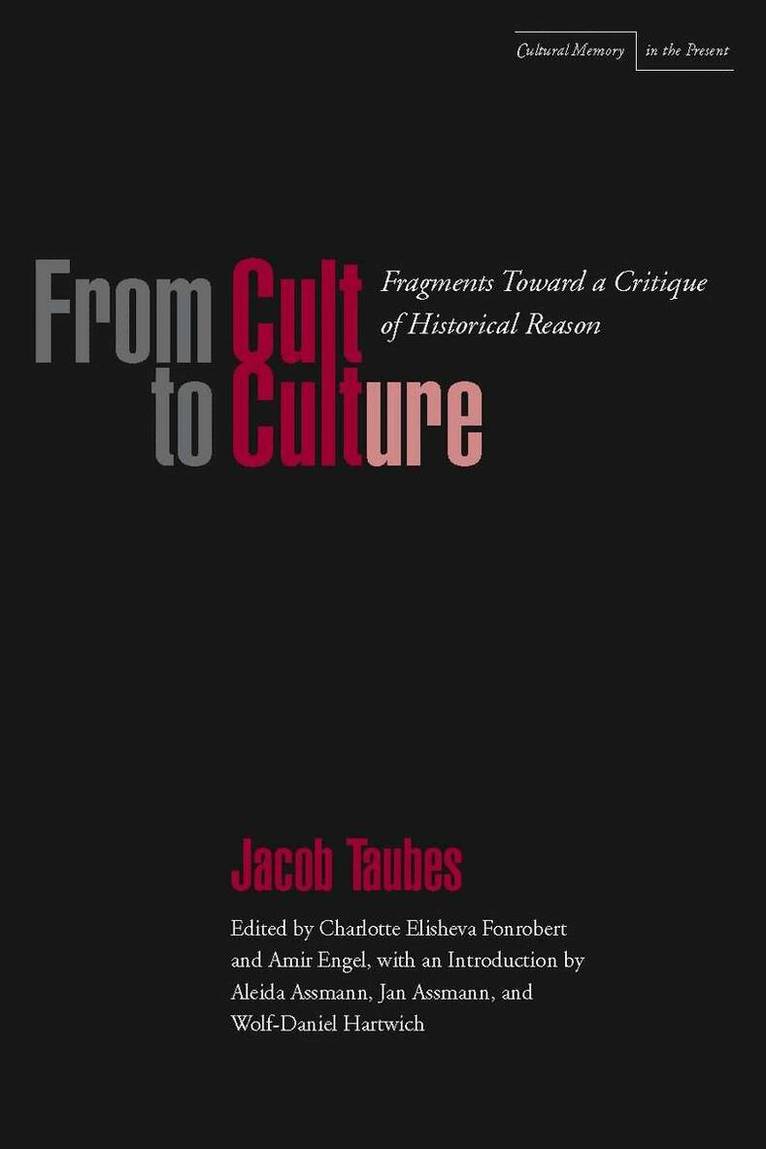
From Cult to Culture
Fragments Toward a Critique of Historical Reason
Av Jacob Taubes, Charlotte Elisheva Fonrobert m. fl.
Inbunden, 2009
1246 kr
Lägg i varukorg
After launching his career with the 1947 publication of his dissertation, Occidental Eschatology, Jacob Taubes spent the early years of his career as a fellow and then professor at various American institutions, including Harvard, Princeton, and Columbia. During his American years, he also gathered …
From Cult to Culture
Fragments Toward a Critique of Historical Reason
Av Jacob Taubes, Charlotte Elisheva Fonrobert m. fl.
Häftad, 2009
300 kr
Lägg i varukorg
After launching his career with the 1947 publication of his dissertation, Occidental Eschatology, Jacob Taubes spent the early years of his career as a fellow and then professor at various American institutions, including Harvard, Princeton, and Columbia. During his American years, he also gathered …