Ângela Fernandes - Böcker
Visar alla böcker från författaren Ângela Fernandes. Handla med fri frakt och snabb leverans.
3 produkter
3 produkter
Del 23 - Contemporary Hispanic and Lusophone Cultures
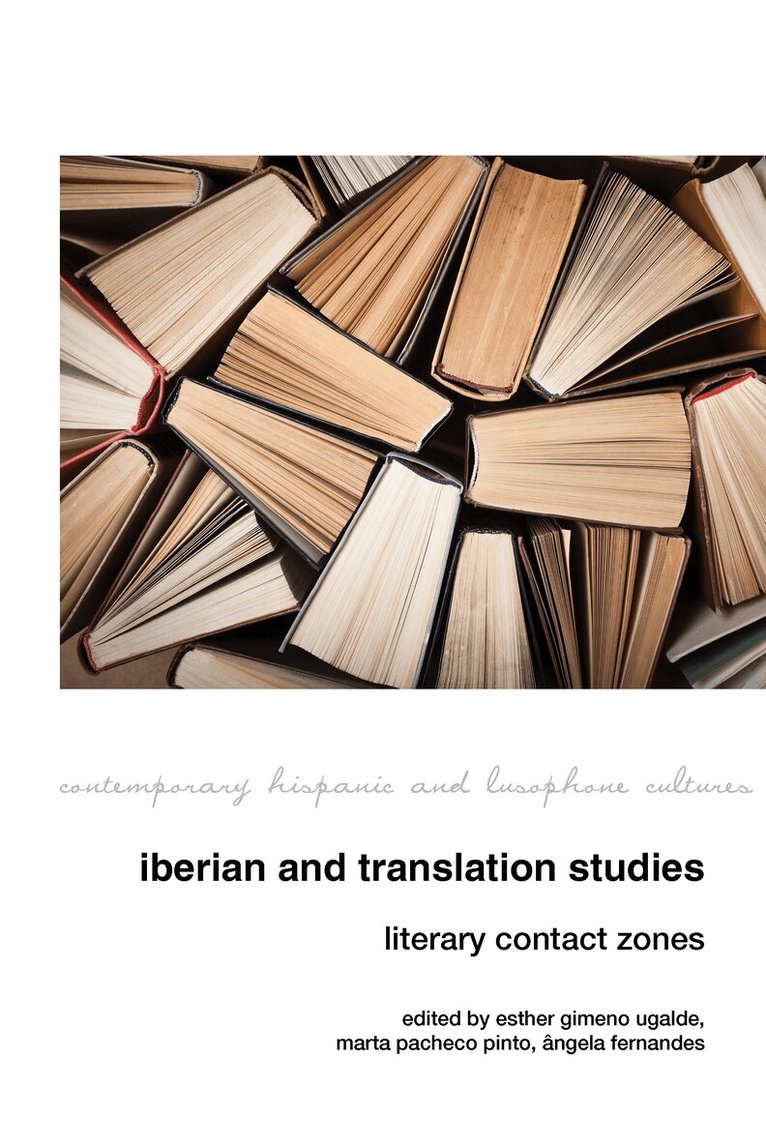
Iberian and Translation Studies
Literary Contact Zones
Inbunden, Engelska, 2021
648 kr
Skickas
Iberian and Translation Studies: Literary Contact Zones offers fertile reflection on the dynamics of linguistic diversity and multifaceted literary translation flows taking place across the Iberian Peninsula. Drawing on cutting-edge theoretical perspectives and on a historically diverse body of case studies, the volume’s sixteen chapters explore the key role of translation in shaping interliterary relations and cultural identities within Iberia. Mary Louise Pratt’s contact zone metaphor is used as an overarching concept to approach Iberia as a translation(al) space where languages and cultural systems (Basque, Catalan, Galician, Portuguese, and Spanish) set up relationships either of conflict, coercion, and resistance or of collaboration, hospitality, and solidarity.In bringing together a variety of essays by multilingual scholars whose conceptual and empirical research places itself at the intersection of translation and literary Iberian studies, the book opens up a new interdisciplinary field of enquiry: Iberian translation studies. This allows for a renewed study of canonical authors such as Joan Maragall, Fernando Pessoa, Camilo José Cela, and Bernardo Atxaga, and calls attention to emerging bilingual contemporary voices. In addition to addressing understudied genres (the entremez and the picaresque novel) and the phenomena of self-translation, indirect translation, and collaborative translation, the book provides fresh insights into Iberian cultural agents, mediators, and institutions.
Del 23 - Contemporary Hispanic and Lusophone Cultures
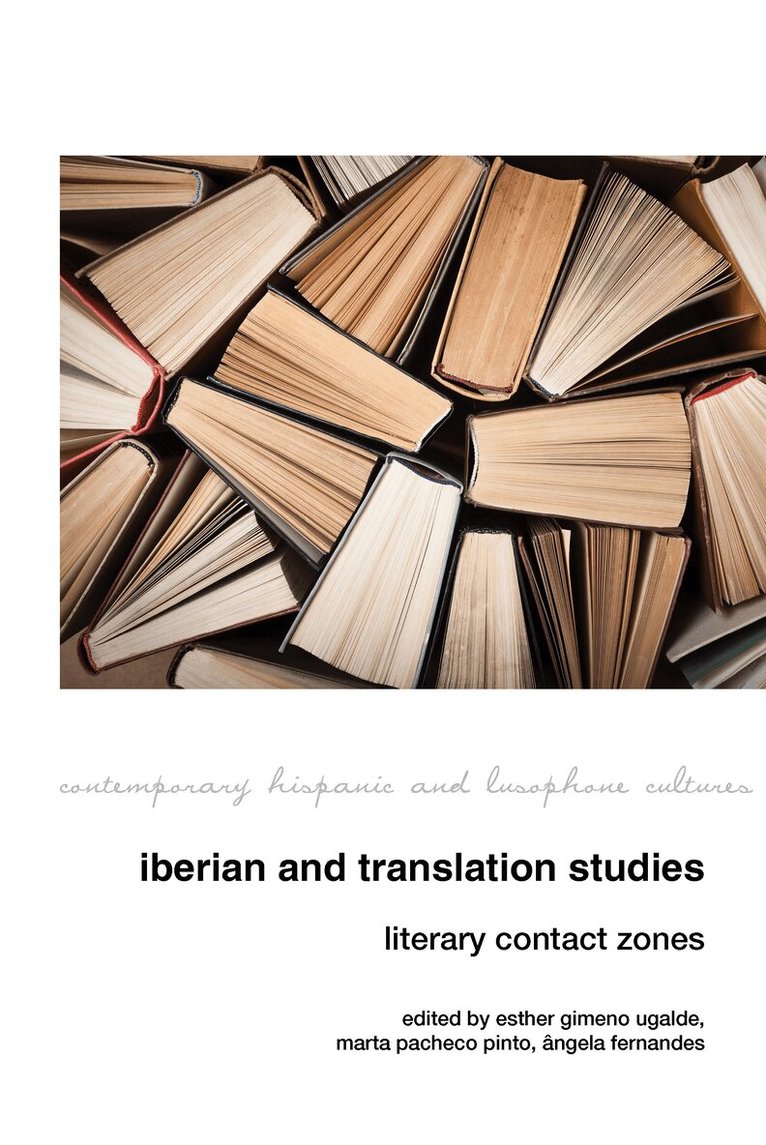
Iberian and Translation Studies
Literary Contact Zones
Häftad, Engelska, 2024
577 kr
Skickas inom 7-10 vardagar
Iberian and Translation Studies: Literary Contact Zones offers fertile reflection on the dynamics of linguistic diversity and multifaceted literary translation flows taking place across the Iberian Peninsula. Drawing on cutting-edge theoretical perspectives and on a historically diverse body of case studies, the volume’s sixteen chapters explore the key role of translation in shaping interliterary relations and cultural identities within Iberia. Mary Louise Pratt’s contact zone metaphor is used as an overarching concept to approach Iberia as a translation(al) space where languages and cultural systems (Basque, Catalan, Galician, Portuguese, and Spanish) set up relationships either of conflict, coercion, and resistance or of collaboration, hospitality, and solidarity.In bringing together a variety of essays by multilingual scholars whose conceptual and empirical research places itself at the intersection of translation and literary Iberian studies, the book opens up a new interdisciplinary field of enquiry: Iberian translation studies. This allows for a renewed study of canonical authors such as Joan Maragall, Fernando Pessoa, Camilo José Cela, and Bernardo Atxaga, and calls attention to emerging bilingual contemporary voices. In addition to addressing understudied genres (the entremez and the picaresque novel) and the phenomena of self-translation, indirect translation, and collaborative translation, the book provides fresh insights into Iberian cultural agents, mediators, and institutions.
Del 56 - Hispanic Studies: Culture and Ideas
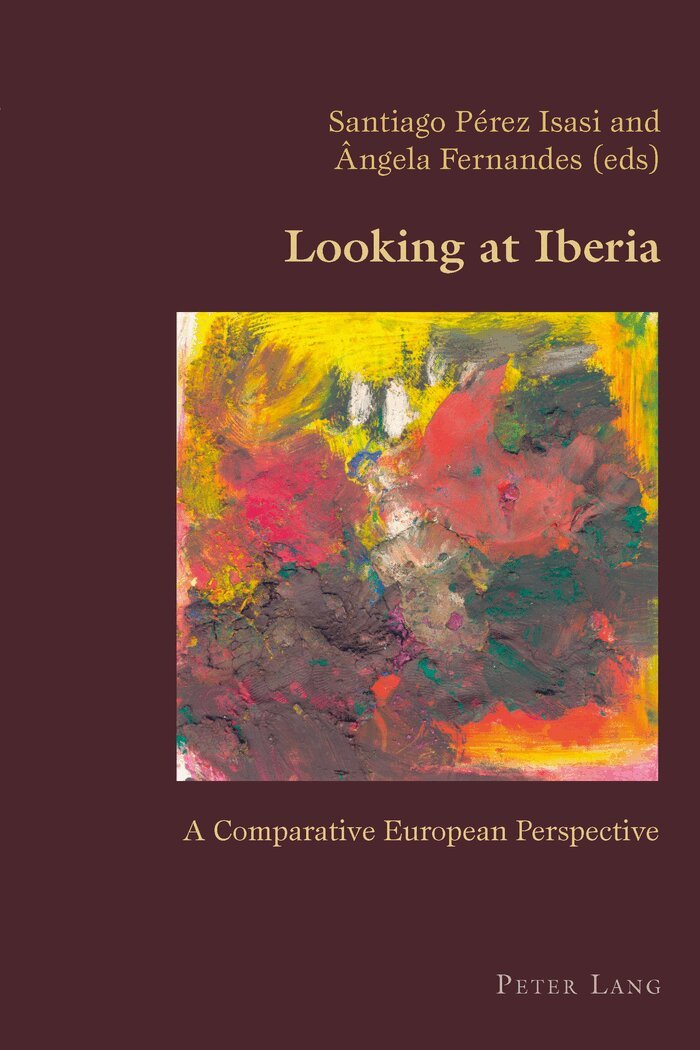
Looking at Iberia
A Comparative European Perspective
Häftad, Engelska, 2013
875 kr
Skickas inom 5-8 vardagar
This collection of new essays by scholars from across Europe focuses on the key theoretical and historical questions within the rapidly growing field of Iberian studies, which is taken by the authors to mean the methodological consideration of the Iberian peninsula as a complex and multilingual cultural and literary system. Dealing with a wide range of issues and cultural output from a comparative European perspective, the essays question the concept of ‘Iberian’ itself, query its suitability as a starting point for academic research and consider it in relation to other more established concepts and identities, such as Spanish, Portuguese, Catalan, Basque and Galician, as well as wider European and Western identities. The contributors examine the relationship between the reality of ‘Iberia’ and the mythical, historical and artistic narratives created to support or represent this collective identity, with a particular focus on the period from the nineteenth century to the present day.