Ardeth Maung Thawnghmung - Böcker
Visar alla böcker från författaren Ardeth Maung Thawnghmung. Handla med fri frakt och snabb leverans.
9 produkter
9 produkter
883 kr
Skickas inom 10-15 vardagar
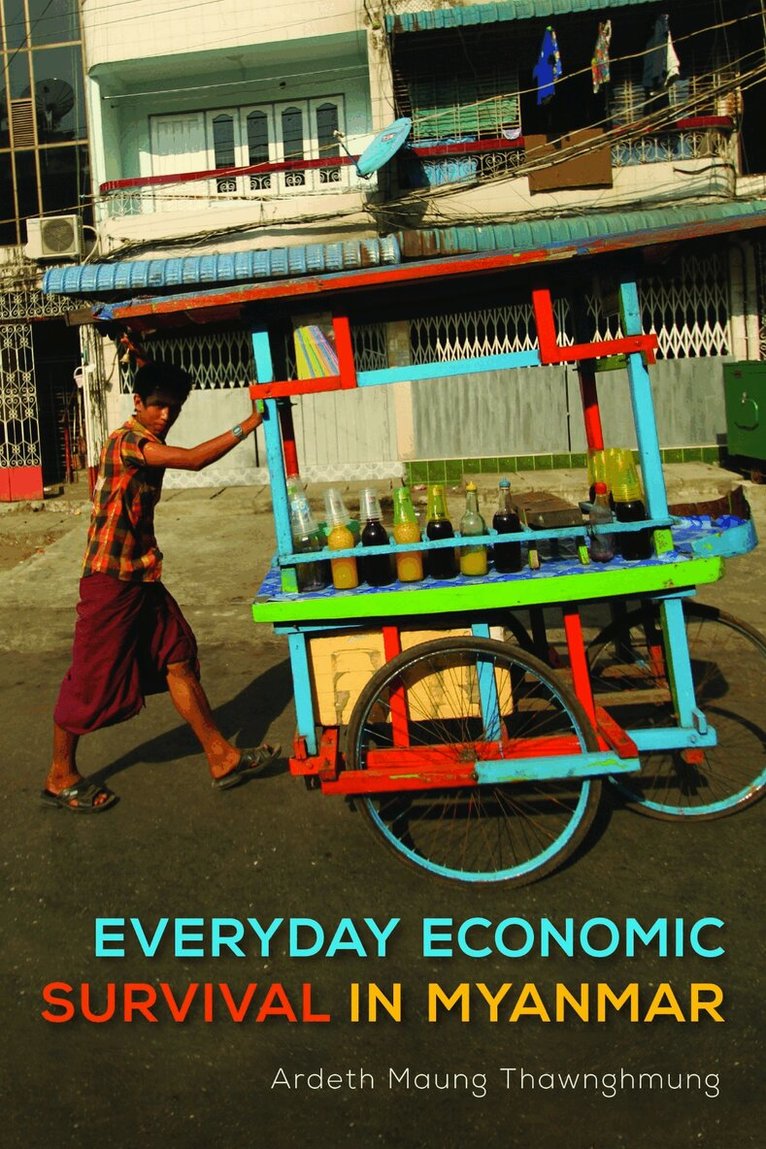
Reforms in Myanmar (formerly Burma) have eased restrictions on citizens' political activities. Yet for most Burmese, Ardeth Maung Thawnghmung shows, eking out a living from day to day leaves little time for civic engagement. Citizens have coped with extreme hardship through great resourcefulness. But by making bad situations more tolerable in the short term, these coping strategies may hinder the emergence of the democratic values needed to sustain the country's transition to a more open political environment.Thawnghmung conducted in-depth interviews and surveys of 372 individuals from all walks of life and across geographical locations in Myanmar between 2008 and 2015. To frame her analysis, she provides context from countries with comparable political and economic situations. Her findings will be welcomed by political scientists and policy analysts, as well by journalists and humanitarian activists looking for substantive, reliable information about everyday life in a country that remains largely in the shadows.
322 kr
Skickas inom 10-15 vardagar
Reforms in Myanmar (formerly Burma) have eased restrictions on citizens' political activities. Yet for most Burmese, Ardeth Maung Thawnghmung shows, eking out a living from day to day leaves little time for civic engagement. Citizens have coped with extreme hardship through great resourcefulness. But by making bad situations more tolerable in the short term, these coping strategies may hinder the emergence of the democratic values needed to sustain the country's transition to a more open political environment.Thawnghmung conducted in-depth interviews and surveys of 372 individuals from all walks of life and across geographical locations in Myanmar between 2008 and 2015. To frame her analysis, she provides context from countries with comparable political and economic situations. Her findings will be welcomed by political scientists and policy analysts, as well by journalists and humanitarian activists looking for substantive, reliable information about everyday life in a country that remains largely in the shadows.
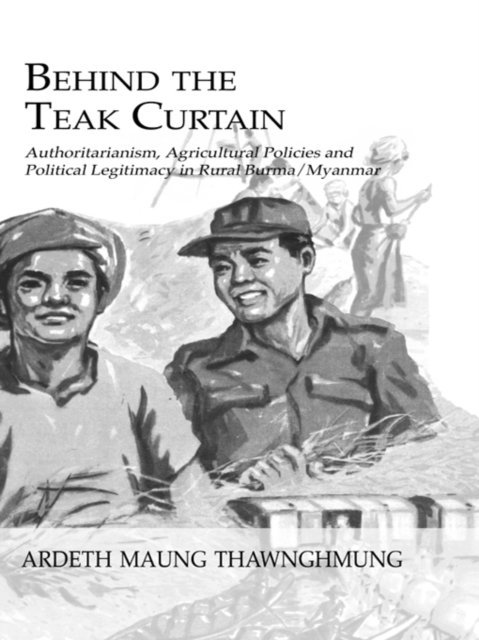
Behind The Teak Curtain
Authoritarianism, Agricultural Policies and Political Legitimacy in Rural Burma/Myanmar
Inbunden, Engelska, 2006
2 118 kr
Skickas inom 10-15 vardagar
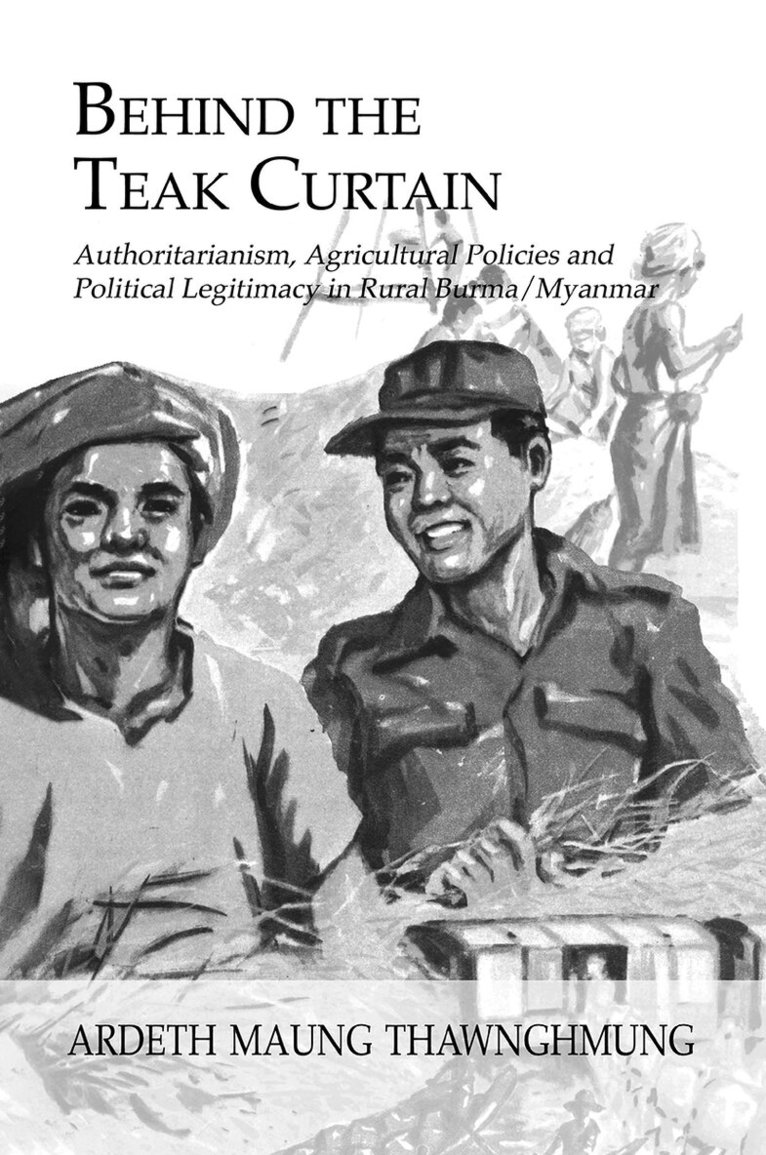
First published in 2006. Behind the Teak Curtain, the first fieldwork-based study of Burmese rural politics and development, examines the specific circumstances under which one of the most repressive and authoritative governments in the world enjoys popularity in the countryside. The book analyzes four different agricultural policies that have been implemented under the Burmese military regime since 1978, and examines their consequential and varying impacts on rice farmers' attitudes toward central and local authorities. Behind the Teak Curtain provides first-hand information on Burmese rice farmers' conceptualization of political legitimacy, their political goals and priorities, and their relationships with central government authorities and local officials. This work seeks to challenge conventional studies on Burma, which focus on the behavior and actions of the military elite in Rangoon and treat the military regime as a unitary actor. It will be shown how and why the same autocratic and repressive military leaders who are perceived by a particular sector of the population as illegitimate may, at the same time, be favorably seen and accepted by another group of citizens. Finally, this study draws out the implications of these findings for other authoritarian governments in developing societies. It will demonstrate a more comprehensive foundation of legitimacy in authoritarian countries by highlighting the varying perceptions and attitudes in society toward central government authorities, toward local officials, and the different bases of legitimacy enjoyed by these two different levels of authority. Behind the Teak Curtain will interest anthropologists, sociologists, and historians interested in agrarian communities including peasant culture and political attitudes, particularly those with interest in Burma and Southeast Asia. This book is also targeted at agricultural economists and development theorists who are concerned with agricultural promotion and rural development. It sheds light on the problems inherent in the administrative structure of the military government, and how they hamper effective implementation of agricultural policies. Finally, this project will provide a comparative case study for those who study authoritarian regimes, military governments, and Third World countries.
928 kr
Skickas inom 3-6 vardagar
The “Other” Karen in Myanmar looks at the “other” or “quiet” minorities, who are members of ethnic groups associated with well-known armed resistance organizations, but who pursued non-violent approaches to promote their individual and collective interests. This is the first in-depth study to uncover the existence and activities of the “other” Karen and analyze the nature of relationships with their “rebel” counterparts and the state authorities. It also discusses other ethnic armed organizations that have experienced similar situations and assesses their implications for inter-ethnic relations, negotiations with state authorities and political reform. Most previous studies have focused on violent aspects of ethnic relations and on ethnic armed organizations, such as the Karen National Union (KNU) in Burma, the Moro Islamic Liberation Front (MNLF) in the Philippines, and the LTTE in Sri Lanka. However, even among these minorities which are locked in armed conflicts, the majority of people have shunned armed resistance and sought to remain ‘quietly’ beyond the struggle and pursued non-violent approaches to promote their individual and collective interests in the face of authoritarian, governments. This study, which sheds light on the lives and growing political significance of non-armed, non-insurgent members of ethnic minorities in Burma, draws heavily on opinion surveys and open-ended interviews among Karen diaspora (among individuals who lived a minimum of 20 years in Burma), “quiet Karens” who live inside Burma, KNU officials, personnel, and soldiers, and Karen refugees and IDPs who are currently living in Thai-Burma border areas. These interviews, which covered approximately two hundred respondents, have been conducted since 2002. It is mainly directed toward social scientists, historians, humanitarian workers, policy makers, and practitioners, and non-specialist ordinary audience who are interested in Southeast Asian/Burmese politics and society, comparative politics, identity politics, ethnic conflict, social movements, conflict resolution, and political reform.
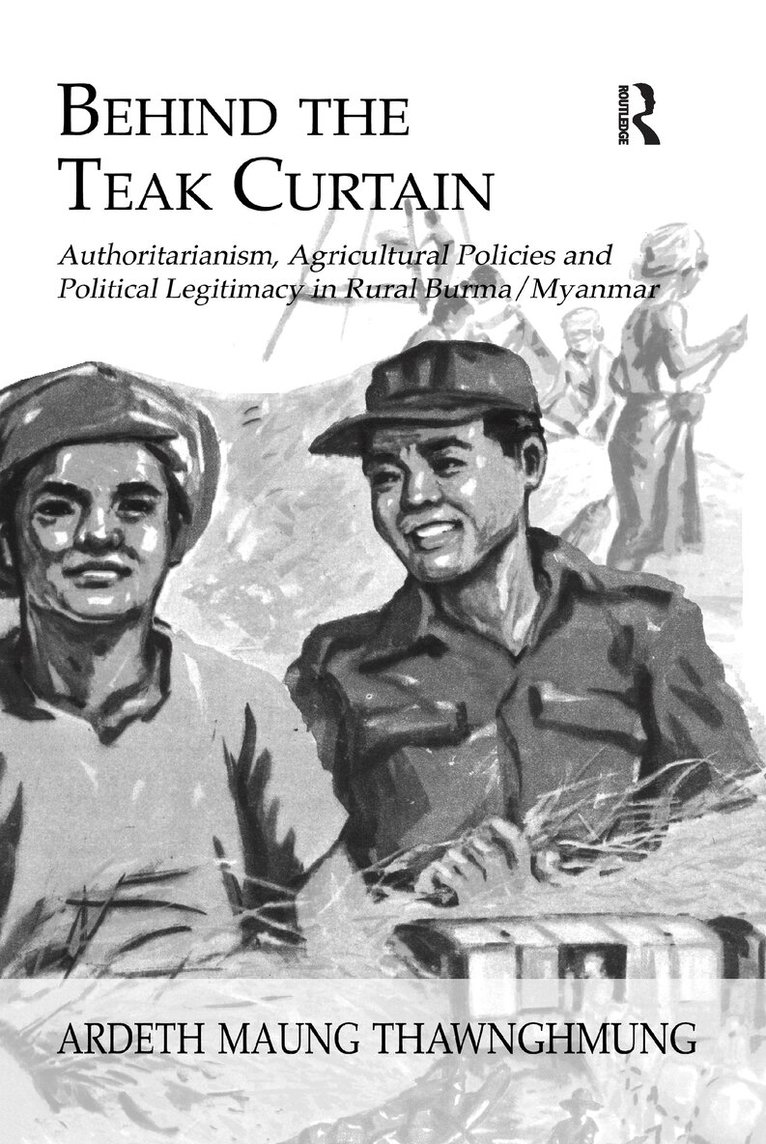
Behind The Teak Curtain
Authoritarianism, Agricultural Policies and Political Legitimacy in Rural Burma/Myanmar
Häftad, Engelska, 2016
439 kr
Skickas inom 10-15 vardagar
First published in 2006. Behind the Teak Curtain, the first fieldwork-based study of Burmese rural politics and development, examines the specific circumstances under which one of the most repressive and authoritative governments in the world enjoys popularity in the countryside. The book analyzes four different agricultural policies that have been implemented under the Burmese military regime since 1978, and examines their consequential and varying impacts on rice farmers' attitudes toward central and local authorities. Behind the Teak Curtain provides first-hand information on Burmese rice farmers' conceptualization of political legitimacy, their political goals and priorities, and their relationships with central government authorities and local officials. This work seeks to challenge conventional studies on Burma, which focus on the behavior and actions of the military elite in Rangoon and treat the military regime as a unitary actor. It will be shown how and why the same autocratic and repressive military leaders who are perceived by a particular sector of the population as illegitimate may, at the same time, be favorably seen and accepted by another group of citizens. Finally, this study draws out the implications of these findings for other authoritarian governments in developing societies. It will demonstrate a more comprehensive foundation of legitimacy in authoritarian countries by highlighting the varying perceptions and attitudes in society toward central government authorities, toward local officials, and the different bases of legitimacy enjoyed by these two different levels of authority. Behind the Teak Curtain will interest anthropologists, sociologists, and historians interested in agrarian communities including peasant culture and political attitudes, particularly those with interest in Burma and Southeast Asia. This book is also targeted at agricultural economists and development theorists who are concerned with agricultural promotion and rural development. It sheds light on the problems inherent in the administrative structure of the military government, and how they hamper effective implementation of agricultural policies. Finally, this project will provide a comparative case study for those who study authoritarian regimes, military governments, and Third World countries.
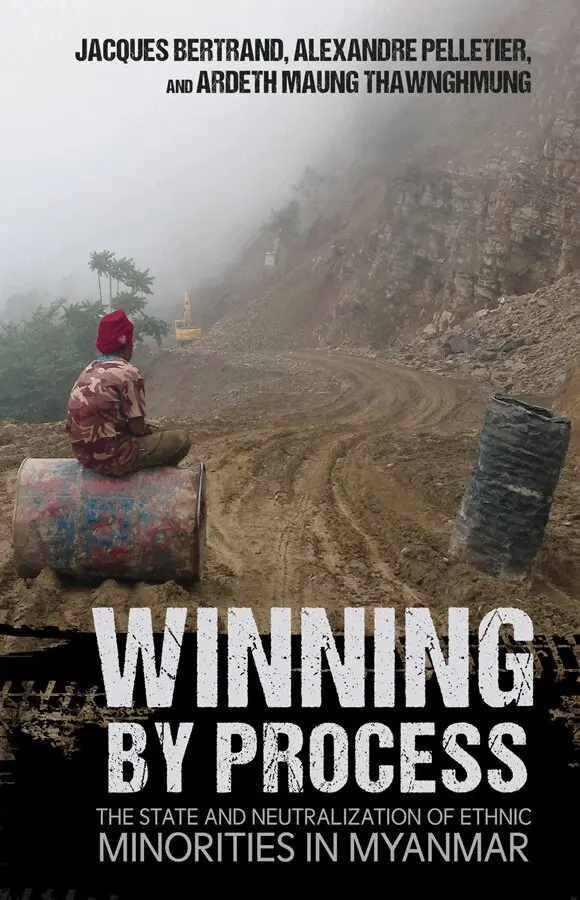
Winning by Process
The State and Neutralization of Ethnic Minorities in Myanmar
Inbunden, Engelska, 2022
1 594 kr
Skickas inom 10-15 vardagar
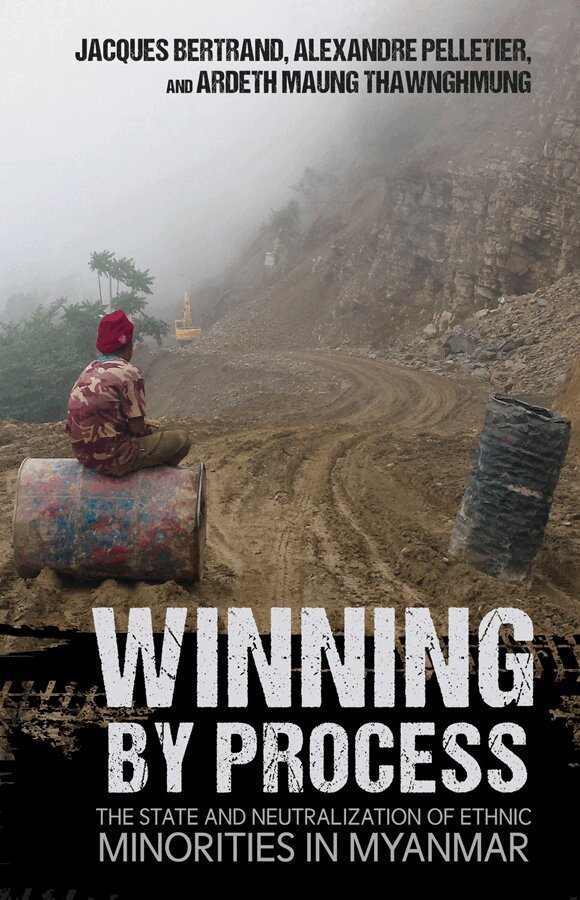
Winning by Process asks why the peace process stalled in the decade from 2011 to 2021 despite a liberalizing regime, a national ceasefire agreement, and a multilateral peace dialogue between the state and ethnic minorities. Winning by Process argues that stalled conflicts are more than pauses or stalemates. "Winning by process," as opposed to winning by war or agreement, represents the state's ability to gain advantage by manipulating the rules of negotiation, bargaining process, and sites of power and resources. In Myanmar, five such strategies allowed the state to gain through process: locking in, sequencing, layering, outflanking, and outgunning. The Myanmar case shows how process can shift the balance of power in negotiations intended to bring an end to civil war. During the last decade, the Myanmar state and military controlled the process, neutralized ethnic minority groups, and continued to impose their vision of a centralized state even as they appeared to support federalism.
Winning by Process
The State and Neutralization of Ethnic Minorities in Myanmar
Häftad, Engelska, 2022
349 kr
Skickas inom 10-15 vardagar
Winning by Process asks why the peace process stalled in the decade from 2011 to 2021 despite a liberalizing regime, a national ceasefire agreement, and a multilateral peace dialogue between the state and ethnic minorities. Winning by Process argues that stalled conflicts are more than pauses or stalemates. "Winning by process," as opposed to winning by war or agreement, represents the state's ability to gain advantage by manipulating the rules of negotiation, bargaining process, and sites of power and resources. In Myanmar, five such strategies allowed the state to gain through process: locking in, sequencing, layering, outflanking, and outgunning. The Myanmar case shows how process can shift the balance of power in negotiations intended to bring an end to civil war. During the last decade, the Myanmar state and military controlled the process, neutralized ethnic minority groups, and continued to impose their vision of a centralized state even as they appeared to support federalism.
130 kr
Skickas inom 10-15 vardagar
This study analyzes the various types and stages of conflict that have been experienced by diverse groups and generations of Karen over the six decades of armed conflict between the Karen National Union (KNU) and successive Burmese governments. Instead of focusing on those who are internally displaced, those in the refugee camps on the Thai-Burma border or living abroad, or those in the KNU, it places particular emphasis on the 'other' Karen - the majority segment of the Karen population living inside Burma - a population that has hitherto received little scholarly and journalistic attention. It also assesses the Karen people's varied attitudes towards a number of political organizations that claim to represent their interests, towards successive Burmese military regimes, and towards the political issues that led to the original divide between the 'accommodators' and 'rebels'. This study argues that the lifestyles and strategies that the Karens have pursued are diverse and not confined to armed resistance. Acknowledging these multiple voices will not only shed light upon the many positive features of ethnic interactions, including harmonious communal relationships and significant attempts to promote peace and stability by encouraging 'normal' activities and routines in both peaceful and war-torn areas; it will also help to identify policy recommendations for future ceasefire negotiations and a possible long-term political settlement within the context of a militarised Burma.
94 kr
Skickas inom 11-20 vardagar
A variety of governance forms have emerged in Myanmar’s post-coup landscape, bringing together established Ethnic Armed Organizations (EAOs) with dynamic new actors from a broad spectrum of elected lawmakers, youth, women and civil society in Myanmar’s “Spring Revolution” against the 2021 coup and military rule.