Carol Tulloch - Böcker
Visar alla böcker från författaren Carol Tulloch. Handla med fri frakt och snabb leverans.
5 produkter
5 produkter
665 kr
Skickas inom 10-15 vardagar
This book offers an interdisciplinary analysis of the social practice of taste in the wake of Pierre Bourdieu’s sociology of taste. For the first time, this book unites sociologists and other social scientists with artists and curators, art theorists and art educators, and art, design and cultural historians who engage with the practice of taste as it relates to encounters with art, cultural institutions and the practices of everyday life, in national and transnational contexts.The volume is divided into four sections. The first section on ‘Taste and art’, shows how art practice was drawn into the sphere of ‘good taste’, contrasting this with a post-conceptualist critique that offers a challenge to the social functions of good taste through an encounter with art. The next section on ‘Taste making and the museum’ examines the challenges and changing social, political and organisational dynamics propelling museums beyond the terms of a supposedly universal institution and language of taste. The third section of the book, ‘Taste after Bourdieu in Japan’ offers a case study of the challenges to the cross-cultural transmission and local reproduction of ‘good taste’, exemplified by the complex cultural context of Japan. The final section on ‘Taste, the home and everyday life’ juxtaposes the analysis of the reproduction of inequality and alienation through taste, with arguments on how the legacy of ideas of ‘good taste’ have extended the possibilities of experience and sharpened our consciousness of identity.As the first book to bring together arts practitioners and theorists with sociologists and other social scientists to examine the legacy and continuing validity of Pierre Bourdieu’s sociology of taste, this publication engages with the opportunities and problems involved in understanding the social value and the cultural dispositions of taste ‘after Bourdieu’. It does so at a moment when the practice of taste is being radically changed by the globa
2 113 kr
Skickas inom 10-15 vardagar
This book offers an interdisciplinary analysis of the social practice of taste in the wake of Pierre Bourdieu’s sociology of taste. For the first time, this book unites sociologists and other social scientists with artists and curators, art theorists and art educators, and art, design and cultural historians who engage with the practice of taste as it relates to encounters with art, cultural institutions and the practices of everyday life, in national and transnational contexts.The volume is divided into four sections. The first section on ‘Taste and art’, shows how art practice was drawn into the sphere of ‘good taste’, contrasting this with a post-conceptualist critique that offers a challenge to the social functions of good taste through an encounter with art. The next section on ‘Taste making and the museum’ examines the challenges and changing social, political and organisational dynamics propelling museums beyond the terms of a supposedly universal institution and language of taste. The third section of the book, ‘Taste after Bourdieu in Japan’ offers a case study of the challenges to the cross-cultural transmission and local reproduction of ‘good taste’, exemplified by the complex cultural context of Japan. The final section on ‘Taste, the home and everyday life’ juxtaposes the analysis of the reproduction of inequality and alienation through taste, with arguments on how the legacy of ideas of ‘good taste’ have extended the possibilities of experience and sharpened our consciousness of identity.As the first book to bring together arts practitioners and theorists with sociologists and other social scientists to examine the legacy and continuing validity of Pierre Bourdieu’s sociology of taste, this publication engages with the opportunities and problems involved in understanding the social value and the cultural dispositions of taste ‘after Bourdieu’. It does so at a moment when the practice of taste is being radically changed by the global expansion of cultural choices, and the emergence of deploying impersonal algorithms as solutions to cultural and creative decision-making.
363 kr
Skickas inom 7-10 vardagar
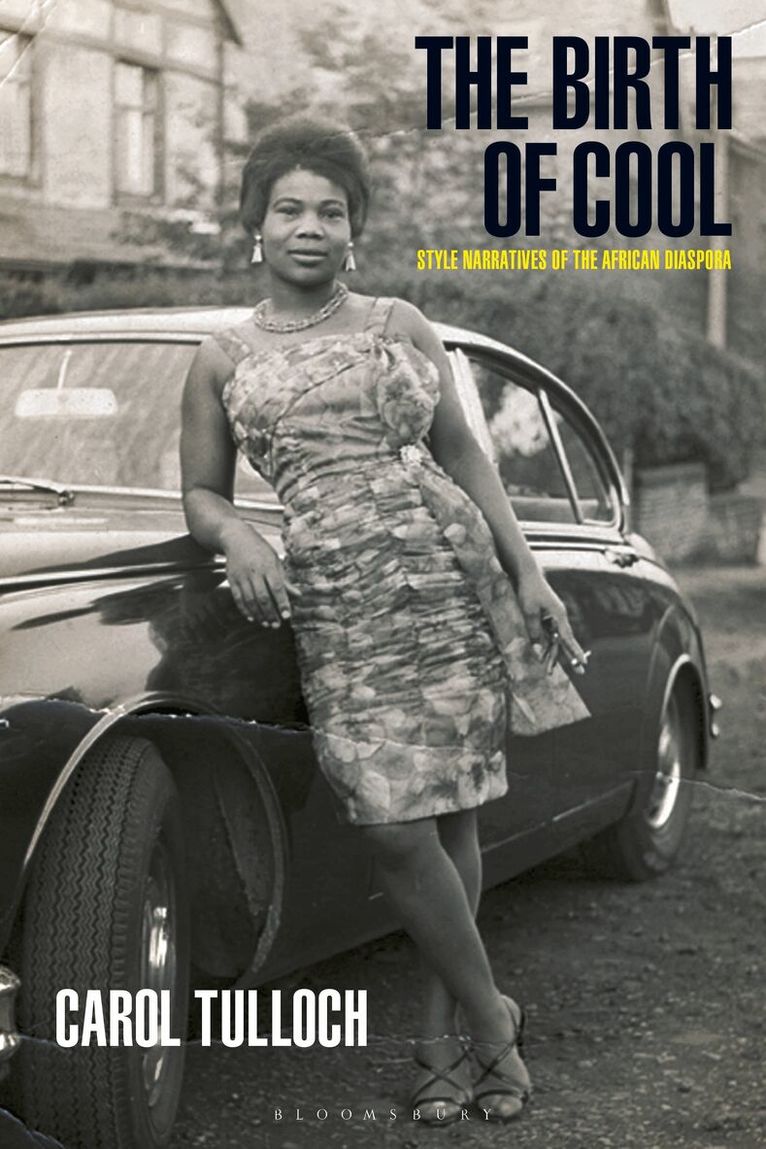
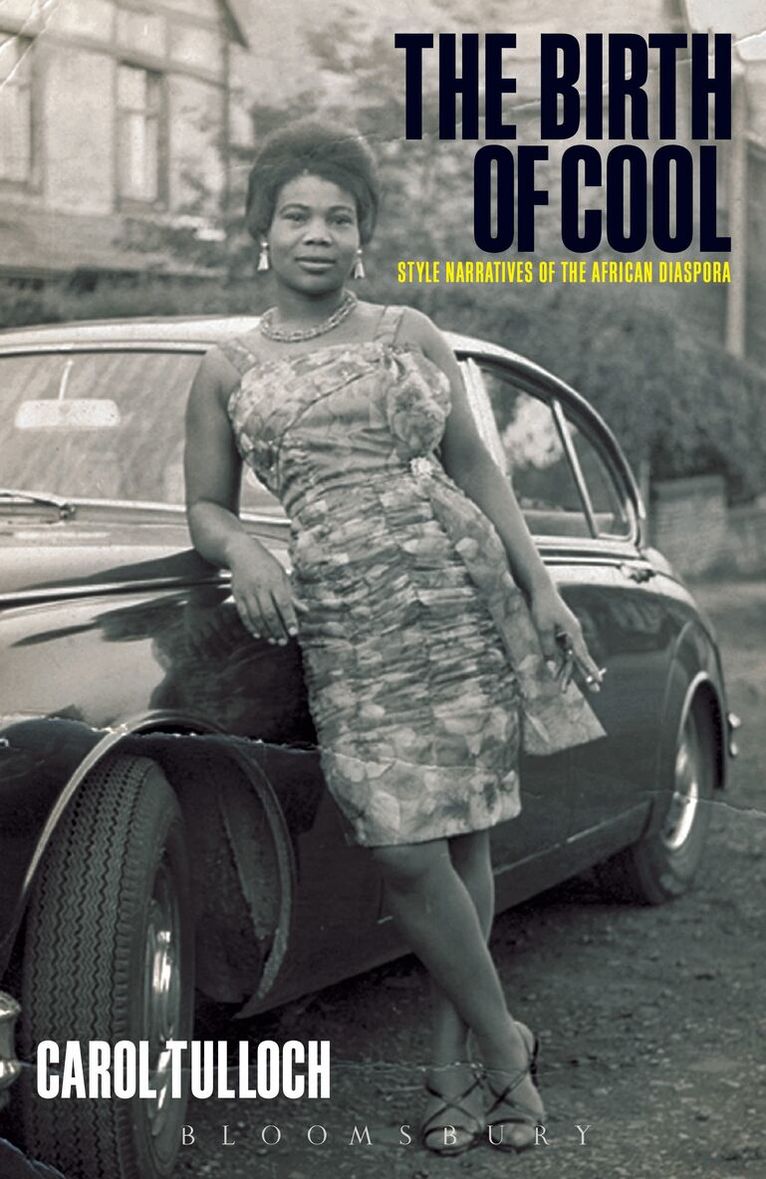
It is broadly recognized that black style had a clear and profound influence on the history of dress in the twentieth century, with black culture and fashion having long been defined as ‘cool’. Yet despite this high profile, in-depth explorations of the culture and history of style and dress in the African diaspora are a relatively recent area of enquiry. The Birth of Cool asserts that ‘cool’ is seen as an arbiter of presence, and relates how both iconic and ‘ordinary’ black individuals and groups have marked out their lives through the styling of their bodies.Focusing on counter- and sub-cultural contexts, this book investigates the role of dress in the creation and assertion of black identity. From the gardenia corsage worn by Billie Holiday to the work-wear of female African-Jamaican market traders, through to the home-dressmaking of black Britons in the 1960s, and the meaning of a polo-neck jumper as depicted in a 1934 self-portrait by African-American artist Malvin Gray Johnson, this study looks at the ways in which the diaspora experience is expressed through self-image.Spanning the late nineteenth century to the modern day, the book draws on ready-made and homemade fashion, photographs, paintings and films, published and unpublished biographies and letters from Britain, Jamaica, South Africa, and the United States to consider how personal style statements reflect issues of racial and cultural difference. The Birth of Cool is a powerful exploration of how style and dress both initiate and confirm change, and the ways in which they expresses identity and resistance in black culture.
1 343 kr
Skickas inom 10-15 vardagar
From the zoot suit and Black dandy through to Rastafarianism and beyond, Black style has had a profound influence on the history of dress in the twentieth century. Yet despite this high profile, the dress styles worn by men and women of the African diaspora have received scant attention, even though the culture itself has been widely documented from historical, sociological and political perspectives. Focusing on counter - and sub-cultural contexts, this book investigates the role of dress in the creation and assertion of Black identity. From the home-dressmaking of Jamaican women, through to the Harlem Renaissance and contemporary streetstyles such as Hip-Hop and Raggamuffin, Black Britons, African Americans and Jamaicans have been at the forefront of establishing a variety of Black identities. In their search for a self-image that expresses their diaspora experience, members of these groups have embraced the cultural shapers of modernity and postmodernity in their dress. Drawing on materials from the United States, Britain and Jamaica, this book fills a gap in both the history of Black culture and the history of dress, which has until recently focused on high fashion in Europe.Because dress can both initiate and confirm change, it provides an especially useful tool for analyzing identity and resistance.
251 kr
Skickas inom 3-6 vardagar