Charlotte Horlyck – författare
Visar alla böcker från författaren Charlotte Horlyck. Handla med fri frakt och snabb leverans.
3 produkter
3 produkter
2 196 kr
Skickas inom 10-15 vardagar
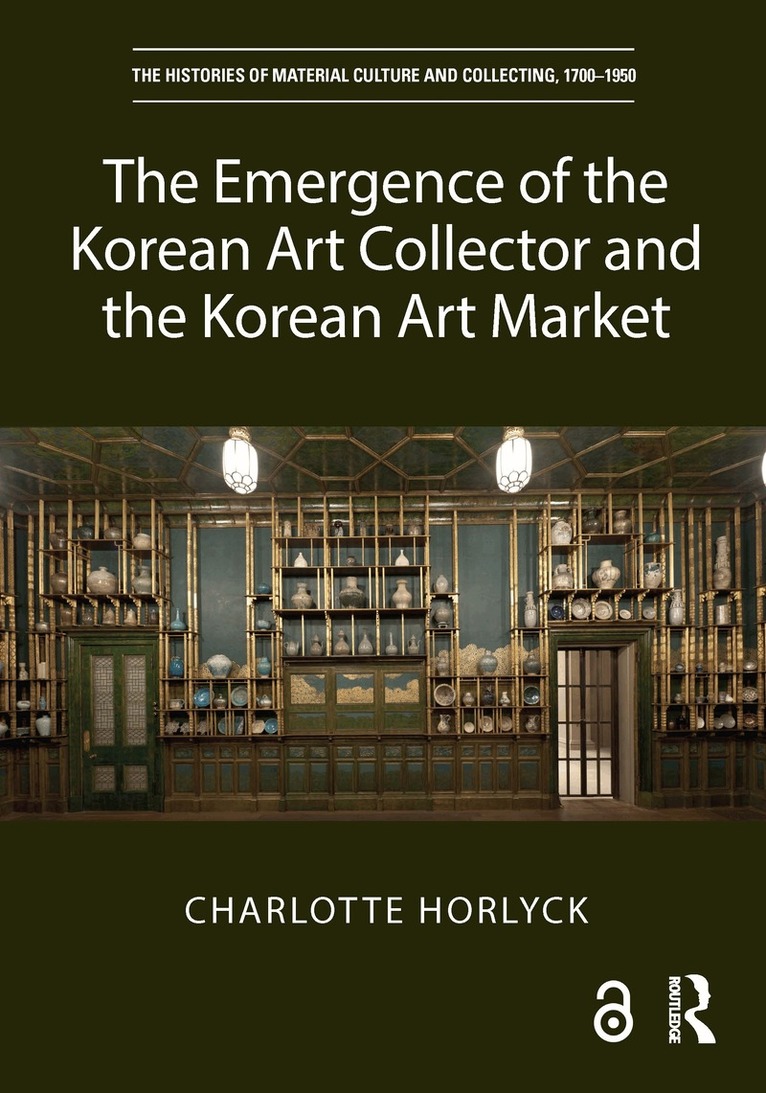
Articulating the shifting interests in Korean art and offering new ways of conceiving the biases that initiated and impacted its collecting, this book traces the rise of the modern Korean art market from its formative period in the 1870s through to its peak and subsequent decline in the 1930s.The discussion centres on the collecting of Koryŏ celadon ceramics as they formed the focal point of commercial exchanges of Korean artefacts and explores how their acquisition and ownership formed part of the complex power relationship that played out between the Koreans, Japanese, Americans, and Europeans. Drawing on a wide range of primary sources, the volume analyses collectors’ acquisition practices, arguing that their fascination with ceramics from the Koryŏ kingdom (918–1392) was shaped not only by the aesthetic appeal of the objects but also by biased perceptions of the Korean peninsula, its history, and people.The book will be of interest to scholars working in art history, social history, cultural history, Korean studies, collection studies, museum studies, Korean history, and Asian studies.The Open Access version of this book, available at www.taylorfrancis.com, has been made available under a Creative Commons Attribution-Non Commercial-No Derivatives (CC-BY-NC-ND) 4.0 license.
285 kr
Skickas inom 3-6 vardagar
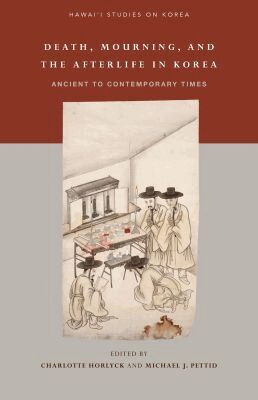
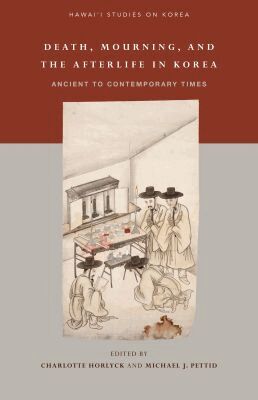
Death and the activities and beliefs surrounding it can teach us much about the ideals and cultures of the living. While biologically death is an end to physical life, this break is not quite so apparent in its mental and spiritual aspects. Indeed, the influence of the dead over the living is sometimes much greater than before death. This volume takes a multidisciplinary approach in an effort to provide a fuller understanding of both historic and contemporary practices linked with death in Korea. Contributors from Korea and the West incorporate the approaches of archaeology, history, literature, religion, and anthropology in addressing a number of topics organized around issues of the body, disposal of remains, ancestor worship and rites, and the afterlife. The first two chapters explore the ways in which bodies of the dying and the dead were dealt with from the Greater Silla Kingdom (668–935) to the mid-twentieth century. Grave construction and goods, cemeteries, and memorial monuments in the Koryo (918–1392) and the twentieth century are then discussed, followed by a consideration of ancestral rites and worship, which have formed an inseparable part of Korean mortuary customs since premodern times. Chapters address the need to appease the dead both in shamanic and Confucians contexts. The final section of the book examines the treatment of the dead and how the state of death has been perceived. Ghost stories provide important insight into how death was interpreted by common people in the Koryo and Choson (1392–1910) while nonconformist narratives of death such as the seventeenth-century romantic novel Kuunmong point to a clear conflict between Buddhist thought and practice and official Neo-Confucian doctrine. Keeping with unendorsed views on death, the final chapter explores how death and the afterlife were understood by early Korean Catholics of the eighteenth and nineteenth centuries.Death, Mourning, and the Afterlife in Korea fills a significant gap in studies on Korean society and culture as well as on East Asian mortuary practices. By approaching its topic from a variety of disciplines and extending its historical reach to cover both premodern and modern Korea, it is an important resource for scholars and students in a variety of fields.
522 kr
Skickas inom 5-8 vardagar
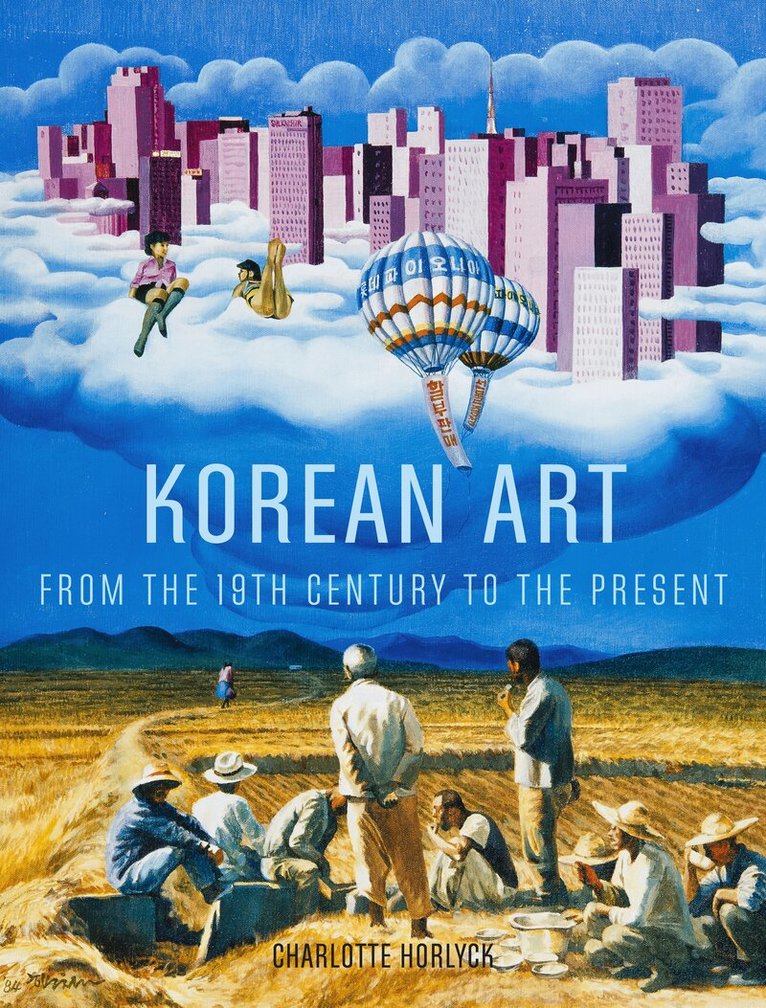
Korean artists are a permanent fixture on today’s international art scene, as interest in modern and contemporary art from South as well as North Korea has grown in strength. Museums and individual collectors eager to tap into this rising market are acquiring many more Korean artworks. But how are we to understand Korean art and its cultural significance? What has led to the formation of Korea’s cultural scene as we know it today, and what role have artists played in this process? These are some of the questions that frame the narrative in this richly illustrated history of Korean art from the late nineteenth century to the present day – a period which coincided with enormous and rapid political, social and economic change.From artists’ first encounters with oil paintings in the late nineteenth century to the varied and vibrant creative outputs of the 2000s, the book covers a critical and, from a cultural perspective, revolutionary period, signified by the breakdown of earlier artistic conventions and the rise of new art forms. Within this historical trajectory, Charlotte Horlyck explores artists’ interpretations of new and traditional art forms ranging from oil and ink paintings to video art, multi-media installations, ready-mades and performance, and their questions about the role of art and the artist’s position within society. This book will appeal equally to general and specialist readers wanting to explore this rich and fascinating epoch in Korea’s cultural history.