
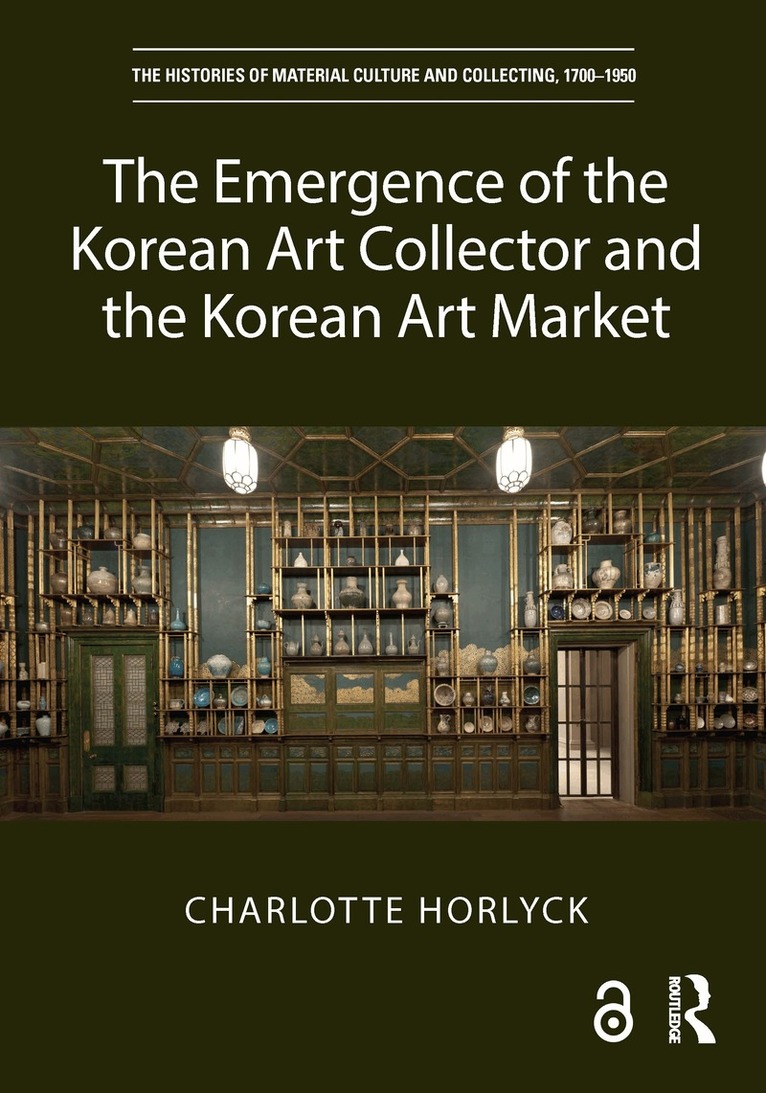
Emergence of the Korean Art Collector and the Korean Art Market
Inbunden, Engelska, 2024
2 538 kr
Beställningsvara. Skickas inom 10-15 vardagar. Fri frakt över 249 kr.
Fler format och utgåvor
Beskrivning
Articulating the shifting interests in Korean art and offering new ways of conceiving the biases that initiated and impacted its collecting, this book traces the rise of the modern Korean art market from its formative period in the 1870s through to its peak and subsequent decline in the 1930s.The discussion centres on the collecting of Koryŏ celadon ceramics as they formed the focal point of commercial exchanges of Korean artefacts and explores how their acquisition and ownership formed part of the complex power relationship that played out between the Koreans, Japanese, Americans, and Europeans. Drawing on a wide range of primary sources, the volume analyses collectors’ acquisition practices, arguing that their fascination with ceramics from the Koryŏ kingdom (918–1392) was shaped not only by the aesthetic appeal of the objects but also by biased perceptions of the Korean peninsula, its history, and people.The book will be of interest to scholars working in art history, social history, cultural history, Korean studies, collection studies, museum studies, Korean history, and Asian studies.The Open Access version of this book, available at www.taylorfrancis.com, has been made available under a Creative Commons Attribution-Non Commercial-No Derivatives (CC-BY-NC-ND) 4.0 license.
Produktinformation
Utforska kategorier
Mer om författaren
Innehållsförteckning
Hoppa över listan

Mer från samma serie
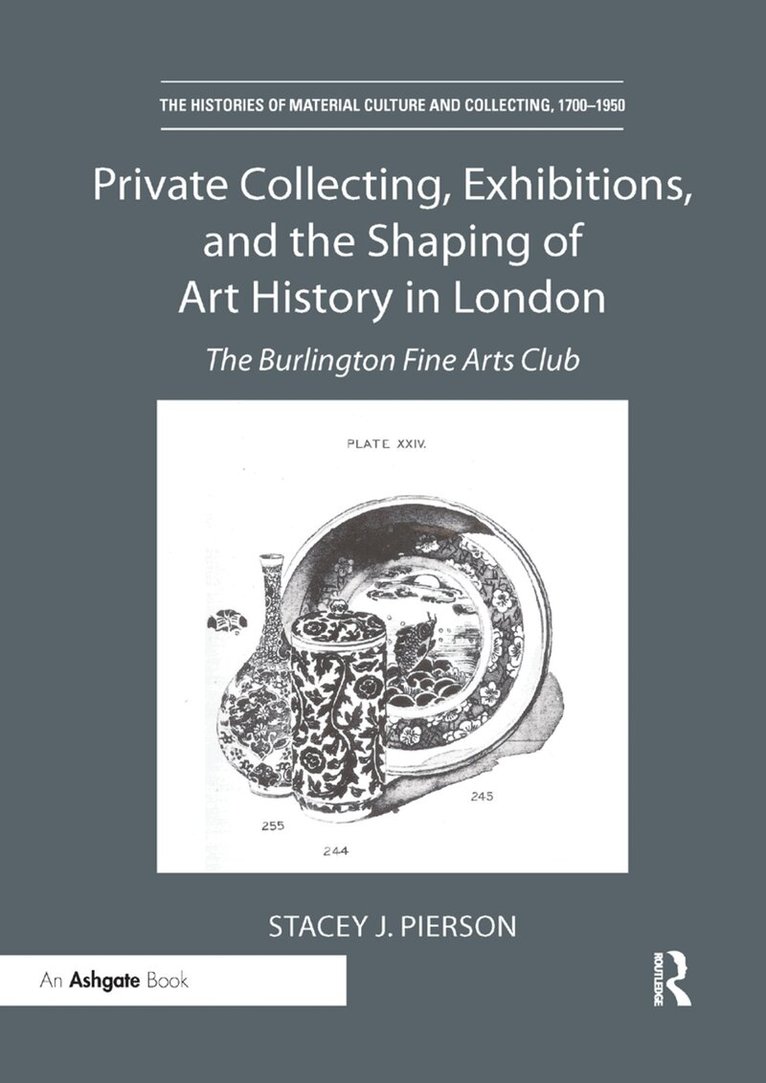
Private Collecting, Exhibitions, and the Shaping of Art History in London
Stacey J. Pierson
Häftad, 2019
772 kr
Women and the Art and Science of Collecting in Eighteenth-Century Europe
Arlene Leis, Kacie L. Wills
Häftad, 2022
713 kr
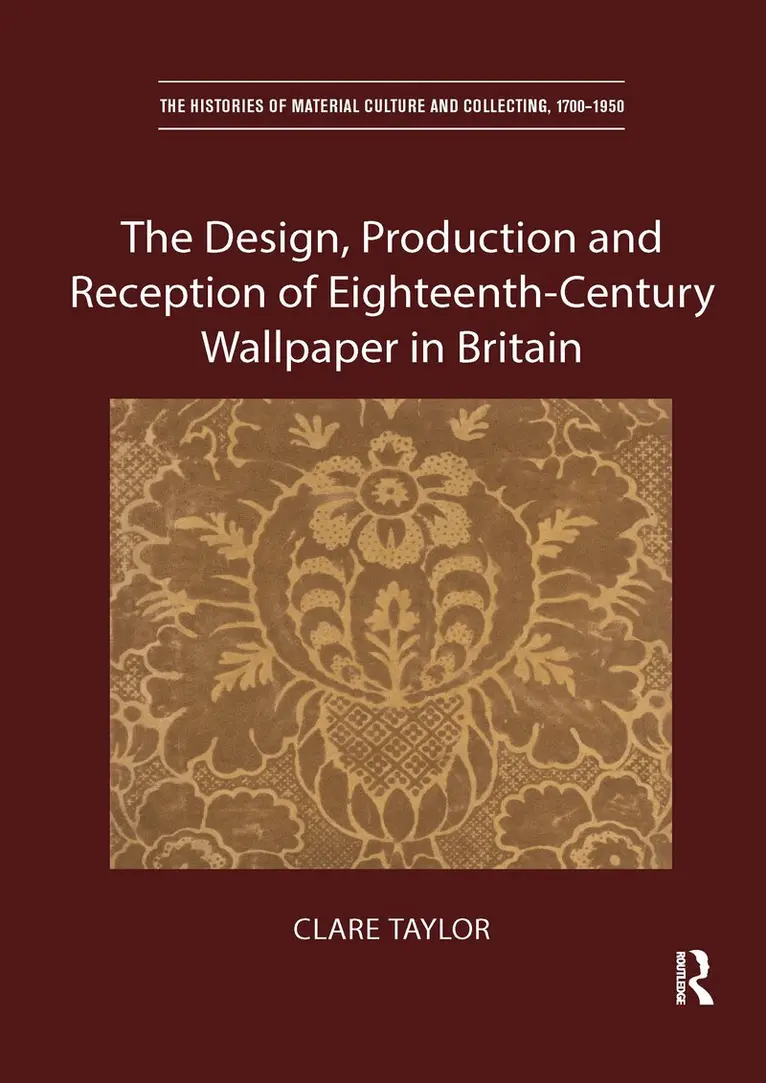
Design, Production and Reception of Eighteenth-Century Wallpaper in Britain
Clare Taylor
Häftad, 2020
713 kr
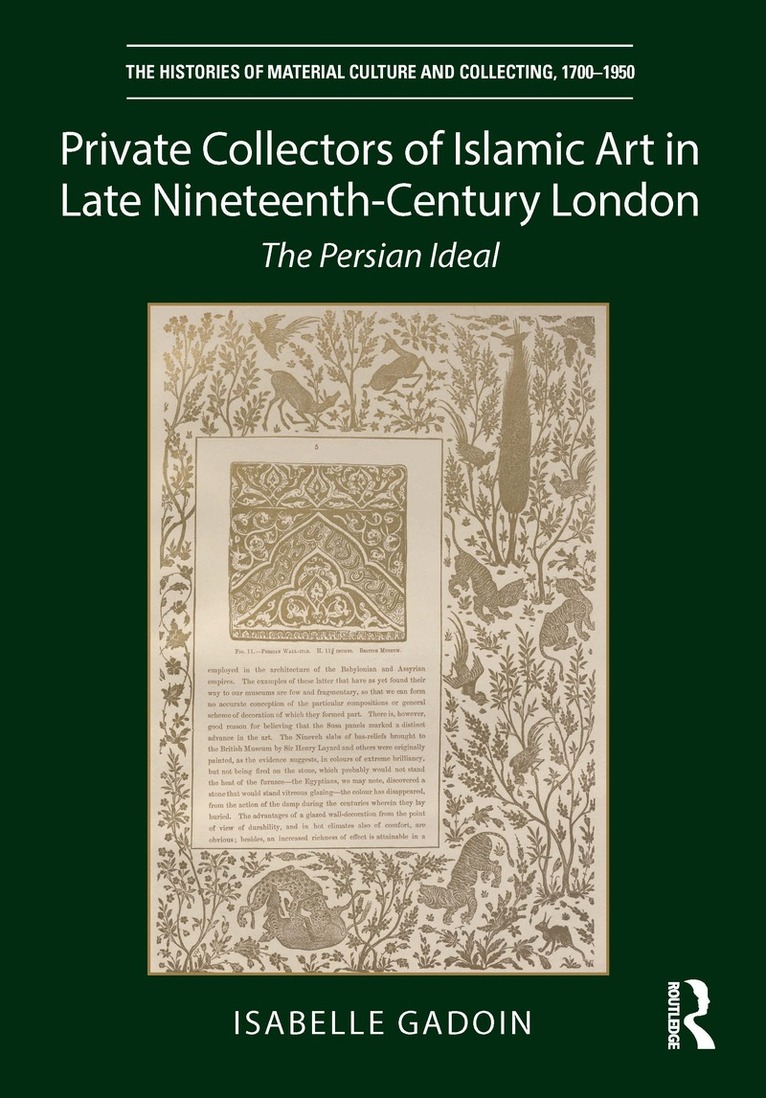
Private Collectors of Islamic Art in Late Nineteenth-Century London
Isabelle Gadoin
Inbunden, 2021
2 538 kr
Hoppa över listan


Du kanske också är intresserad av
- 10% rabatt på allt
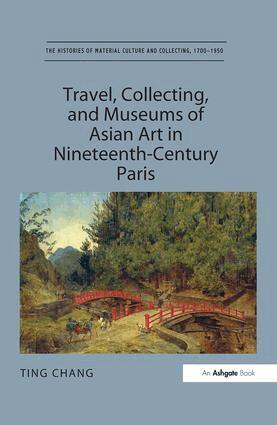
Travel, Collecting, and Museums of Asian Art in Nineteenth-Century Paris
Ting Chang
Inbunden, 2013
2 541 kr