David Scott Diffrient - Böcker
Visar alla böcker från författaren David Scott Diffrient. Handla med fri frakt och snabb leverans.
15 produkter
15 produkter
1 266 kr
Skickas inom 7-10 vardagar
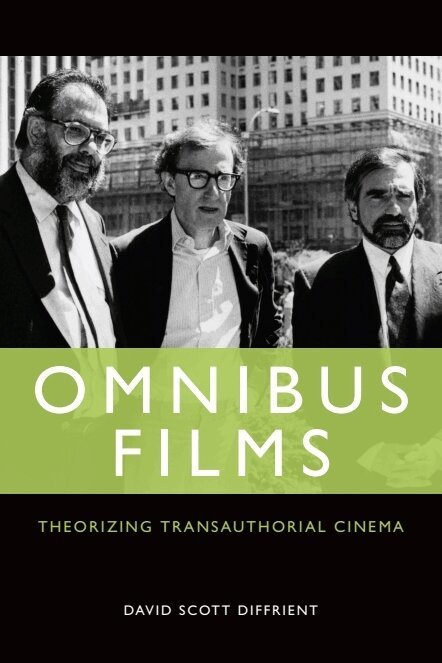
Omnibus films bring together the contributions of two or more filmmakers. Does this make them inherently contradictory texts? How do they challenge critical categories in cinema studies? What are their implications for auteur theory?As the first book-length exploration of internationally distributed, multi-director episode films, David Scott Diffrient’s Omnibus Films: Theorizing Transauthorial Cinema fills a considerable gap in the history of world cinema and aims to expand contemporary understandings of authorship, genre, narrative, and transnational production and reception. Delving into such unique yet representative case studies as If I Had a Million (1932), Forever and a Day (1943), Dead of Night (1945), Quartet (1948), Love and the City (1953), Boccaccio ’70, (1962), New York Stories (1989), Tickets (2005), Visions of Europe (2005), and Paris, je t’aime (2006), this book covers much conceptual ground and crosses narrative as well as national borders in much the same way that omnibus films do.Omnibus Films is a particularly thought-provoking book for those working in the fields of auteur theory, film genre and transnational cinema, and is suitable for advanced students in Cinema Studies.
397 kr
Skickas inom 7-10 vardagar
Omnibus films bring together the contributions of two or more filmmakers. Does this make them inherently contradictory texts? How do they challenge critical categories in cinema studies? What are their implications for auteur theory?As the first book-length exploration of internationally distributed, multi-director episode films, David Scott Diffrient’s Omnibus Films: Theorizing Transauthorial Cinema fills a considerable gap in the history of world cinema and aims to expand contemporary understandings of authorship, genre, narrative, and transnational production and reception. Delving into such unique yet representative case studies as If I Had a Million (1932), Forever and a Day (1943), Dead of Night (1945), Quartet (1948), Love and the City (1953), Boccaccio ’70, (1962), New York Stories (1989), Tickets (2005), Visions of Europe (2005), and Paris, je t’aime (2006), this book covers much conceptual ground and crosses narrative as well as national borders in much the same way that omnibus films do.Omnibus Films is a particularly thought-provoking book for those working in the fields of auteur theory, film genre and transnational cinema, and is suitable for advanced students in Cinema Studies.
457 kr
Skickas inom 7-10 vardagar
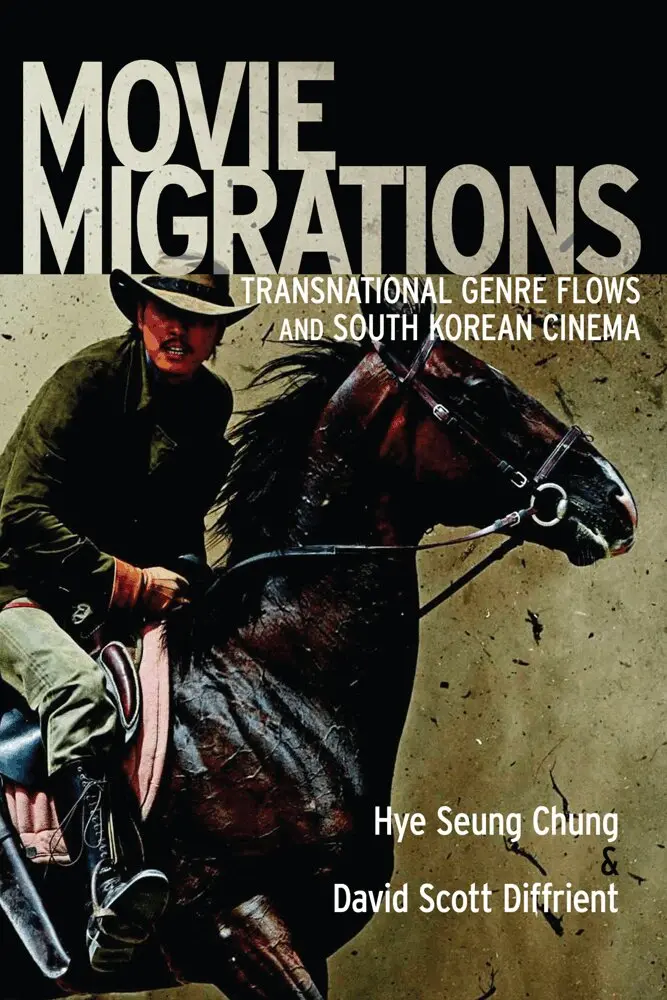
As the two billion YouTube views for “Gangnam Style” would indicate, South Korean popular culture has begun to enjoy new prominence on the global stage. Yet, as this timely new study reveals, the nation’s film industry has long been a hub for transnational exchange, producing movies that put a unique spin on familiar genres, while influencing world cinema from Hollywood to Bollywood. Movie Migrations is not only an introduction to one of the world’s most vibrant national cinemas, but also a provocative call to reimagine the very concepts of “national cinemas” and “film genre.” Challenging traditional critical assumptions that place Hollywood at the center of genre production, Hye Seung Chung and David Scott Diffrient bring South Korean cinema to the forefront of recent and ongoing debates about globalization and transnationalism. In each chapter they track a different way that South Korean filmmakers have adapted material from foreign sources, resulting in everything from the Manchurian Western to The Host’s reinvention of the Godzilla mythos. Spanning a wide range of genres, the book introduces readers to classics from the 1950s and 1960s Golden Age of South Korean cinema, while offering fresh perspectives on recent favorites like Oldboy and Thirst. Perfect not only for fans of Korean film, but for anyone curious about media in an era of globalization, Movie Migrations will give readers a new appreciation for the creative act of cross-cultural adaptation.
278 kr
Skickas inom 10-15 vardagar
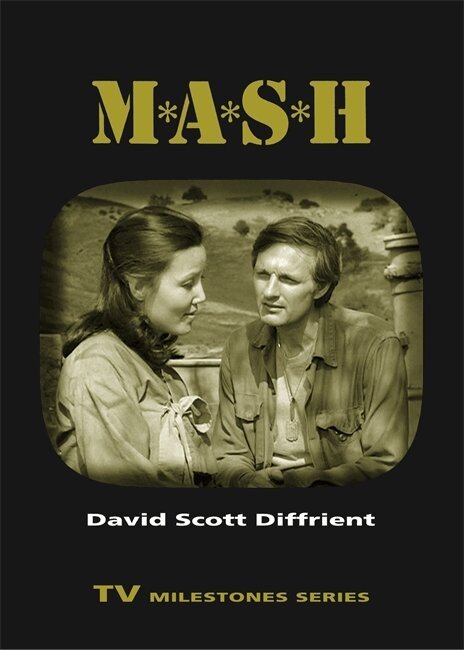
Few American television series are as deeply entrenched in twentieth-century popular culture as M*A*S*H, a Korean War medical comedy characterized by its dark tone and finesse in tackling serious social and political issues. By the end of its run, M*A*S*H had been a mainstream hit for several seasons and won fourteen Emmys, leading it to be called "the most popular pre-Seinfeld series in television history." In this comprehensive study of M*A*S*H, David Scott Diffrient analyzes the series’ contextual issues—such as its creation, reception, and circulation—as well as textual issues like its formal innovations, narrative strategies, and themes.While numerous episode summaries, cast interviews, trivia books, and even recipe guides have been inspired by M*A*S*H, only one other scholarly study of the series exists. Diffrient breaks new ground by fully addressing the wealth of complexities and contradictions in the series and exploring how they are rooted in the cultural ethos of the Vietnam War era. He examines the origins of M*A*S*H and the history surrounding its original broadcast, eventual syndication, and its reception, and he unpacks its narrative strategies, thematic motifs, and questions of identity and identification. In particular, Diffrient explores how the series was able to transcend the traditional boundaries of the sitcom and tackle issues like racial injustices, gender biases, bureaucratic mismanagement, and military snafus.In his exhaustive analysis, Diffrient draws extensively on archival materials including original scripts, memos, and personal correspondence of the show’s writers. He also considers the show’s links to antiwar fiction and its influential and critically overlooked representation of Koreans and the Korean War. Students and teachers of film and television studies, as well as readers interested in M*A*S*H will enjoy this installment in the TV Milestones Series.
903 kr
Kommande
359 kr
Kommande
431 kr
Skickas inom 7-10 vardagar
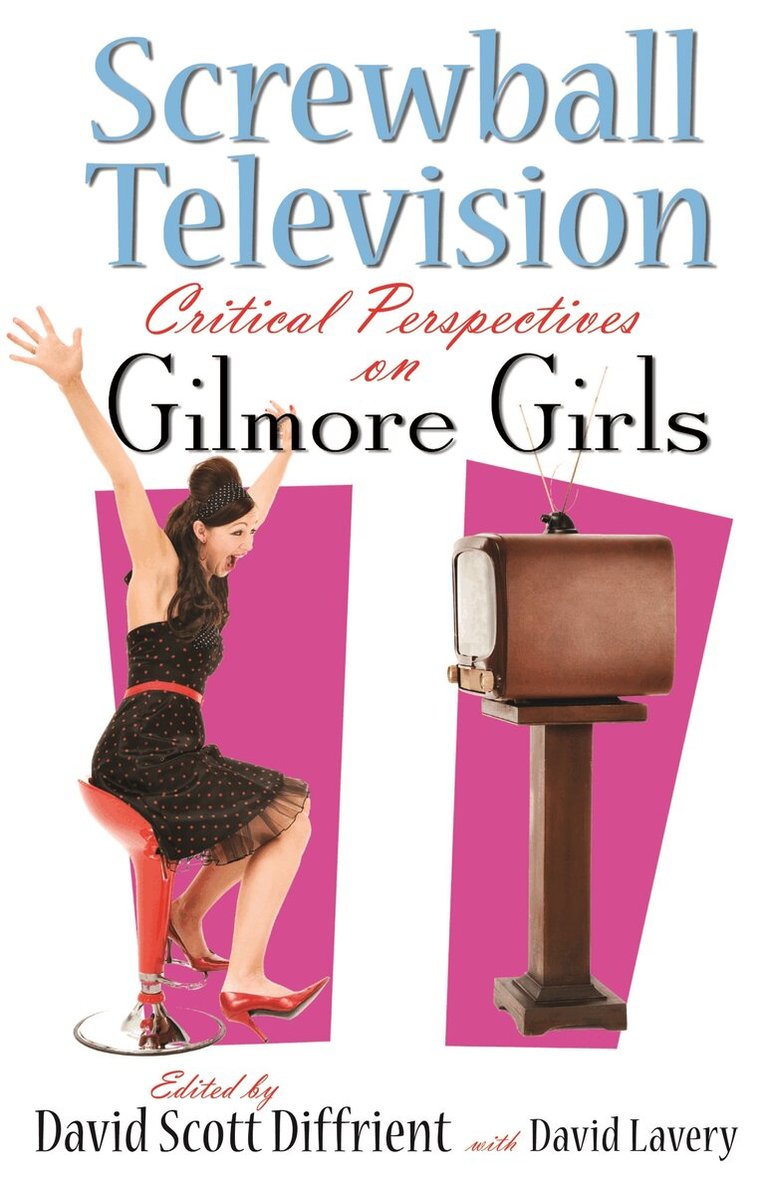
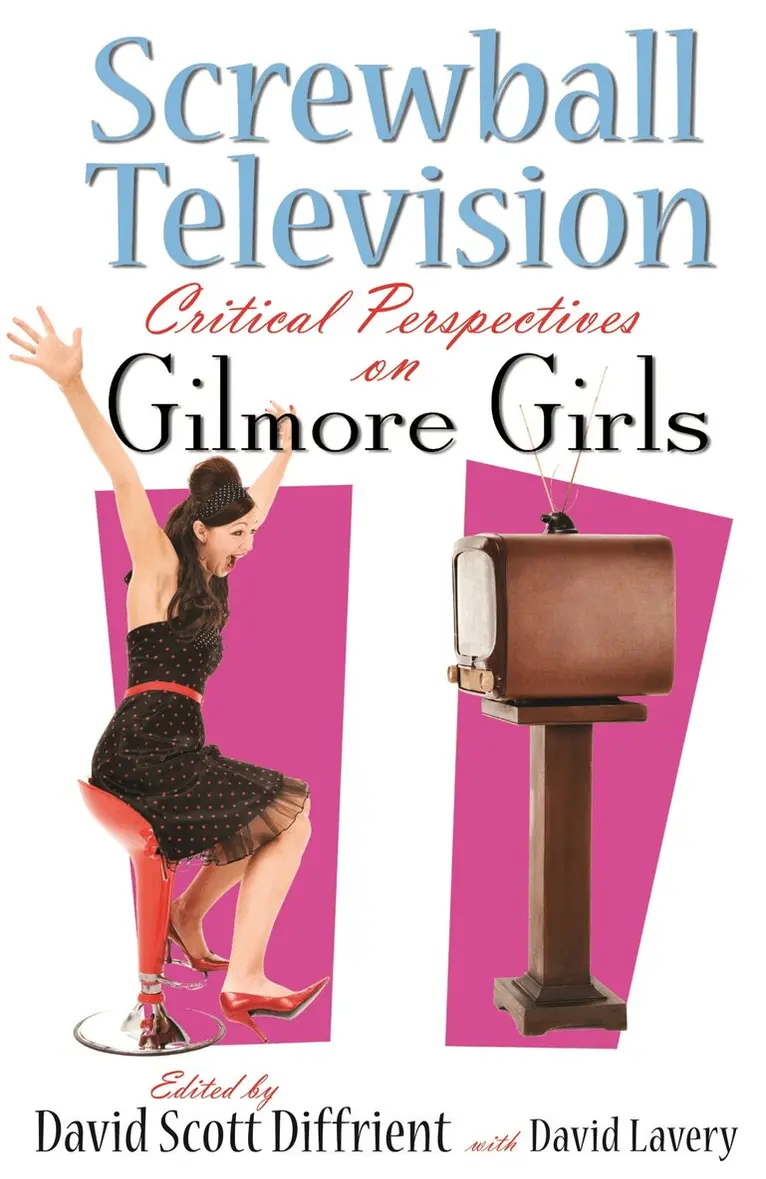
Bringing together seventeen original essays by scholars from around the world, Screwball Television offers a variety of international perspectives on Gilmore Girls (WB/CW, 2000-2007). Adored by fans and celebrated by critics for its sophisticated wordplay and compelling portrayal of a mother-daughter relationship, this contemporary American TV program finally gets its due as a cultural production unlike any other - one that is beholden to Hollywood's screwball comedies of the 1930s, sleeped in intertextual references, and framed as a 'kinder, gentler kind of cult television series' in this lightly focused yet wide-ranging collection. This volume makes a significant contribution to television studies, genre studies, and women's studies, taking Gilmore Girls as its focus while adopting a panoramic critical approach sensitive to such topics as serialized fiction, elite education; addiction as a social construct; food consumption and the disciplining of bodies; post-feminism and female desire: depictions of journalism in popular culture; the changing face of masculinity in contemporary U.S. society; liturgical and ritualistic structures in televisual narrative; Orientalism and Asian representations on American TV: Internet fan discourses; and new genre theories attuned to the landscape of twenty-first-century media convergence. Screwball Television seeks to bring Gilmore Girls more fully into academic discourse not only as a topic worthy of critical scrutiny but also as an infinitely rewarding text capable of stimulating the imagination of students beyond the classroom.
Comic Drunks, Crazy Cults, and Lovable Monsters
Bad Behavior on American Television
Inbunden, Engelska, 2022
1 034 kr
Skickas inom 10-15 vardagar
Contradictory to its core, the sitcom—an ostensibly conservative, tranquilizing genre—has a long track record in the United States of tackling controversial subjects with a fearlessness not often found in other types of programming. But the sitcom also conceals as much as it reveals, masking the rationale for socially deviant or deleterious behavior behind figures of ridicule whose motives are rarely disclosed fully over the course of a thirty-minute episode. Examining a broad range of network and cable TV shows across the history of the medium, from classic, working-class comedies such as The Honeymooners, All in the Family, and Roseanne to several contemporary cult series, animated programs, and online hits that have yet to attract much scholarly attention, this book explores the ways in which social imaginaries related to "bad behavior" have been humorously exploited over the years. The repeated appearance of socially wayward figures on the small screen—from raging alcoholics to brainwashed cult members to actual monsters who are merely exaggerated versions of our own inner demons—has the dual effect of reducing complex individuals to recognizable "types" while neutralizing the presumed threats that they pose. Such representations not only provide strangely comforting reminders that "badness" is a cultural construct, but also prompt audiences to reflect on their own unspoken proclivities for antisocial behavior, if only in passing.
Comic Drunks, Crazy Cults, and Lovable Monsters
Bad Behavior on American Television
Häftad, Engelska, 2022
507 kr
Skickas inom 10-15 vardagar
Contradictory to its core, the sitcom—an ostensibly conservative, tranquilizing genre—has a long track record in the United States of tackling controversial subjects with a fearlessness not often found in other types of programming. But the sitcom also conceals as much as it reveals, masking the rationale for socially deviant or deleterious behavior behind figures of ridicule whose motives are rarely disclosed fully over the course of a thirty-minute episode. Examining a broad range of network and cable TV shows across the history of the medium, from classic, working-class comedies such as The Honeymooners, All in the Family, and Roseanne to several contemporary cult series, animated programs, and online hits that have yet to attract much scholarly attention, this book explores the ways in which social imaginaries related to "bad behavior" have been humorously exploited over the years. The repeated appearance of socially wayward figures on the small screen—from raging alcoholics to brainwashed cult members to actual monsters who are merely exaggerated versions of our own inner demons—has the dual effect of reducing complex individuals to recognizable "types" while neutralizing the presumed threats that they pose. Such representations not only provide strangely comforting reminders that "badness" is a cultural construct, but also prompt audiences to reflect on their own unspoken proclivities for antisocial behavior, if only in passing.
2 150 kr
Skickas inom 3-6 vardagar
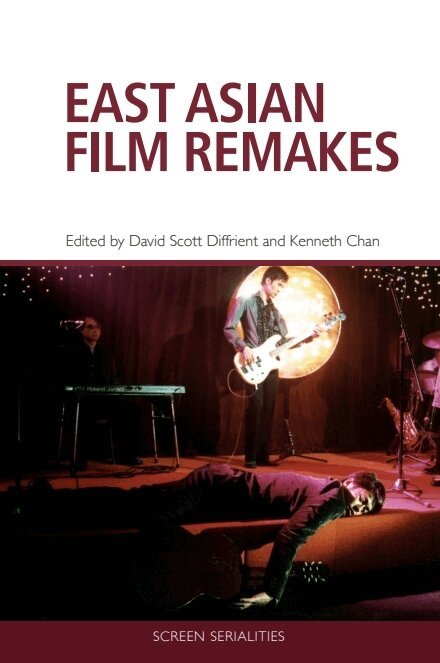
Considers the remake from a variety of critical and theoretical perspectives and positions it alongside other serialized cultural formsExamines the historical significance of the remake in revitalizing local industries and breathing life into established film genres (e.g., action-adventure, crime drama, romantic comedy, the Western, etc.)Draws attention to previously overlooked motion pictures produced in East Asia and acknowledges the significant contributions of several prolific yet neglected filmmakersRe-evaluates canonical texts and offers fresh assessments of legendary auteurs such as Ozu Yasujiro, Yu Hyun-mok, Miike Takashi, Johnnie To, and Stephen ChowShowcases the role of remakes in forging cross-cultural alliances both within and beyond the East Asian region while pointing toward prospects of increased transnational coproductions in the coming yearsThis wide-ranging, historically grounded exploration of motion picture remakes produced in East Asia brings together original contributions from experts in Chinese, Hong Kong, Japanese, South Korean, and Taiwanese cinemas and puts forth new ways of thinking about the remaking process as both a critically underappreciated form of artistic expression and an economically motivated industrial practice. Exploring everything from ethnic Korean filmmaker Lee Sang-il's Unforgiven (2013), a Japanese remake of Clint Eastwood's Western of the same title, to Stephen Chow's The Mermaid (2016), a Chinese slapstick reimagining of Walt Disney's The Little Mermaid (1989) and Hans Christian Andersen's 1837 fairy tale, East Asian Film Remakes contributes to a better understanding of cinematic remaking across the region and offers vital alternatives to the Eurocentric and Hollywood-focused approaches that have thus far dominated the field.
527 kr
Skickas inom 3-6 vardagar
This wide-ranging, historically grounded exploration of motion picture remakes produced in East Asia brings together original contributions from experts in Chinese, Hong Kong, Japanese, South Korean, and Taiwanese cinemas and puts forth new ways of thinking about the remaking process as both a critically underappreciated form of artistic expression and an economically motivated industrial practice. Exploring everything from ethnic Korean filmmaker Lee Sang-il's Unforgiven (2013), a Japanese remake of Clint Eastwood's Western of the same title, to Stephen Chow's The Mermaid (2016), a Chinese slapstick reimagining of Walt Disney's The Little Mermaid (1989) and Hans Christian Andersen's 1837 fairy tale, East Asian Film Remakes contributes to a better understanding of cinematic remaking across the region and offers vital alternatives to the Eurocentric and Hollywood-focused approaches that have thus far dominated the field.
1 189 kr
Skickas inom 10-15 vardagar
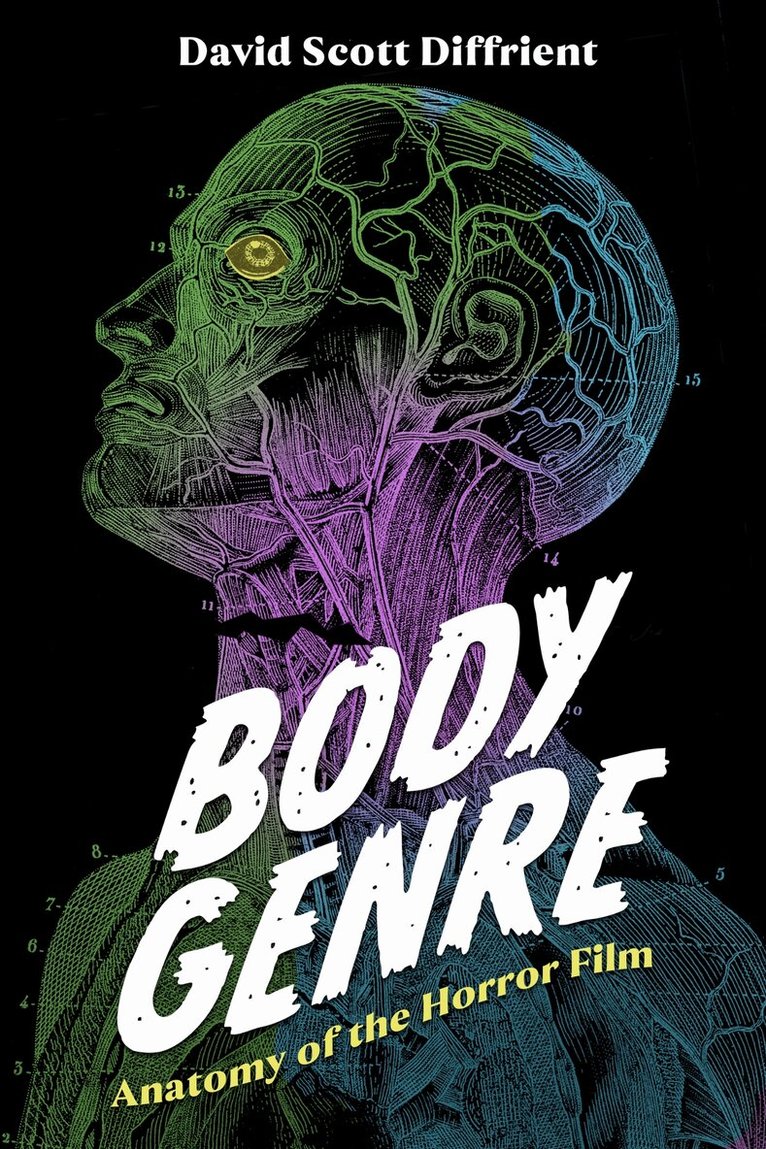
In this groundbreaking work, author David Scott Diffrient explores largely understudied facets of cinematic horror, from the various odors permeating classic and contemporary films to the wetness, sliminess, and stickiness of these productions, which, he argues, practically scream out for a tactile mode of textural analysis as much as they call for more traditional forms of textual analysis. Dating back to Carol Clover’s and Linda Williams’s pioneering work on horror cinema, film scholars have long conceptualized this once-disreputable category of cultural production as a "body genre." However, despite the growing recognition that horror serves important biological and social functions in our lives, scholars have only scratched the surface of this genre with regard to its affective, corporeal, and sensorial appeals.Diffrient anatomizes horror films in much the same way that a mad scientist might handle the body, separating and recombining constitutive parts into a new analytical whole. Further, he challenges the tendency of scholars to privilege human over nonhuman beings and calls into question ableist assumptions about the centrality to horror films of sight and sound to the near exclusion of other forms of sense experience. In addition to examining the role that animals—living or dead, real or fake—play in human-centered fictions, this volume asks what it means for audiences to consume motion pictures in which actors, stunt performers, and other creative personnel have put their own bodies and lives at risk for our amusement. Historically grounded and theoretically expansive, Body Genre: Anatomy of the Horror Film moves the study of cinematic horror into previously unchartered waters and breathes life into a subject that, not coincidentally, is intimately connected to breathing as our most cherished dividing line between life and death.
365 kr
Skickas inom 7-10 vardagar
In this groundbreaking work, author David Scott Diffrient explores largely understudied facets of cinematic horror, from the various odors permeating classic and contemporary films to the wetness, sliminess, and stickiness of these productions, which, he argues, practically scream out for a tactile mode of textural analysis as much as they call for more traditional forms of textual analysis. Dating back to Carol Clover’s and Linda Williams’s pioneering work on horror cinema, film scholars have long conceptualized this once-disreputable category of cultural production as a "body genre." However, despite the growing recognition that horror serves important biological and social functions in our lives, scholars have only scratched the surface of this genre with regard to its affective, corporeal, and sensorial appeals.Diffrient anatomizes horror films in much the same way that a mad scientist might handle the body, separating and recombining constitutive parts into a new analytical whole. Further, he challenges the tendency of scholars to privilege human over nonhuman beings and calls into question ableist assumptions about the centrality to horror films of sight and sound to the near exclusion of other forms of sense experience. In addition to examining the role that animals—living or dead, real or fake—play in human-centered fictions, this volume asks what it means for audiences to consume motion pictures in which actors, stunt performers, and other creative personnel have put their own bodies and lives at risk for our amusement. Historically grounded and theoretically expansive, Body Genre: Anatomy of the Horror Film moves the study of cinematic horror into previously unchartered waters and breathes life into a subject that, not coincidentally, is intimately connected to breathing as our most cherished dividing line between life and death.
428 kr
Skickas inom 7-10 vardagar
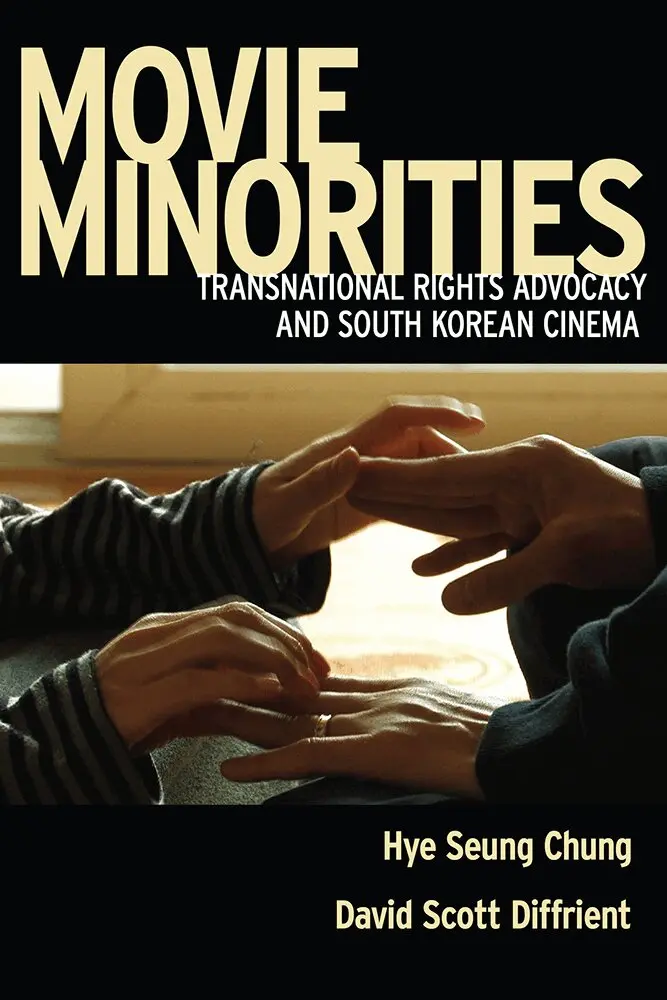
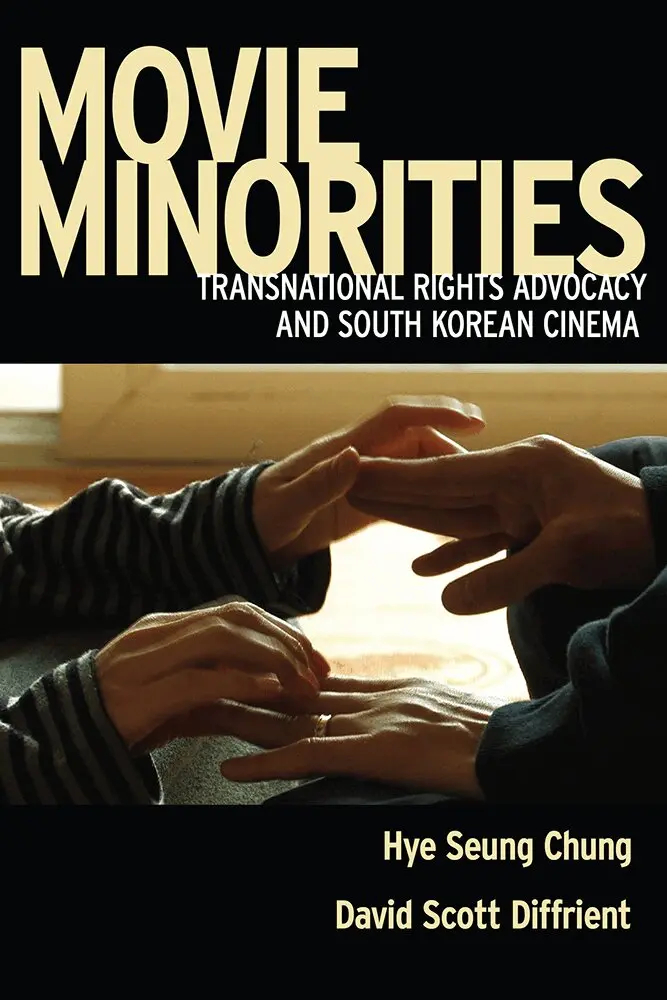
Rights advocacy has become a prominent facet of South Korea's increasingly transnational motion picture output, especially following the 1998 presidential inauguration of Kim Dae-jung, a former political prisoner and victim of human rights abuses who received the Nobel Peace Prize in 2000. Today it is not unusual to see a big-budget production about the pursuit of social justice or the protection of civil liberties contending for the top spot at the box office. With that cultural shift has come a diversification of film subjects, which range from undocumented workers' rights to the sexual harassment experienced by women to high-school bullying to the struggles among people with disabilities to gain inclusion within a society that has transformed significantly since winning democratic freedoms three decades ago. Combining in-depth textual analyses of films such as Bleak Night, Okja, Planet of Snail, Repatriation, and Silenced with broader historical contextualization, Movie Minorities offers the first English-language study of South Korean cinema's role in helping to galvanize activist social movements across several identity-based categories.
1 572 kr
Skickas inom 7-10 vardagar
Rights advocacy has become a prominent facet of South Korea's increasingly transnational motion picture output, especially following the 1998 presidential inauguration of Kim Dae-jung, a former political prisoner and victim of human rights abuses who received the Nobel Peace Prize in 2000. Today it is not unusual to see a big-budget production about the pursuit of social justice or the protection of civil liberties contending for the top spot at the box office. With that cultural shift has come a diversification of film subjects, which range from undocumented workers' rights to the sexual harassment experienced by women to high-school bullying to the struggles among people with disabilities to gain inclusion within a society that has transformed significantly since winning democratic freedoms three decades ago. Combining in-depth textual analyses of films such as Bleak Night, Okja, Planet of Snail, Repatriation, and Silenced with broader historical contextualization, Movie Minorities offers the first English-language study of South Korean cinema's role in helping to galvanize activist social movements across several identity-based categories.