Inbunden, Engelska, 2014
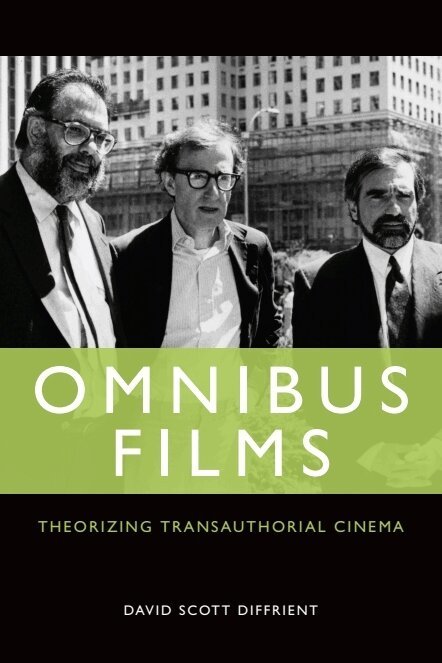
Omnibus Films
Theorizing Transauthorial Cinema
1331 kr
Beställningsvara. Skickas inom 7-10 vardagar. Fri frakt över 249 kr.
Beskrivning
Omnibus films bring together the contributions of two or more filmmakers. Does this make them inherently contradictory texts? How do they challenge critical categories in cinema studies? What are their implications for auteur theory?As the first book-length exploration of internationally distributed, multi-director episode films, David Scott Diffrient’s Omnibus Films: Theorizing Transauthorial Cinema fills a considerable gap in the history of world cinema and aims to expand contemporary understandings of authorship, genre, narrative, and transnational production and reception. Delving into such unique yet representative case studies as If I Had a Million (1932), Forever and a Day (1943), Dead of Night (1945), Quartet (1948), Love and the City (1953), Boccaccio ’70, (1962), New York Stories (1989), Tickets (2005), Visions of Europe (2005), and Paris, je t’aime (2006), this book covers much conceptual ground and crosses narrative as well as national borders in much the same way that omnibus films do.Omnibus Films is a particularly thought-provoking book for those working in the fields of auteur theory, film genre and transnational cinema, and is suitable for advanced students in Cinema Studies.
Produktinformation
- Utgivningsdatum: 2014-06-23
- Mått: 156 x 234 x 21 mm
- Vikt: 565 g
- Format: Inbunden
- Språk: Engelska
- Antal sidor: 288
- Förlag: Edinburgh University Press
- ISBN: 9780748695652
Utforska kategorier
Mer om författaren
David Scott Diffrient is Professor of Film and Media Studies at Colorado State University
Recensioner i media
Accused as either "ramshackle" filmmaking or acclaimed for savvy "acuteness and prankishness," the under-appreciated "omnibus" film is rewardingly studied here by David Scott Diffrient. Described as a "meta-genre", Diffrient precisely and comprehensively discusses these films’ rich history and their transauthorial dynamic aesthetics. By doing so, Omnibus Films: Theorizing Transauthorial Cinema situates the unique place in film history that these films hold.
Betyg & recensioner
0 recensioner
Inga recensioner tillgängliga.