Hye Seung Chung - Böcker
Visar alla böcker från författaren Hye Seung Chung. Handla med fri frakt och snabb leverans.
9 produkter
9 produkter
245 kr
Skickas inom 7-10 vardagar
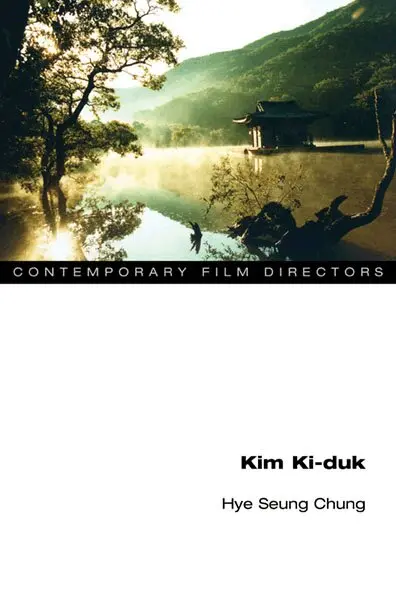
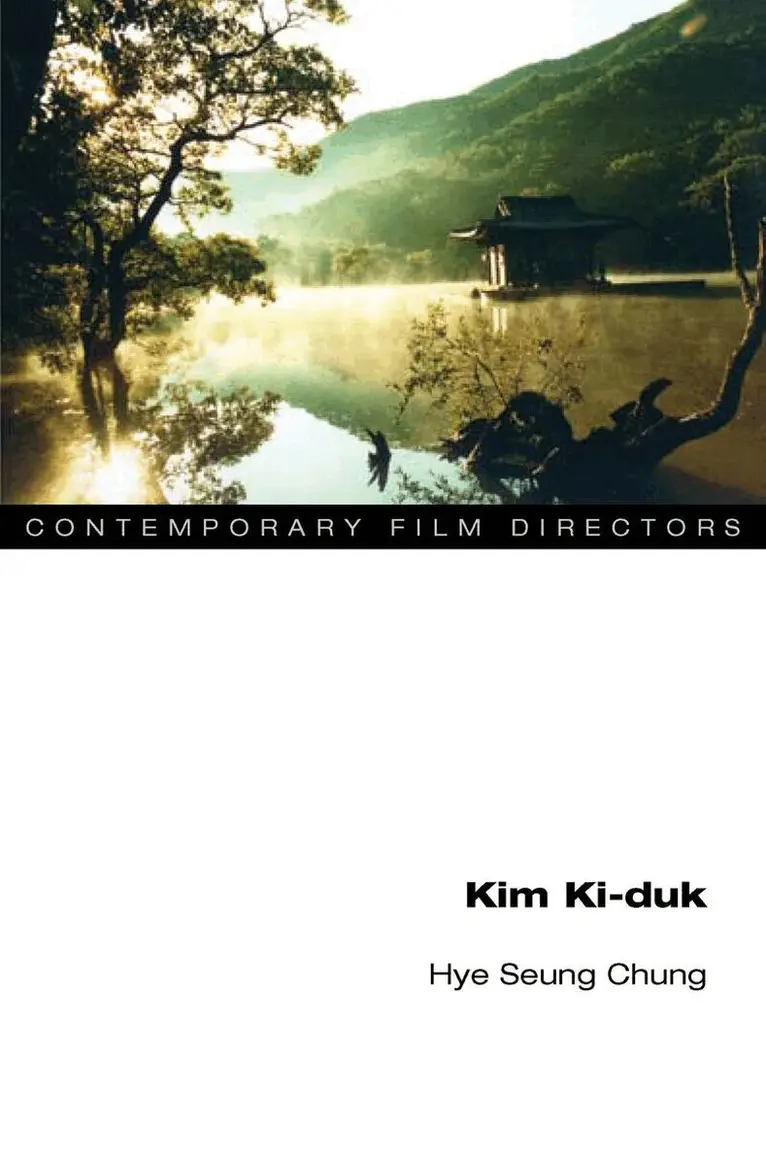
This study investigates the controversial motion pictures written and directed by the independent filmmaker Kim Ki-duk, one of the most acclaimed Korean auteurs in the English-speaking world. Propelled by underdog protagonists who can only communicate through shared corporeal pain and extreme violence, Kim's graphic films have been classified by Western audiences as belonging to sensationalist East Asian "extreme" cinema, and Kim has been labeled a "psychopath" and "misogynist" in South Korea. Drawing upon both Korean-language and English-language sources, Hye Seung Chung challenges these misunderstandings, recuperating Kim's oeuvre as a therapeutic, yet brutal cinema of Nietzschean ressentiment (political anger and resentment deriving from subordination and oppression). Chung argues that the power of Kim's cinema lies precisely in its ability to capture, channel, and convey the raw emotions of protagonists who live on the bottom rungs of Korean society. She provides historical and postcolonial readings of victimization and violence in Kim's cinema, which tackles such socially relevant topics as national division in Wild Animals and The Coast Guard and U.S. military occupation in Address Unknown. She also explores the religious and spiritual themes in Kim's most recent works, which suggest possibilities of reconciliation and transcendence.
454 kr
Skickas inom 7-10 vardagar
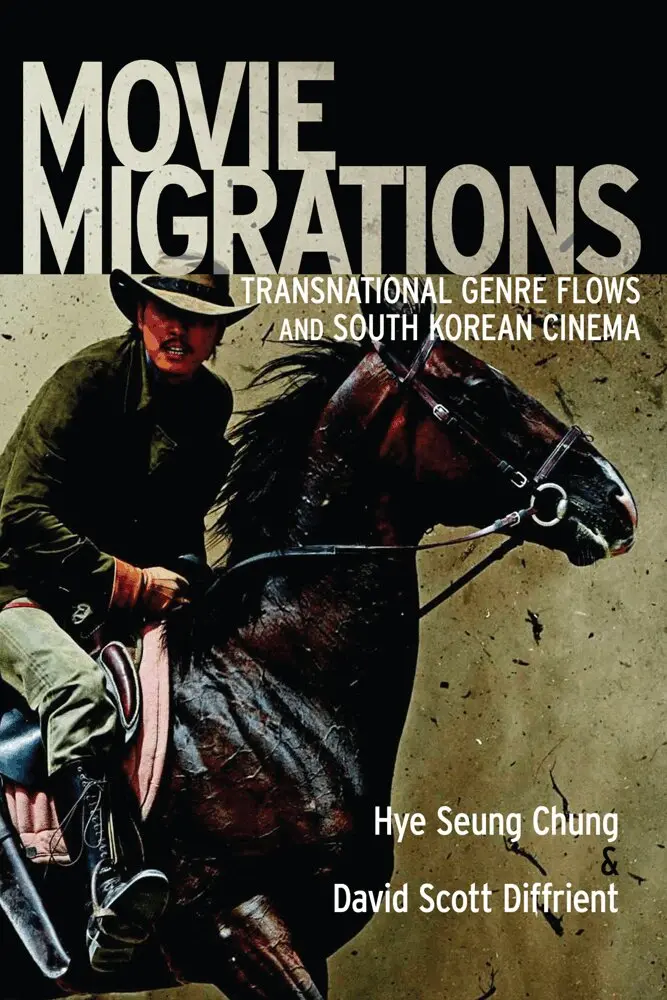
As the two billion YouTube views for “Gangnam Style” would indicate, South Korean popular culture has begun to enjoy new prominence on the global stage. Yet, as this timely new study reveals, the nation’s film industry has long been a hub for transnational exchange, producing movies that put a unique spin on familiar genres, while influencing world cinema from Hollywood to Bollywood. Movie Migrations is not only an introduction to one of the world’s most vibrant national cinemas, but also a provocative call to reimagine the very concepts of “national cinemas” and “film genre.” Challenging traditional critical assumptions that place Hollywood at the center of genre production, Hye Seung Chung and David Scott Diffrient bring South Korean cinema to the forefront of recent and ongoing debates about globalization and transnationalism. In each chapter they track a different way that South Korean filmmakers have adapted material from foreign sources, resulting in everything from the Manchurian Western to The Host’s reinvention of the Godzilla mythos. Spanning a wide range of genres, the book introduces readers to classics from the 1950s and 1960s Golden Age of South Korean cinema, while offering fresh perspectives on recent favorites like Oldboy and Thirst. Perfect not only for fans of Korean film, but for anyone curious about media in an era of globalization, Movie Migrations will give readers a new appreciation for the creative act of cross-cultural adaptation.
976 kr
Skickas inom 3-6 vardagar
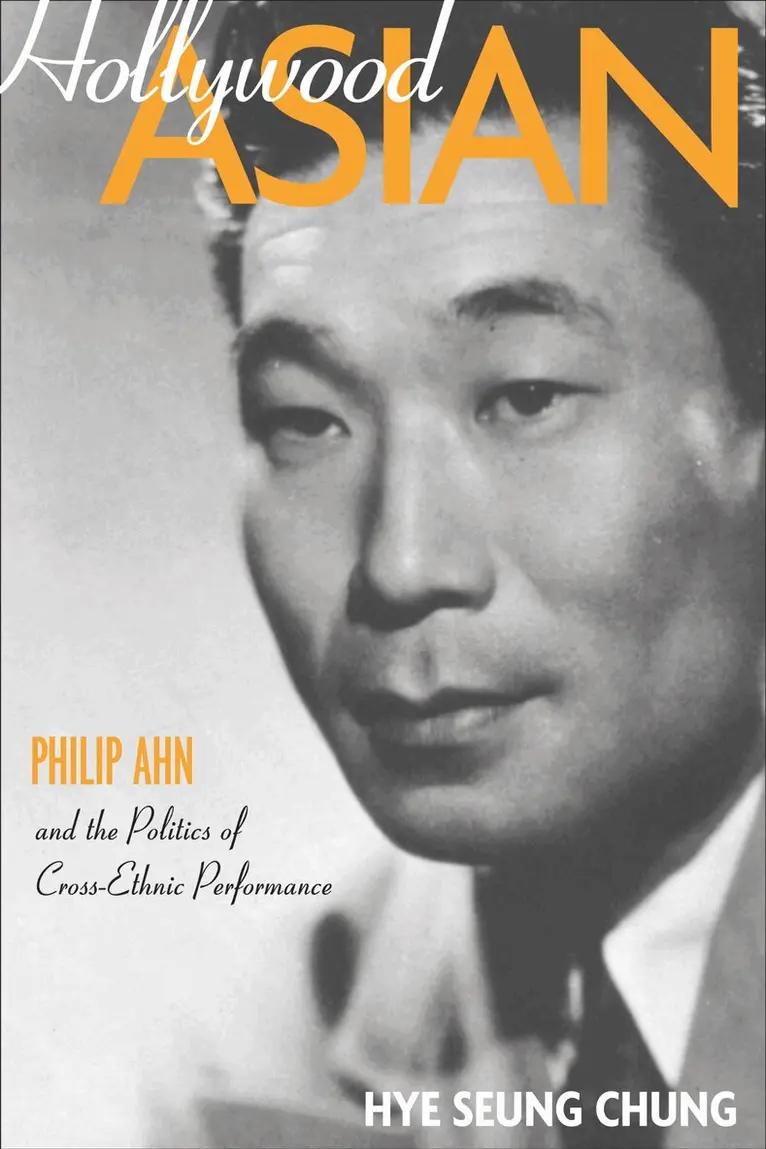
How a Korean American actor became a Hollywood "Oriental" star
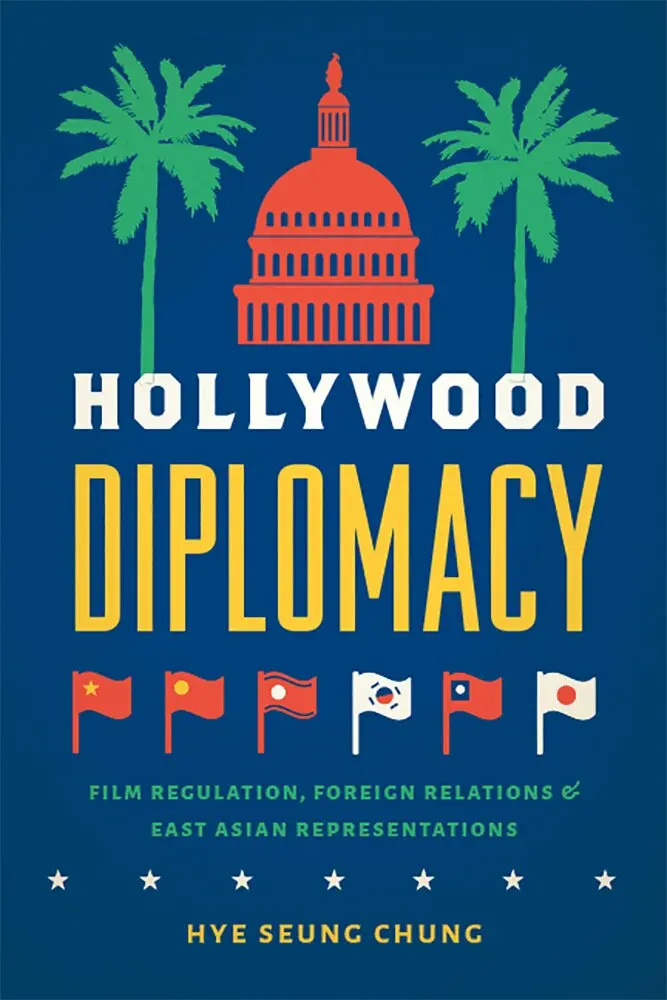
Hollywood Diplomacy
Film Regulation, Foreign Relations, and East Asian Representations
Häftad, Engelska, 2020
415 kr
Skickas inom 7-10 vardagar
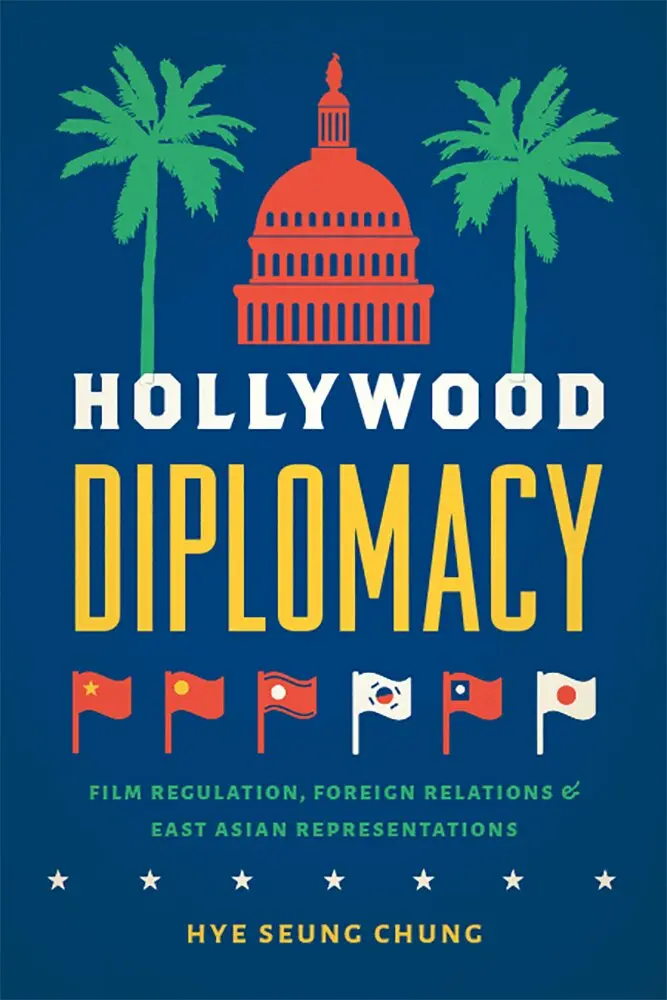
Hollywood Diplomacy contends that, rather than simply reflect the West's cultural fantasies of an imagined "Orient," images of Chinese, Japanese, and Korean ethnicities have long been contested sites where the commercial interests of Hollywood studios and the political mandates of U.S. foreign policy collide, compete against one another, and often become compromised in the process. While tracing both Hollywood's internal foreign relations protocols—from the "Open Door" policy of the silent era to the "National Feelings" provision of the Production Code—and external regulatory interventions by the Chinese government, the U.S. State Department, the Office of War Information, and the Department of Defense, Hye Seung Chung reevaluates such American classics as Shanghai Express and The Great Dictator and applies historical insights to the controversies surrounding contemporary productions including Die Another Day and The Interview. This richly detailed book redefines the concept of "creative freedom" in the context of commerce: shifting focus away from the artistic entitlement to offend foreign audiences toward the opportunity to build new, better relationships with partners around the world through diplomatic representations of race, ethnicity, and nationality.
Hollywood Diplomacy
Film Regulation, Foreign Relations, and East Asian Representations
Inbunden, Engelska, 2020
1 633 kr
Skickas inom 11-20 vardagar
Hollywood Diplomacy contends that, rather than simply reflect the West's cultural fantasies of an imagined "Orient," images of Chinese, Japanese, and Korean ethnicities have long been contested sites where the commercial interests of Hollywood studios and the political mandates of U.S. foreign policy collide, compete against one another, and often become compromised in the process. While tracing both Hollywood's internal foreign relations protocols—from the "Open Door" policy of the silent era to the "National Feelings" provision of the Production Code—and external regulatory interventions by the Chinese government, the U.S. State Department, the Office of War Information, and the Department of Defense, Hye Seung Chung reevaluates such American classics as Shanghai Express and The Great Dictator and applies historical insights to the controversies surrounding contemporary productions including Die Another Day and The Interview. This richly detailed book redefines the concept of "creative freedom" in the context of commerce: shifting focus away from the artistic entitlement to offend foreign audiences toward the opportunity to build new, better relationships with partners around the world through diplomatic representations of race, ethnicity, and nationality.
428 kr
Skickas inom 7-10 vardagar
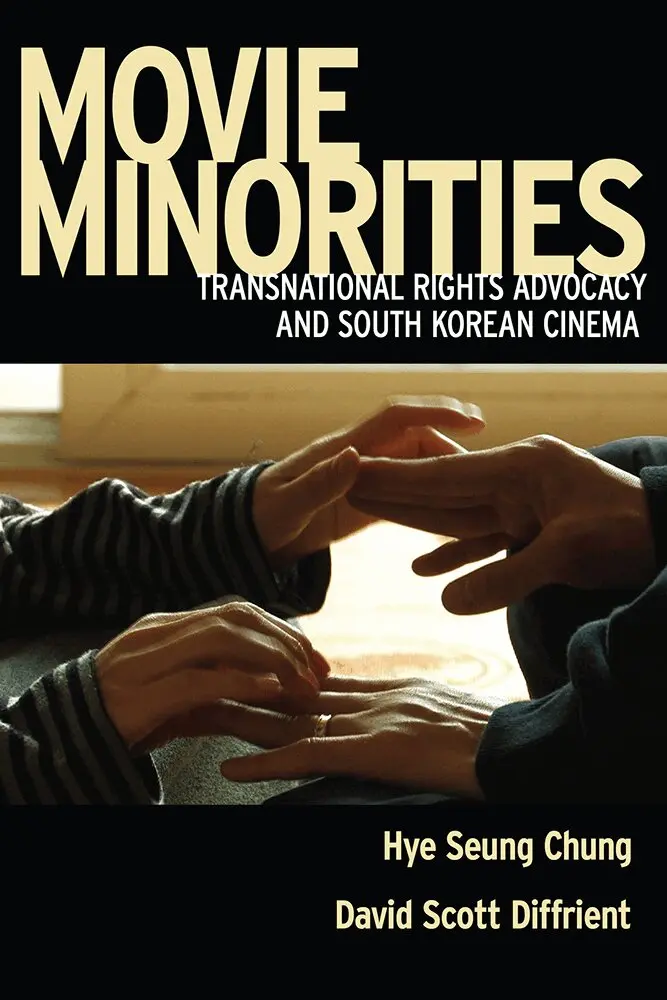
Rights advocacy has become a prominent facet of South Korea's increasingly transnational motion picture output, especially following the 1998 presidential inauguration of Kim Dae-jung, a former political prisoner and victim of human rights abuses who received the Nobel Peace Prize in 2000. Today it is not unusual to see a big-budget production about the pursuit of social justice or the protection of civil liberties contending for the top spot at the box office. With that cultural shift has come a diversification of film subjects, which range from undocumented workers' rights to the sexual harassment experienced by women to high-school bullying to the struggles among people with disabilities to gain inclusion within a society that has transformed significantly since winning democratic freedoms three decades ago. Combining in-depth textual analyses of films such as Bleak Night, Okja, Planet of Snail, Repatriation, and Silenced with broader historical contextualization, Movie Minorities offers the first English-language study of South Korean cinema's role in helping to galvanize activist social movements across several identity-based categories.
1 570 kr
Skickas inom 7-10 vardagar
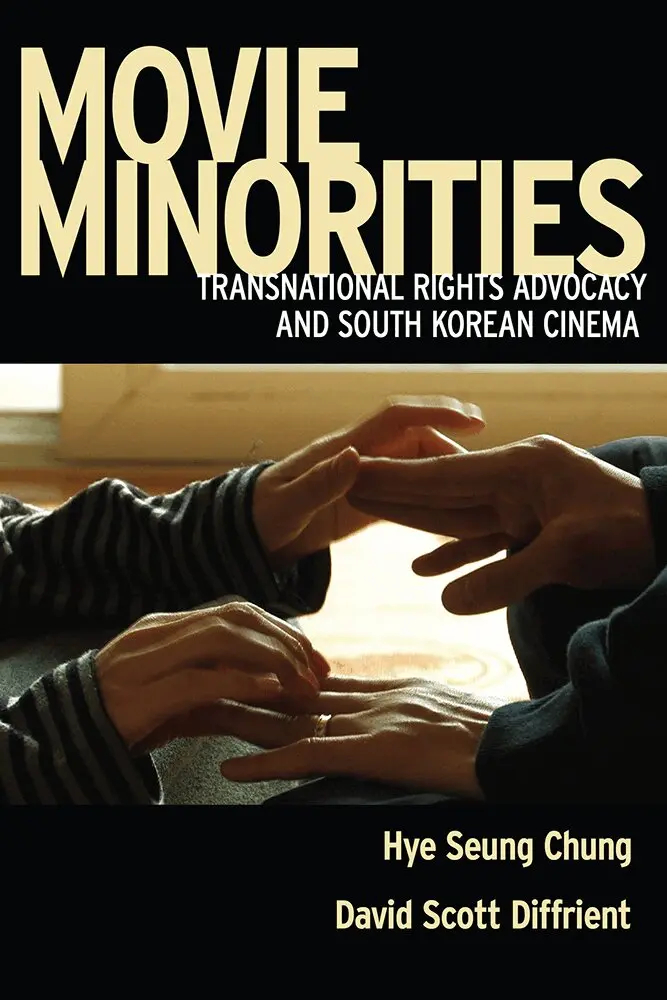
Rights advocacy has become a prominent facet of South Korea's increasingly transnational motion picture output, especially following the 1998 presidential inauguration of Kim Dae-jung, a former political prisoner and victim of human rights abuses who received the Nobel Peace Prize in 2000. Today it is not unusual to see a big-budget production about the pursuit of social justice or the protection of civil liberties contending for the top spot at the box office. With that cultural shift has come a diversification of film subjects, which range from undocumented workers' rights to the sexual harassment experienced by women to high-school bullying to the struggles among people with disabilities to gain inclusion within a society that has transformed significantly since winning democratic freedoms three decades ago. Combining in-depth textual analyses of films such as Bleak Night, Okja, Planet of Snail, Repatriation, and Silenced with broader historical contextualization, Movie Minorities offers the first English-language study of South Korean cinema's role in helping to galvanize activist social movements across several identity-based categories.
Cinema Under National Reconstruction
State Censorship and South Korea's Cold War Film Culture
Häftad, Engelska, 2024
427 kr
Skickas inom 7-10 vardagar
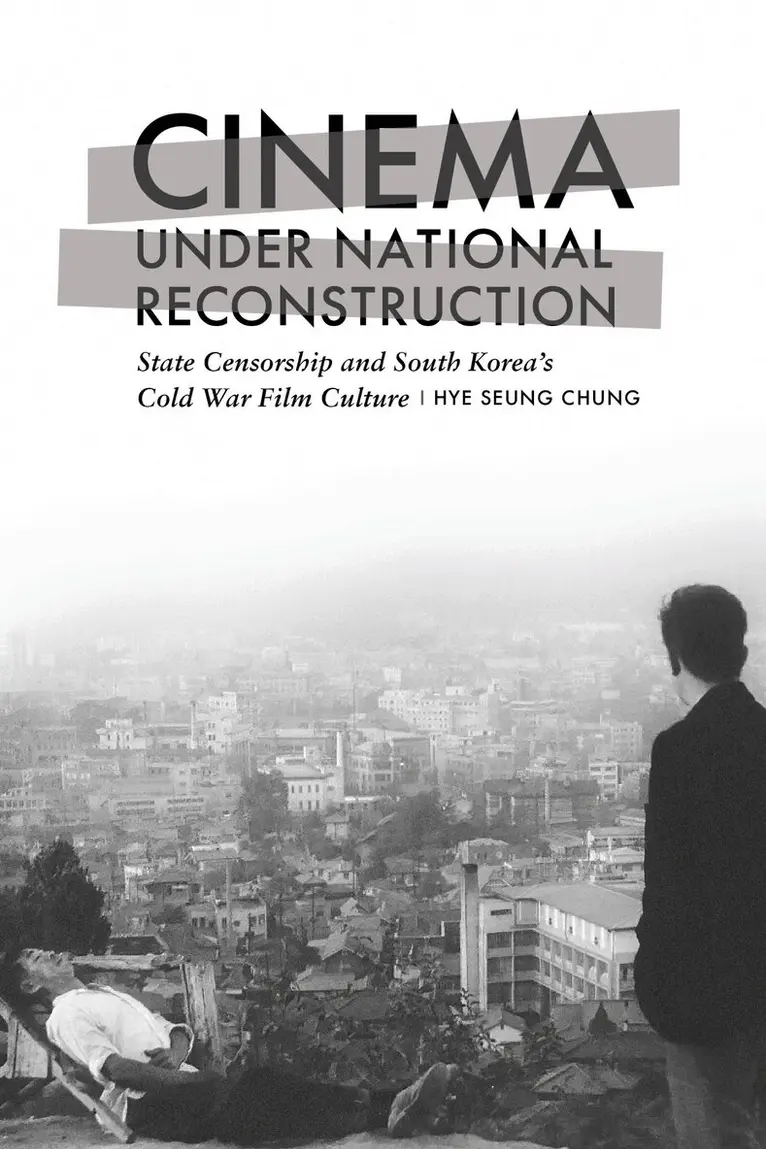
Cinema under National Reconstruction calls for a revisionist understanding of state film censorship during successive Cold War military regimes in South Korea (1961–1988). Drawing upon primary documents from the Korean Film Archive’s digitized database and framing South Korean film censorship from a transnational perspective, Hye Seung Chung makes the case that, while political oppression/repression existed inside and outside the film industry during this period, film censorship was not simply a tool for authoritarian dictatorship. Through such case studies as Yu Hyun-mok’s The Stray Bullet (1961), Ha Kil-jong’s The March of the Fools (1975), and Yi Chang-ho’s Declaration of Fools (1983), the author defines censorship as a dialogical process of cultural negotiations wherein the state, the film industry, and the public fight out a battle over the definitions and functions of national cinema. In the context of Cold War Korea, one cannot fully understand or construct film history without reassessing censorship as a productive feedback system where both state regulators and filmmakers played active roles in shaping the new narrative or sentiment of the nation on the big screen.
Cinema Under National Reconstruction
State Censorship and South Korea's Cold War Film Culture
Inbunden, Engelska, 2024
1 307 kr
Skickas inom 7-10 vardagar
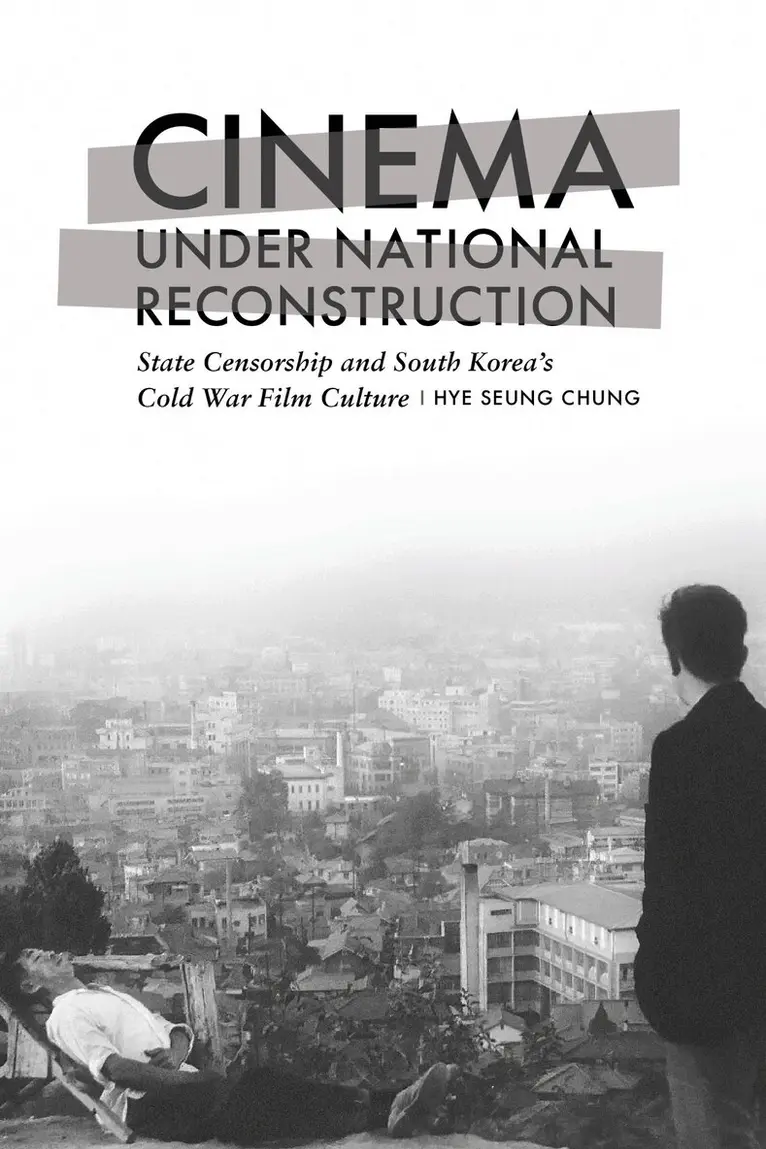
Cinema under National Reconstruction calls for a revisionist understanding of state film censorship during successive Cold War military regimes in South Korea (1961–1988). Drawing upon primary documents from the Korean Film Archive’s digitized database and framing South Korean film censorship from a transnational perspective, Hye Seung Chung makes the case that, while political oppression/repression existed inside and outside the film industry during this period, film censorship was not simply a tool for authoritarian dictatorship. Through such case studies as Yu Hyun-mok’s The Stray Bullet (1961), Ha Kil-jong’s The March of the Fools (1975), and Yi Chang-ho’s Declaration of Fools (1983), the author defines censorship as a dialogical process of cultural negotiations wherein the state, the film industry, and the public fight out a battle over the definitions and functions of national cinema. In the context of Cold War Korea, one cannot fully understand or construct film history without reassessing censorship as a productive feedback system where both state regulators and filmmakers played active roles in shaping the new narrative or sentiment of the nation on the big screen.