Debra A. Reid - Böcker
Visar alla böcker från författaren Debra A. Reid. Handla med fri frakt och snabb leverans.
7 produkter
7 produkter
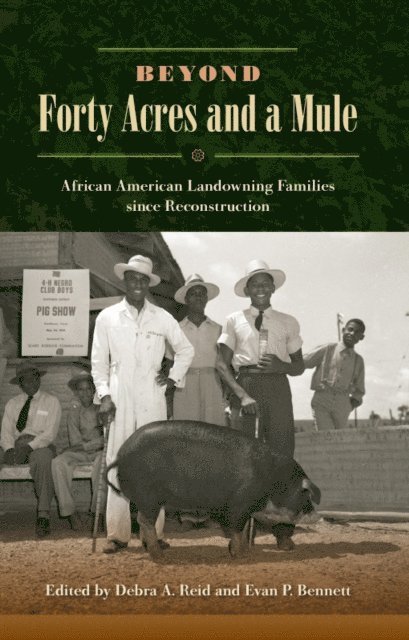
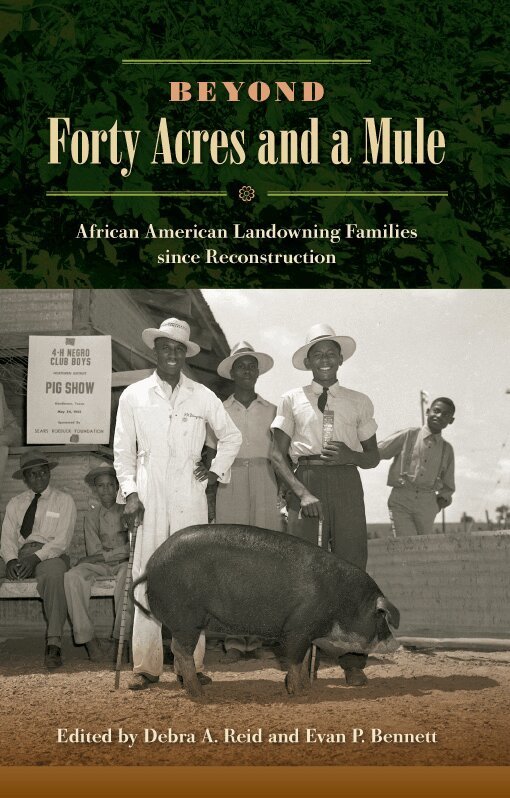
Beyond Forty Acres and a Mule
African American Landowning Families Since Reconstruction
Häftad, Engelska, 2014
295 kr
Skickas inom 10-15 vardagar
This collection chronicles the tumultuous history of landowning African American farmers from the end of the Civil War to today. Each essay provides a case study of people in one place at a particular time and the factors that affected their ability to acquire, secure, and protect their land.The contributors walk readers through a century and a half of African American agricultural history, from the strivings of black farm owners in the immediate post-emancipation period to the efforts of contemporary black farm owners to receive justice through the courts for decades of discrimination by the U.S Department of Agriculture. They reveal that despite enormous obstacles, by 1920 a quarter of African American farm families owned their land, and demonstrate that farm ownership was not simply a departure point for black migrants seeking a better life but a core component of the African American experience.
1 142 kr
Skickas inom 10-15 vardagar
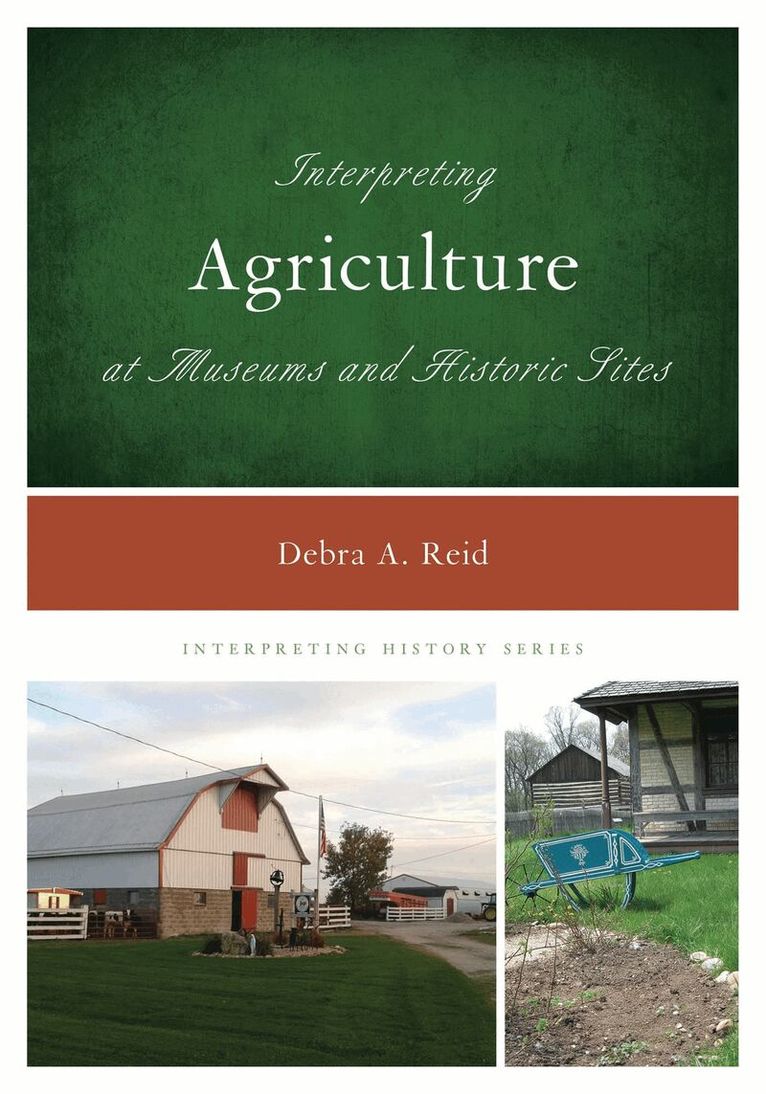
Interpreting Agriculture in Museums and Historic Sites orients readers to major themes in agriculture and techniques in education and interpretation that can help you develop humanities-based public programming that enhance agricultural literacy. Case studies illustrate the ways that local research can help you link your history organization to compelling local, national (even international) stories focused on the multidisciplinary topic. That ordinary plow, pitch fork, and butter paddle can provide the tangible evidence of the story worth telling, even if the farm land has disappeared into subdivisions and agriculture seems as remote as the nineteenth century. Other topics include discussion of alliances between rural tourism and community-supported agriculture, farmland conservation and stewardship, heritage breed and seed preservation efforts, and antique tractor clubs. Any of these can become indispensable partners to history organizations searching for a new interpretive theme to explore and new partners to engage.
541 kr
Skickas inom 10-15 vardagar
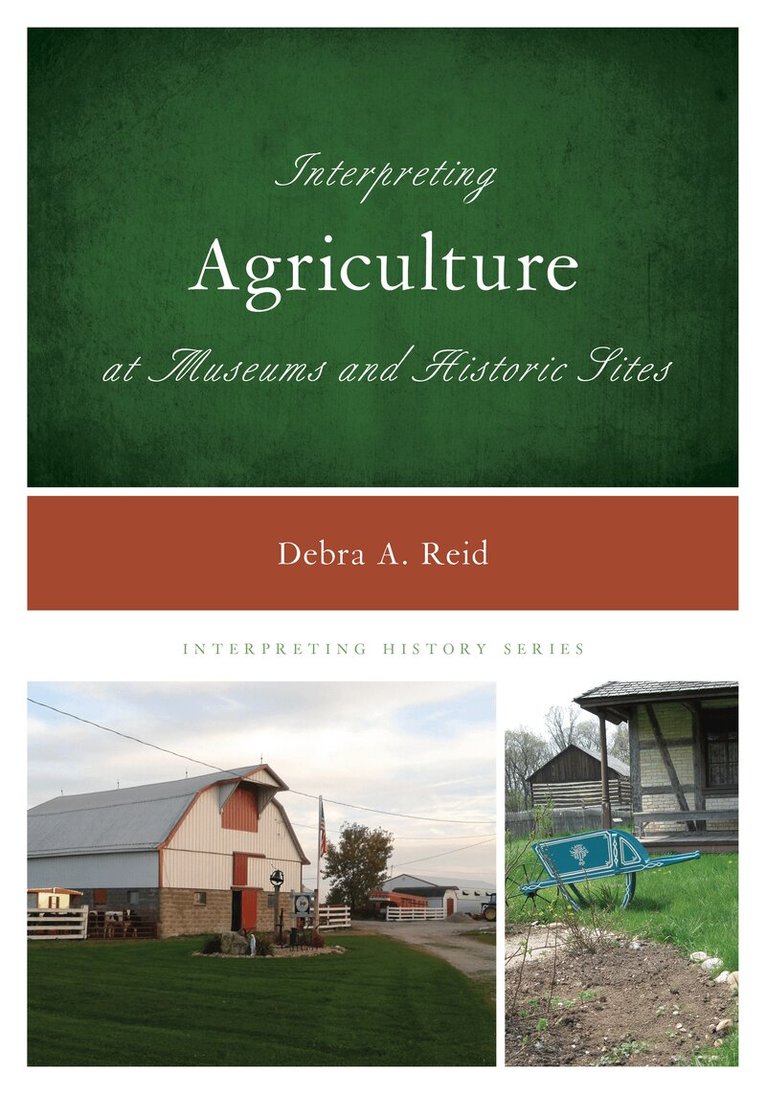
Interpreting Agriculture in Museums and Historic Sites orients readers to major themes in agriculture and techniques in education and interpretation that can help you develop humanities-based public programming that enhance agricultural literacy. Case studies illustrate the ways that local research can help you link your history organization to compelling local, national (even international) stories focused on the multidisciplinary topic. That ordinary plow, pitch fork, and butter paddle can provide the tangible evidence of the story worth telling, even if the farm land has disappeared into subdivisions and agriculture seems as remote as the nineteenth century. Other topics include discussion of alliances between rural tourism and community-supported agriculture, farmland conservation and stewardship, heritage breed and seed preservation efforts, and antique tractor clubs. Any of these can become indispensable partners to history organizations searching for a new interpretive theme to explore and new partners to engage.
1 214 kr
Skickas inom 10-15 vardagar
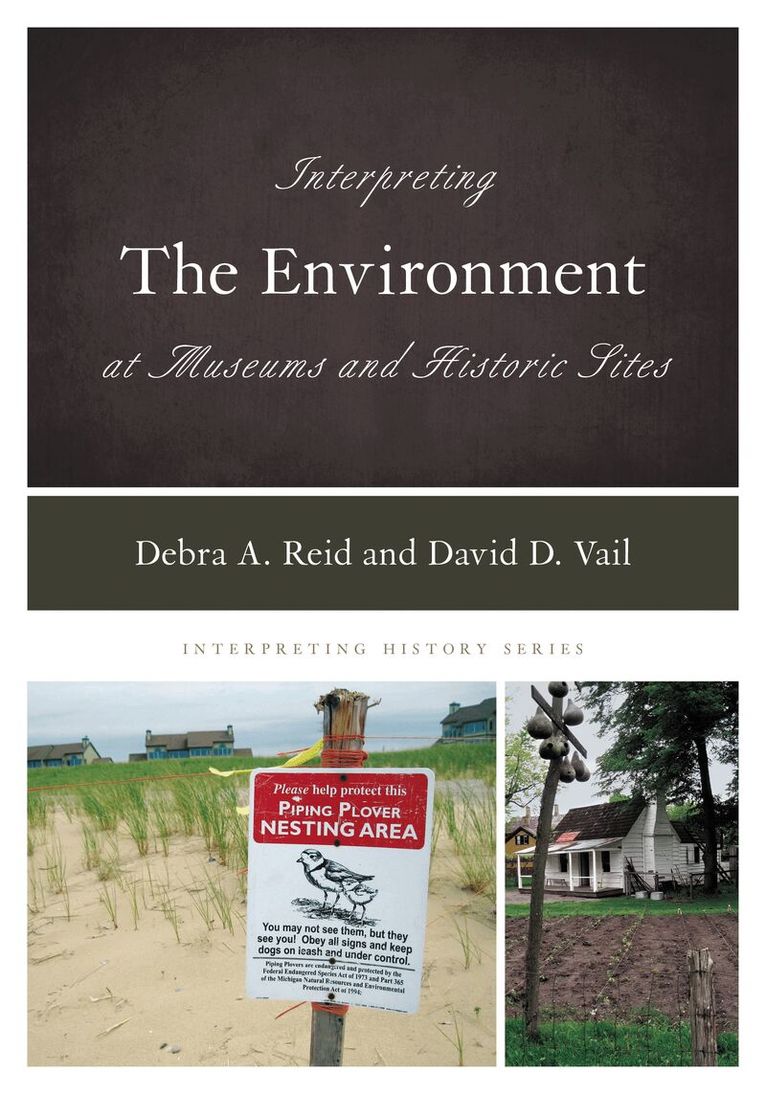
Interpreting the Environment at Museums and Historic Sites is for anyone who wants to better understand the environment that surrounds us and sustains us, who wants to become a better steward of that environment, and who wants to share lessons learned with others. The process starts by focusing attention on the environment – the physical space that constitutes the largest three-dimensional object in museum collections. It involves conceptualizing spaces and places of human influence; spaces that contain layer upon layer documenting human struggles to survive and thrive. This evidence exists in natural environments as well as city centers. The process continues by adopting an environment-centric view of the spaces destined to be interpreted. This mind-set forms the basis for devising research plans that document how humans have changed, destroyed, conserved and sustained spaces over time, and the ways that the environment reacts. Interpretation built on this evidence then becomes the basis for minds-on engagement with the places that humans inhabit and the spaces that they have changed and continue to manipulate.Interpreting the Environment at Museums and Historic Sites provides a tool kit designed to help you research environmental history, document evidence of human influence on land and the environment over time, and tailor that knowledge to new public engagement. It proposes a multi-disciplinary approach that requires expertise in the humanities as well as the sciences and social sciences to best understand space and place over time. It incorporates case studies of the theory and method of environmental history to explore how human goals take lasting shape in the environment – creating working environments, getting water, generating and harnessing power, growing food, traveling and trading, building things, and preserving natural landscapes. Features include the Interpreting the Environment Tool Kit to help you launch the good work of interpreting the environment:Raw Materials (the evidence): landscape, ecosystems, artifacts, and the built environmentPreparation (methods): thinking like a naturalist/scientist; thinking like a historian; combining approachesPlanning (envisioning the goal): proactive message, stewardship, sustainabilityPartnerships (sharing work): strength in numbers; allying across disciplinary divides; united in efforts to inform the public about their individual and collective effects on the landscape and the environmentPotential: educating the public about people and places is part of a world-wide goal with the cumulative effect of saving the planet, one story at a time.A Timeline and Bibliographic essay round out the book’s resources.
570 kr
Skickas inom 10-15 vardagar
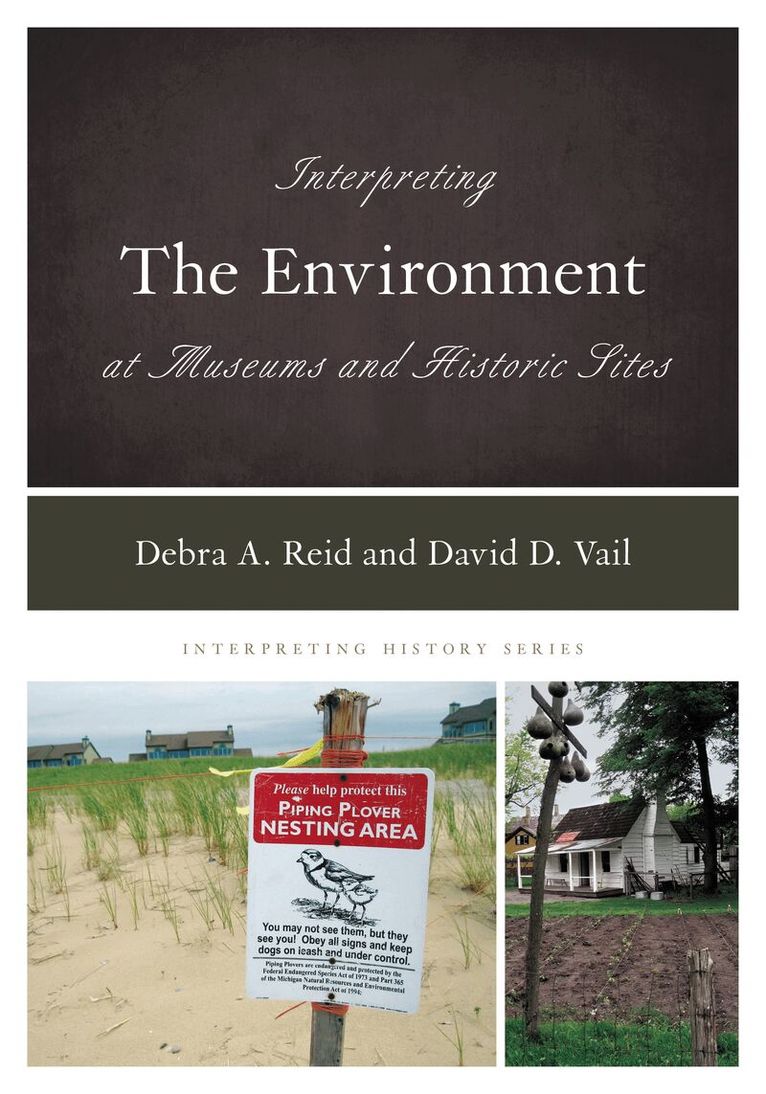
Interpreting the Environment at Museums and Historic Sites is for anyone who wants to better understand the environment that surrounds us and sustains us, who wants to become a better steward of that environment, and who wants to share lessons learned with others. The process starts by focusing attention on the environment – the physical space that constitutes the largest three-dimensional object in museum collections. It involves conceptualizing spaces and places of human influence; spaces that contain layer upon layer documenting human struggles to survive and thrive. This evidence exists in natural environments as well as city centers. The process continues by adopting an environment-centric view of the spaces destined to be interpreted. This mind-set forms the basis for devising research plans that document how humans have changed, destroyed, conserved and sustained spaces over time, and the ways that the environment reacts. Interpretation built on this evidence then becomes the basis for minds-on engagement with the places that humans inhabit and the spaces that they have changed and continue to manipulate.Interpreting the Environment at Museums and Historic Sites provides a tool kit designed to help you research environmental history, document evidence of human influence on land and the environment over time, and tailor that knowledge to new public engagement. It proposes a multi-disciplinary approach that requires expertise in the humanities as well as the sciences and social sciences to best understand space and place over time. It incorporates case studies of the theory and method of environmental history to explore how human goals take lasting shape in the environment – creating working environments, getting water, generating and harnessing power, growing food, traveling and trading, building things, and preserving natural landscapes. Features include the Interpreting the Environment Tool Kit to help you launch the good work of interpreting the environment:Raw Materials (the evidence): landscape, ecosystems, artifacts, and the built environmentPreparation (methods): thinking like a naturalist/scientist; thinking like a historian; combining approachesPlanning (envisioning the goal): proactive message, stewardship, sustainabilityPartnerships (sharing work): strength in numbers; allying across disciplinary divides; united in efforts to inform the public about their individual and collective effects on the landscape and the environmentPotential: educating the public about people and places is part of a world-wide goal with the cumulative effect of saving the planet, one story at a time.A Timeline and Bibliographic essay round out the book’s resources.
1 476 kr
Skickas inom 10-15 vardagar
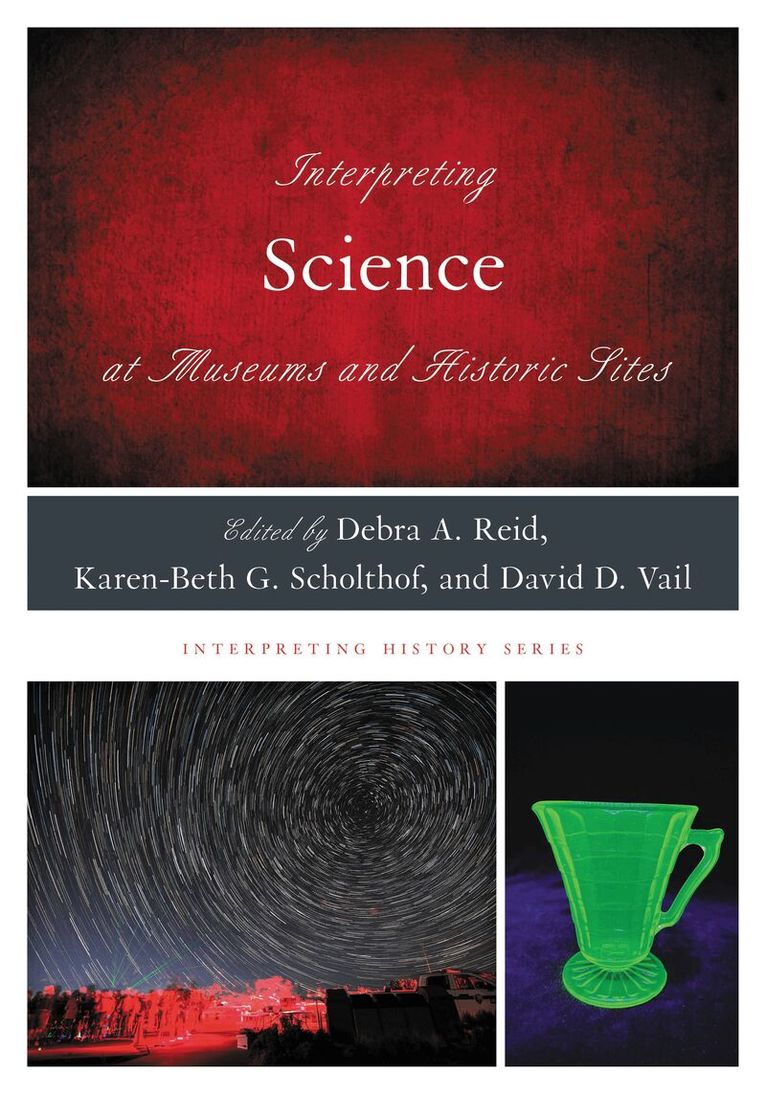
Ask not what science can do for you, but what public history can do for science! Interpreting Science in Museums and Historic Sites stresses the untapped potential of historical artifacts to inform our understanding of scientific topics. It argues that science gains ground when contextualized in museums and historic sites. Engaging audiences in conversations about hot topics such as health and medical sciences or climate change and responses to it, mediated by a history museum, can emphasize scientific rigor and the time lag between discovery and confirmation of societal benefit. Interpreting Science emphasizes the urgency of this work, provides a toolkit to start and sustain the work, shares case studies that model best practice, and resources useful to facilitate and sustain a science-infused public history.
581 kr
Skickas inom 10-15 vardagar
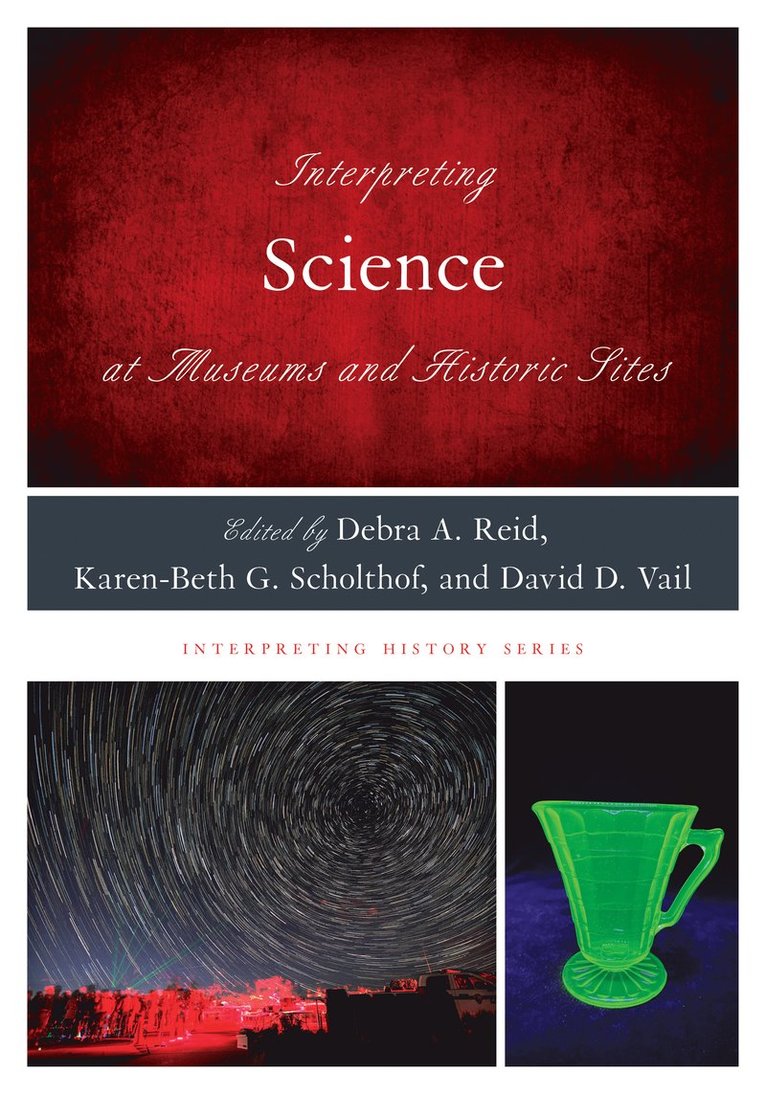
Ask not what science can do for you, but what public history can do for science! Interpreting Science in Museums and Historic Sites stresses the untapped potential of historical artifacts to inform our understanding of scientific topics. It argues that science gains ground when contextualized in museums and historic sites. Engaging audiences in conversations about hot topics such as health and medical sciences or climate change and responses to it, mediated by a history museum, can emphasize scientific rigor and the time lag between discovery and confirmation of societal benefit. Interpreting Science emphasizes the urgency of this work, provides a toolkit to start and sustain the work, shares case studies that model best practice, and resources useful to facilitate and sustain a science-infused public history.