Dennis R. Judd - Böcker
Visar alla böcker från författaren Dennis R. Judd. Handla med fri frakt och snabb leverans.
13 produkter
13 produkter
554 kr
Skickas inom 5-8 vardagar
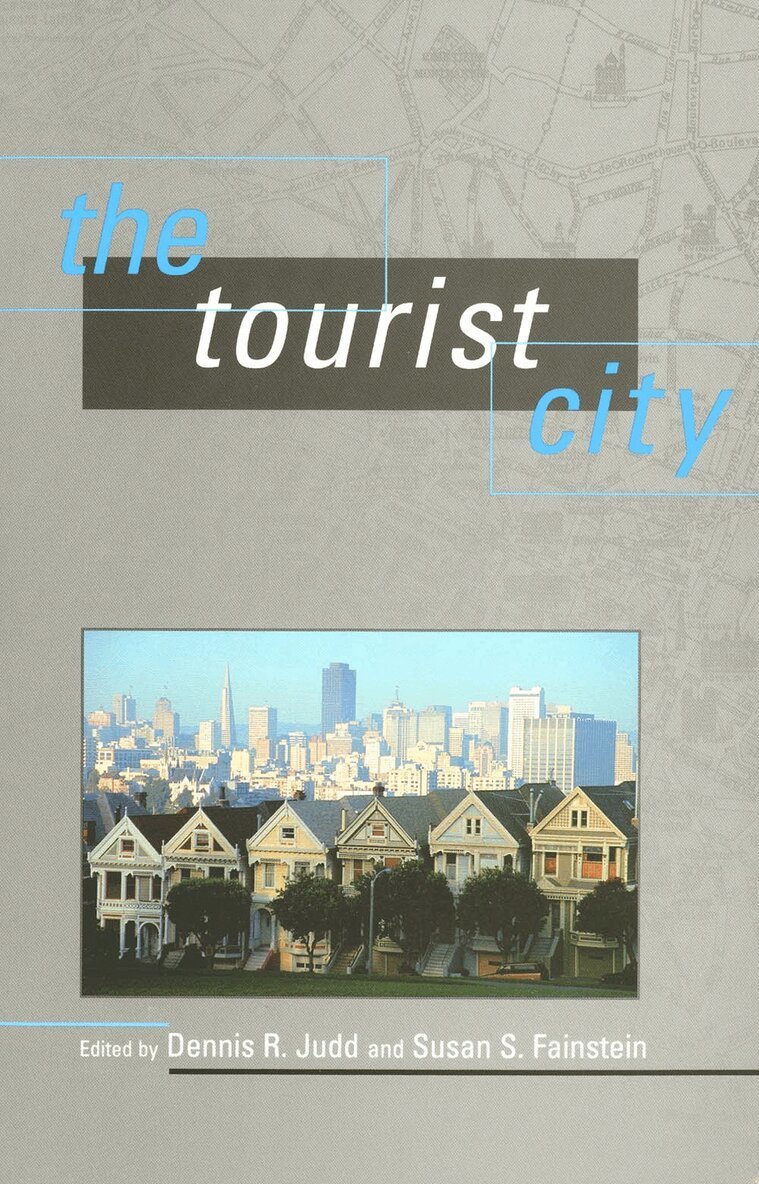
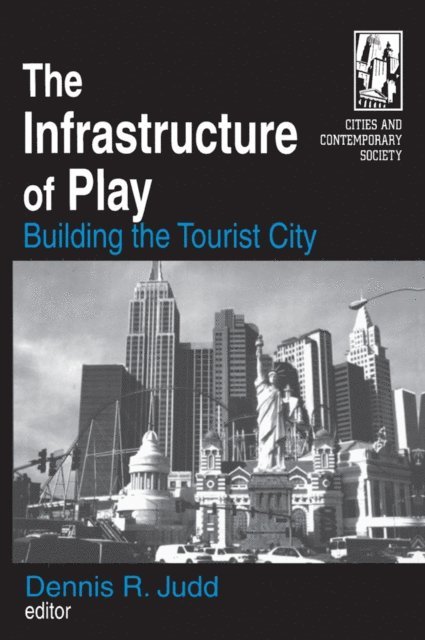
Throughout the world, cities vie for tourist dollars in a competition so intense that they sometimes totally reconstruct their downtowns and waterfronts to attract tourists. Growing at an astonishing pace, urban tourism now plays a pivotal role in the economic development strategies of urban governments around the globe. In this book, distinguished urban experts from a variety of disciplines investigate tourism and its transforming impact on cities. As cities become places to play, the authors show, tourism recasts their spatial form. In some cities, separate spaces devoted to tourism and leisure are carved out. Other cities more readily absorb tourists into daily urban life, though even these cities undergo transformation of their character. The contributors examine such U. S. tourist meccas as Las Vegas, Orlando, Boston, and New York City’s Times Square and continue on an international tour that looks at pilgrimage sites (Jerusalem), newly created resorts (Cancún), and places of artistic and historic interest (Prague). Other chapters take up important themes concerning the marketing of cities, how tourists perceive places, the construction of tourism infrastructure, and strategies for drawing tourists, including sports, riverboat gambling, and sex tourism in Southeast Asia.
2 625 kr
Skickas inom 10-15 vardagar
Using in-depth case studies, this volume shows how the infrastructure of tourism has transformed cities throughout North America. It makes clear that the modern urban environment is being thoroughly altered to emphasize the growing tourism sector in such areas as renovated waterfronts.
725 kr
Skickas inom 10-15 vardagar
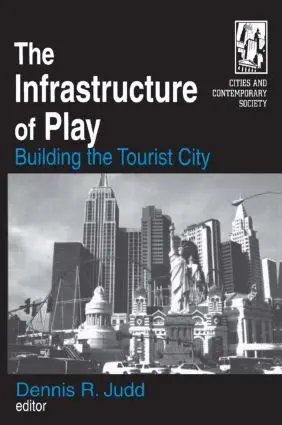
Using in-depth case studies, this volume shows how the infrastructure of tourism has transformed cities throughout North America. It makes clear that the modern urban environment is being thoroughly altered to emphasize the growing tourism sector in such areas as renovated waterfronts.
796 kr
Skickas inom 7-10 vardagar
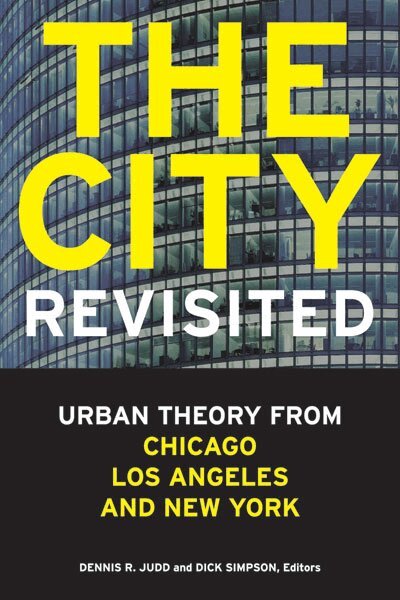
The contributors to The City, Revisited trace an intellectual history that begins in 1925 with the publication of the influential classic The City, engaging in a spirited debate about whether the major theories of twentieth-century urban development are relevant for studying the twenty-first-century metropolis.Contributors: Janet Abu-Lughod, Northwestern U and New School for Social Research; Robert Beauregard, Columbia U; Larry Bennett, DePaul U; Andrew A. Beveridge, Queens College and CUNY; Amy Bridges, U of California, San Diego; Terry Nichols Clark, U of Chicago; Nicholas Dahmann, U of Southern California; Michael Dear, U of California, Berkeley; Steven P. Erie, U of California, San Diego; Frank Gaffikin, Queen's U of Belfast; David Halle, U of California, Los Angeles; Tom Kelly, U of Illinois at Chicago; Ratoola Kunda, U of Illinois at Chicago; Scott A. MacKenzie, U of California, Davis; John Mollenkopf, CUNY; David C. Perry, U of Illinois at Chicago; Francisco Sabatini, Ponticia Universidad Catolica de Chile; Rodrigo Salcedo, Pontificia Universidad Catolica de Santiago; Dick Simpson, U of Illinois at Chicago; Daphne Spain, U of Virginia; Costas Spirou, National-Louis U in Chicago.
287 kr
Skickas inom 10-15 vardagar
The contributors to The City, Revisited trace an intellectual history that begins in 1925 with the publication of the influential classic The City, engaging in a spirited debate about whether the major theories of twentieth-century urban development are relevant for studying the twenty-first-century metropolis.Contributors: Janet Abu-Lughod, Northwestern U and New School for Social Research; Robert Beauregard, Columbia U; Larry Bennett, DePaul U; Andrew A. Beveridge, Queens College and CUNY; Amy Bridges, U of California, San Diego; Terry Nichols Clark, U of Chicago; Nicholas Dahmann, U of Southern California; Michael Dear, U of California, Berkeley; Steven P. Erie, U of California, San Diego; Frank Gaffikin, Queen's U of Belfast; David Halle, U of California, Los Angeles; Tom Kelly, U of Illinois at Chicago; Ratoola Kunda, U of Illinois at Chicago; Scott A. MacKenzie, U of California, Davis; John Mollenkopf, CUNY; David C. Perry, U of Illinois at Chicago; Francisco Sabatini, Ponticia Universidad Catolica de Chile; Rodrigo Salcedo, Pontificia Universidad Catolica de Santiago; Dick Simpson, U of Illinois at Chicago; Daphne Spain, U of Virginia; Costas Spirou, National-Louis U in Chicago.
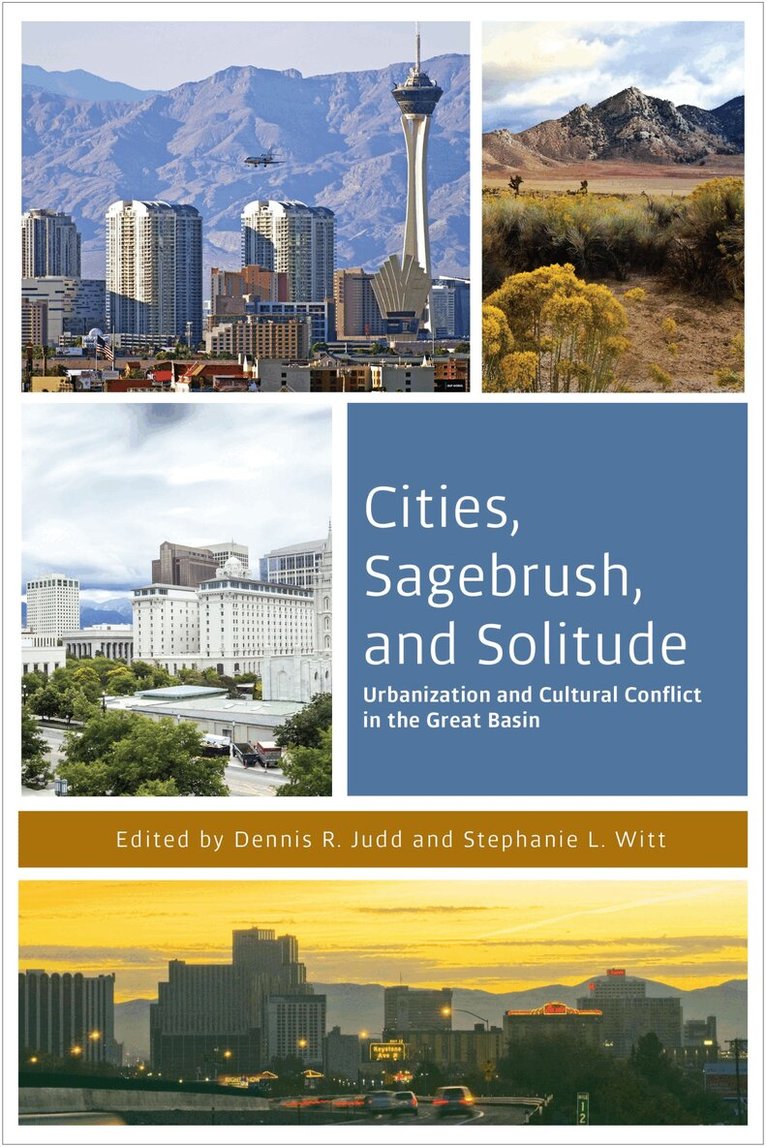
Cities, Sagebrush, and Solitude
Urbanization and Cultural Conflict in the Great Basin
Häftad, Engelska, 2015
362 kr
Skickas inom 7-10 vardagar
Cities, Sagebrush, and Solitude explores the transformation of the largest desert in North America, the Great Basin, into America’s last urban frontier. In recent decades Las Vegas, Reno, Salt Lake City, and Boise have become the anchors for sprawling metropolitan regions. This population explosion has been fueled by the maturing of Las Vegas as the nation’s entertainment capital, the rise of Reno as a magnet for multitudes of California expatriates, the development of Salt Lake City’s urban corridor along the Wasatch Range, and the growth of Boise’s celebrated high-tech economy and hip urban culture.The blooming of cities in a fragile desert region poses a host of environmental challenges. The policies required to manage their impact, however, often collide with an entrenched political culture that has long resisted cooperative or governmental effort. The alchemical mixture of three ingredients--cities, aridity, and a libertarian political outlook--makes the Great Basin a compelling place to study. This book addresses a pressing question: are large cities ultimately sustainable in such a fragile environment?
1 227 kr
Skickas inom 10-15 vardagar
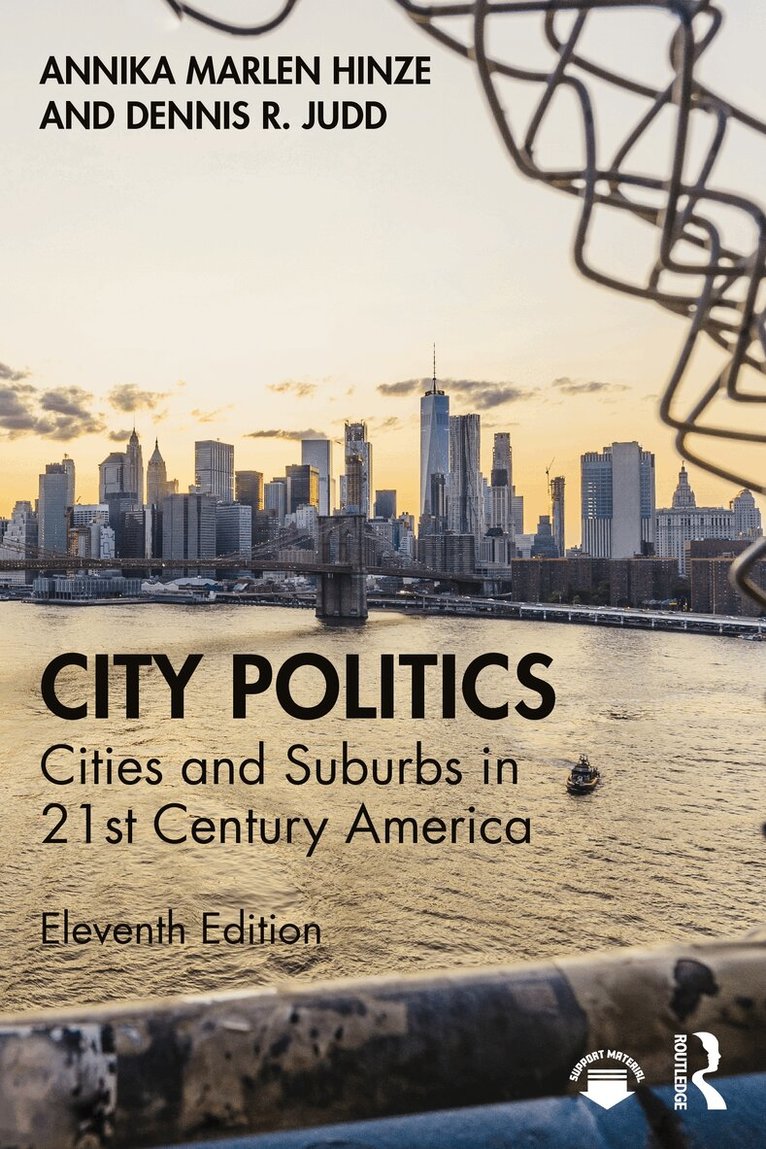
City Politics has received praise for the clarity of its writing, careful research, and distinctive theme – that urban politics in the United States has evolved as a dynamic interaction between governmental power, private actors, and a politics of identity.The book’s enduring appeal lies in its persuasive explanation, careful attention to historical detail, and accessible and elegant way of teaching the complexity and breadth of urban and regional politics which unfold at the intersection of spatial, cultural, economic, and policy dynamics. This 11th edition has been thoroughly updated while retaining the popular structure of past editions.Key updates include:• Individual chapters introducing students to pressing urban issues such as race and racism, gentrification, sustainability and the environment, urban crises, shrinking cities, immigration, and suburbanization, political polarization, and the COVID-19 pandemic's impact on cities• The most recent census data integrated throughout to provide current figures for analysis, discussion, and a more nuanced understanding of current trends.• The effects of the events of 2020 on cities – namely the Coronavirus pandemic; the murder of George Floyd and its aftermath, and the growth of the Black Lives Matter Movement; and the U.S. presidential election in November• The new and present challenges of the climate crisis, and its growing significance for cities.Taught on its own, or supplemented with the optional reader American Urban Politics in a Global Age for more advanced readers, City Politics remains the definitive text on urban politics – and how they have evolved in the United States over time. This is a comprehensive resource for a new generation of undergraduate and graduate students, as well as established researchers in the discipline.This book is accompanied by Support Material online: www.routledge.com/9781032006352
3 265 kr
Skickas inom 10-15 vardagar
City Politics has received praise for the clarity of its writing, careful research, and distinctive theme – that urban politics in the United States has evolved as a dynamic interaction between governmental power, private actors, and a politics of identity.The book’s enduring appeal lies in its persuasive explanation, careful attention to historical detail, and accessible and elegant way of teaching the complexity and breadth of urban and regional politics which unfold at the intersection of spatial, cultural, economic, and policy dynamics. This 11th edition has been thoroughly updated while retaining the popular structure of past editions.Key updates include:• Individual chapters introducing students to pressing urban issues such as race and racism, gentrification, sustainability and the environment, urban crises, shrinking cities, immigration, and suburbanization, political polarization, and the COVID-19 pandemic's impact on cities• The most recent census data integrated throughout to provide current figures for analysis, discussion, and a more nuanced understanding of current trends.• The effects of the events of 2020 on cities – namely the Coronavirus pandemic; the murder of George Floyd and its aftermath, and the growth of the Black Lives Matter Movement; and the U.S. presidential election in November• The new and present challenges of the climate crisis, and its growing significance for cities.Taught on its own, or supplemented with the optional reader American Urban Politics in a Global Age for more advanced readers, City Politics remains the definitive text on urban politics – and how they have evolved in the United States over time. This is a comprehensive resource for a new generation of undergraduate and graduate students, as well as established researchers in the discipline.This book is accompanied by Support Material online: www.routledge.com/9781032006352
Del 11 - IJURR Studies in Urban and Social Change Book Series
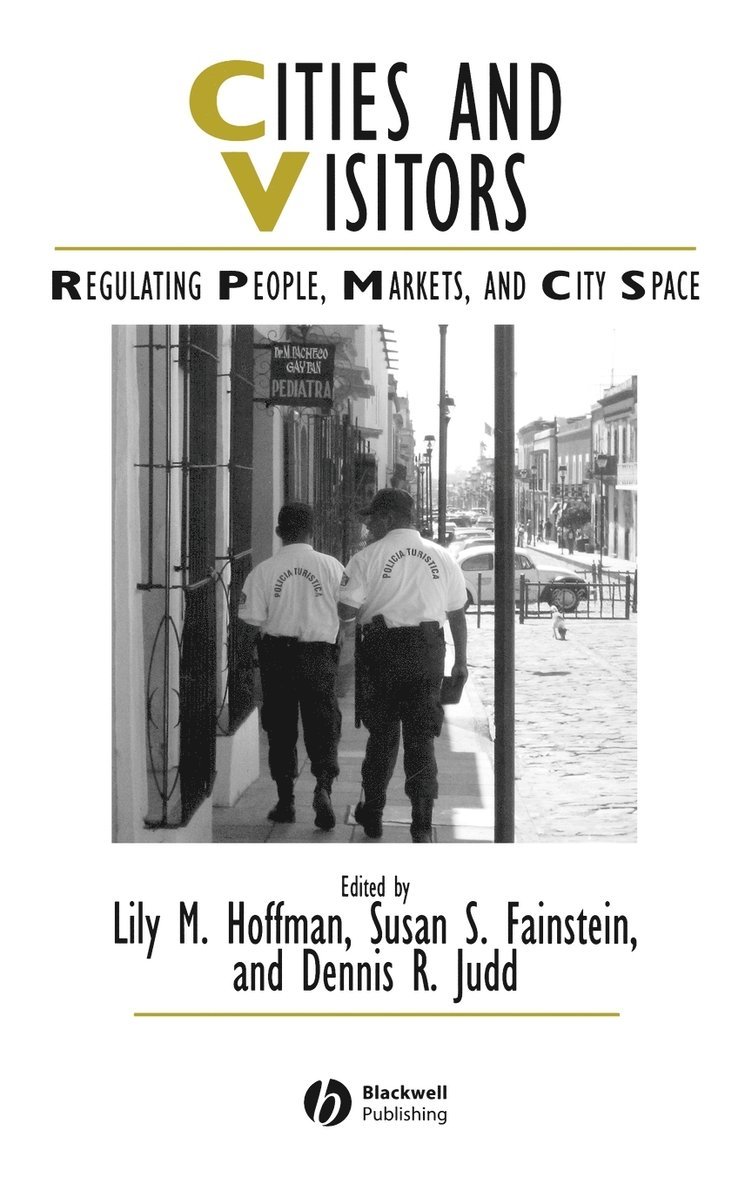
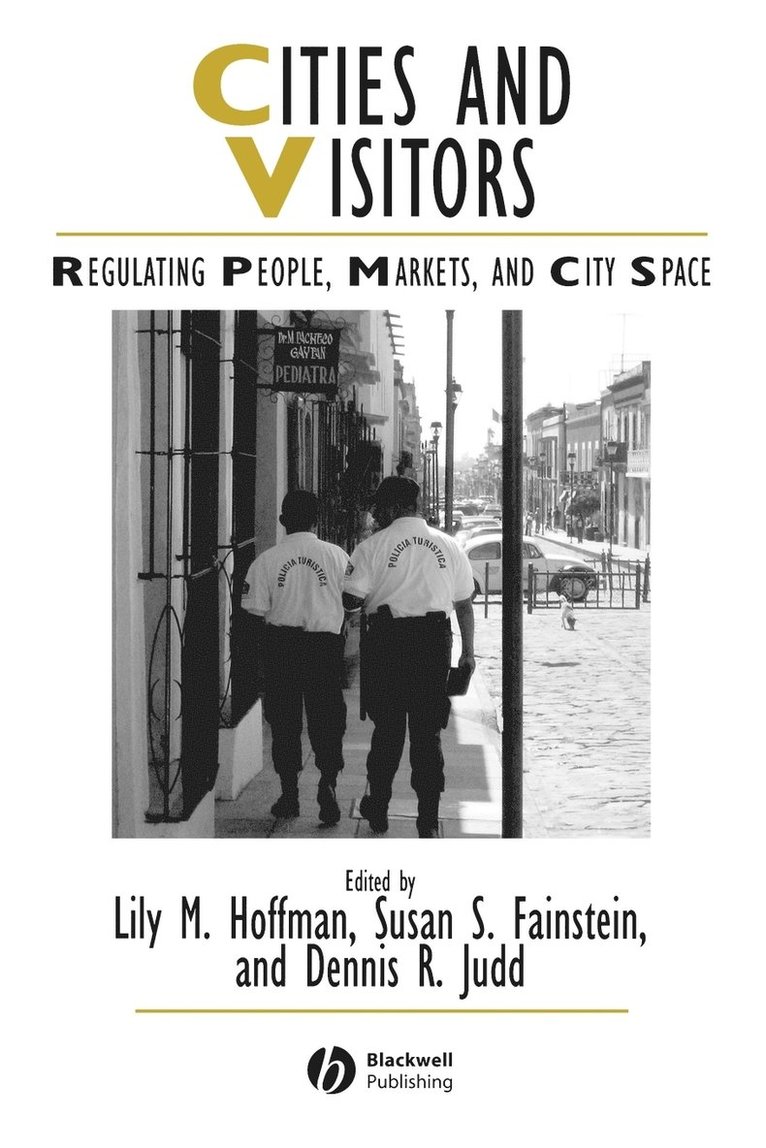
Cities and Visitors
Regulating People, Markets, and City Space
Inbunden, Engelska, 2003
796 kr
Skickas inom 7-10 vardagar
The authors of this book use regulation theory to bring theoretical focus and analytic clarity to the study of urban tourism. Provides a unifying analytic framework for the study of urban tourism.Brings urban tourism into focus as an important political, economic and cultural phenomenon.Presents original essays written by established scholars, including studies of Venice, Mexico, Montreal, New York, Los Angeles, London, Barcelona, Berlin, Amsterdam, Paris, and Australia's Gold Coast.
Del 1 - IJURR Studies in Urban and Social Change Book Series
Cities and Visitors
Regulating People, Markets, and City Space
Häftad, Engelska, 2003
270 kr
Skickas inom 7-10 vardagar
The authors of this book use regulation theory to bring theoretical focus and analytic clarity to the study of urban tourism. Provides a unifying analytic framework for the study of urban tourism.Brings urban tourism into focus as an important political, economic and cultural phenomenon.Presents original essays written by established scholars, including studies of Venice, Mexico, Montreal, New York, Los Angeles, London, Barcelona, Berlin, Amsterdam, Paris, and Australia's Gold Coast.
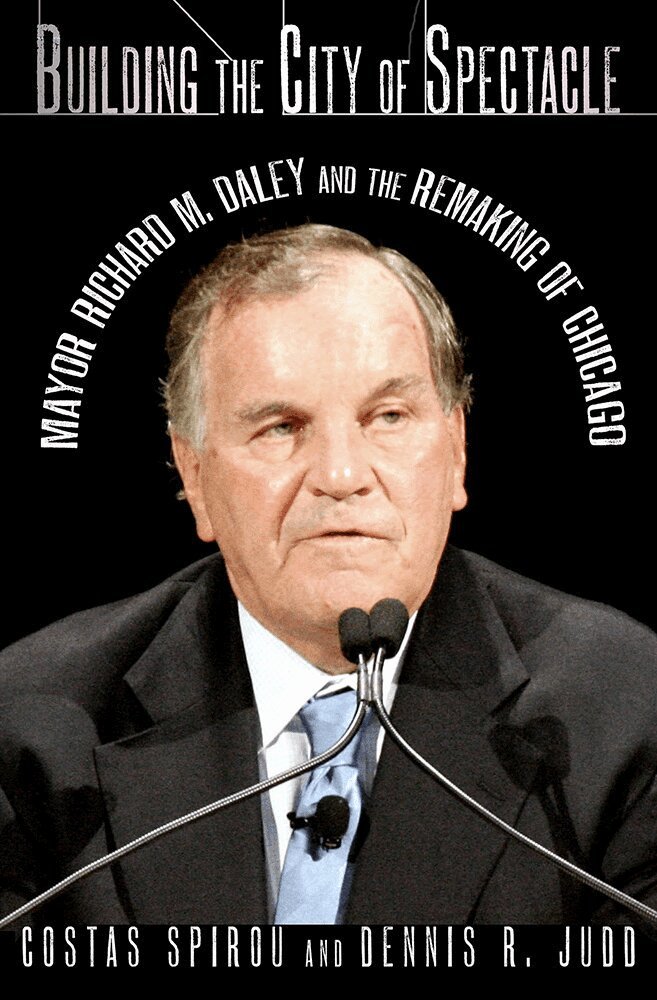
Building the City of Spectacle
Mayor Richard M. Daley and the Remaking of Chicago
Inbunden, Engelska, 2016
427 kr
Skickas inom 7-10 vardagar
By the time he left office on May 16, 2011, Mayor Richard M. Daley had served six terms and more than twenty-two years at the helm of Chicago's City Hall, making him the longest serving mayor in the city's history. Richard M. Daley was the son of the legendary machine boss, Mayor Richard J. Daley, who had presided over the city during the post–World War II urban crisis. Richard M. Daley led a period of economic restructuring after that difficult era by building a vibrant tourist economy. Costas Spirou and Dennis R. Judd focus on Richard M. Daley's role in transforming Chicago's economy and urban culture.The construction of the "city of spectacle" required that Daley deploy leadership and vision to remake Chicago's image and physical infrastructure. He gained the resources and political power necessary for supporting an aggressive program of construction that focused on signature projects along the city's lakefront, including especially Millennium Park, Navy Pier, the Museum Campus, Northerly Island, Soldier Field, and two major expansions of McCormick Place, the city's convention center. During this period Daley also presided over major residential construction in the Loop and in the surrounding neighborhoods, devoted millions of dollars to beautification efforts across the city, and increased the number of summer festivals and events across Grant Park. As a result of all these initiatives, the number of tourists visiting Chicago skyrocketed during the Daley years.Daley has been harshly criticized in some quarters for building a tourist-oriented economy and infrastructure at the expense of other priorities. Daley left his successor, Rahm Emanuel, with serious issues involving a long-standing pattern of police malfeasance, underfunded and uneven schools, inadequate housing opportunities, and intractable budgetary crises. Nevertheless, Spirou and Judd conclude, because Daley helped transform Chicago into a leading global city with an exceptional urban culture, he also left a positive imprint on the city that will endure for decades to come.
1 288 kr
Skickas inom 10-15 vardagar
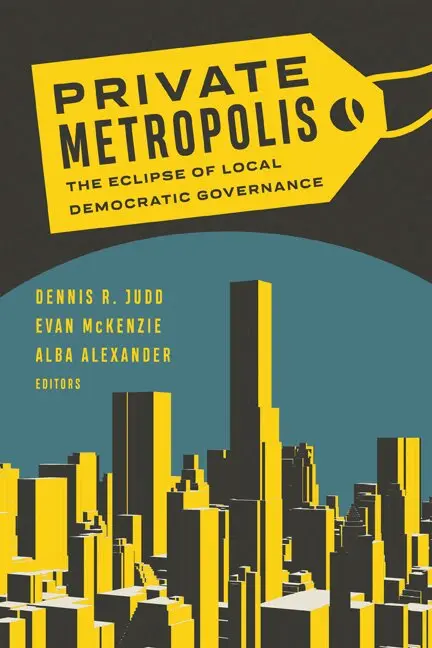
Examines the complex ecology of quasi-public and privatized institutions that mobilize and administer many of the political, administrative, and fiscal resources of today’s metropolitan regionsIn recent decades metropolitan regions in the United States have witnessed the rise of multitudes of “shadow governments” that often supersede or replace functions traditionally associated with municipalities and other local governments inherited from the urban past. Shadow governments take many forms, ranging from billion-dollar special authorities that span entire urban regions, to public–private partnerships and special districts created to accomplish particular tasks, to privatized gated communities, to neighborhood organizations empowered to receive private and public funds. They finance and administer public services ranging from the prosaic (garbage collection and water utilities) to the transformative (economic development and infrastructure). Private Metropolis demonstrates that this complex ecosystem of local governance has compromised and even eclipsed democratic processes by moving important policy decisions out of public sight. The quasi-public institutions of urban governance generally escape the budgetary and statutory restraints imposed on traditional local governments and protect policy decisions from the limitations and vagaries of electoral politics. Moving major policy decisions into a privatized and corporatized realm facilitates efficiency and speed, but at the cost of democratic oversight. Increasingly, the urban electorate is left debating symbolic issues only tangentially connected to the actual distribution of the resources that affect people’s lives. The essays in Private Metropolis grapple with the difficult and timely questions that arise from this new ecology of governance: What are the consequences of the proliferation of special authorities, privatized governments, and public–private arrangements? Is the trade-off between democratic accountability and efficiency worth it? Has the public sector, with its messiness and inefficiencies-but also its checks and balances-ceded too much power to these new institutions? By examining such questions, this book provokes a long-overdue debate about the future of urban governance.Contributors: Douglas Cantor, California State U, Long Beach; Ellen Dannin, Pennsylvania State U; Jameson W. Doig, Princeton U; Mary Donoghue; Peter Eisinger, New School; Steven P. Erie, U of California, San Diego; Rebecca Hendrick, U of Illinois at Chicago; Sara Hinkley, U of California, Berkeley; Amanda Kass, U of Illinois at Chicago; Scott A. MacKenzie, U of California, Davis; David C. Perry, U of Illinois at Chicago; James M. Smith, U of Indiana South Bend; Shu Wang, Michigan State U; Rachel Weber, U of Illinois at Chicago.
234 kr
Skickas
Examines the complex ecology of quasi-public and privatized institutions that mobilize and administer many of the political, administrative, and fiscal resources of today’s metropolitan regionsIn recent decades metropolitan regions in the United States have witnessed the rise of multitudes of “shadow governments” that often supersede or replace functions traditionally associated with municipalities and other local governments inherited from the urban past. Shadow governments take many forms, ranging from billion-dollar special authorities that span entire urban regions, to public–private partnerships and special districts created to accomplish particular tasks, to privatized gated communities, to neighborhood organizations empowered to receive private and public funds. They finance and administer public services ranging from the prosaic (garbage collection and water utilities) to the transformative (economic development and infrastructure). Private Metropolis demonstrates that this complex ecosystem of local governance has compromised and even eclipsed democratic processes by moving important policy decisions out of public sight. The quasi-public institutions of urban governance generally escape the budgetary and statutory restraints imposed on traditional local governments and protect policy decisions from the limitations and vagaries of electoral politics. Moving major policy decisions into a privatized and corporatized realm facilitates efficiency and speed, but at the cost of democratic oversight. Increasingly, the urban electorate is left debating symbolic issues only tangentially connected to the actual distribution of the resources that affect people’s lives. The essays in Private Metropolis grapple with the difficult and timely questions that arise from this new ecology of governance: What are the consequences of the proliferation of special authorities, privatized governments, and public–private arrangements? Is the trade-off between democratic accountability and efficiency worth it? Has the public sector, with its messiness and inefficiencies-but also its checks and balances-ceded too much power to these new institutions? By examining such questions, this book provokes a long-overdue debate about the future of urban governance.Contributors: Douglas Cantor, California State U, Long Beach; Ellen Dannin, Pennsylvania State U; Jameson W. Doig, Princeton U; Mary Donoghue; Peter Eisinger, New School; Steven P. Erie, U of California, San Diego; Rebecca Hendrick, U of Illinois at Chicago; Sara Hinkley, U of California, Berkeley; Amanda Kass, U of Illinois at Chicago; Scott A. MacKenzie, U of California, Davis; David C. Perry, U of Illinois at Chicago; James M. Smith, U of Indiana South Bend; Shu Wang, Michigan State U; Rachel Weber, U of Illinois at Chicago.