Elizabeth Reitz - Böcker
Visar alla böcker från författaren Elizabeth Reitz. Handla med fri frakt och snabb leverans.
4 produkter
4 produkter
552 kr
Skickas inom 10-15 vardagar
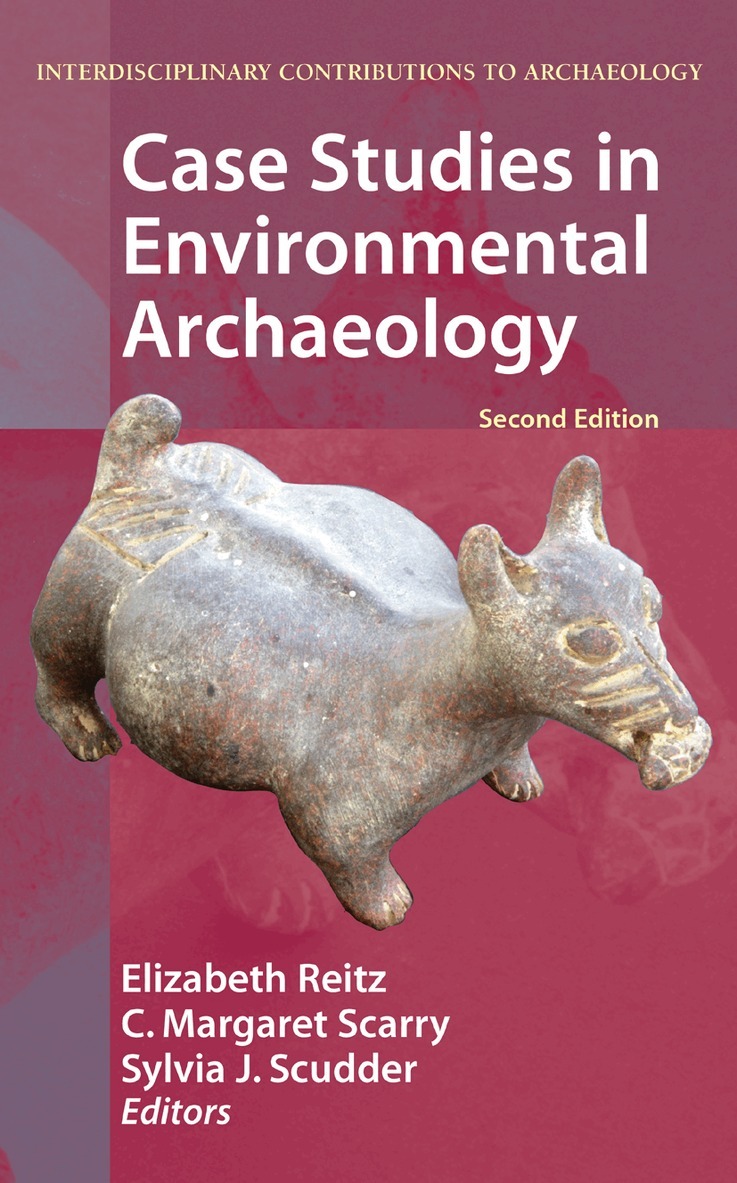
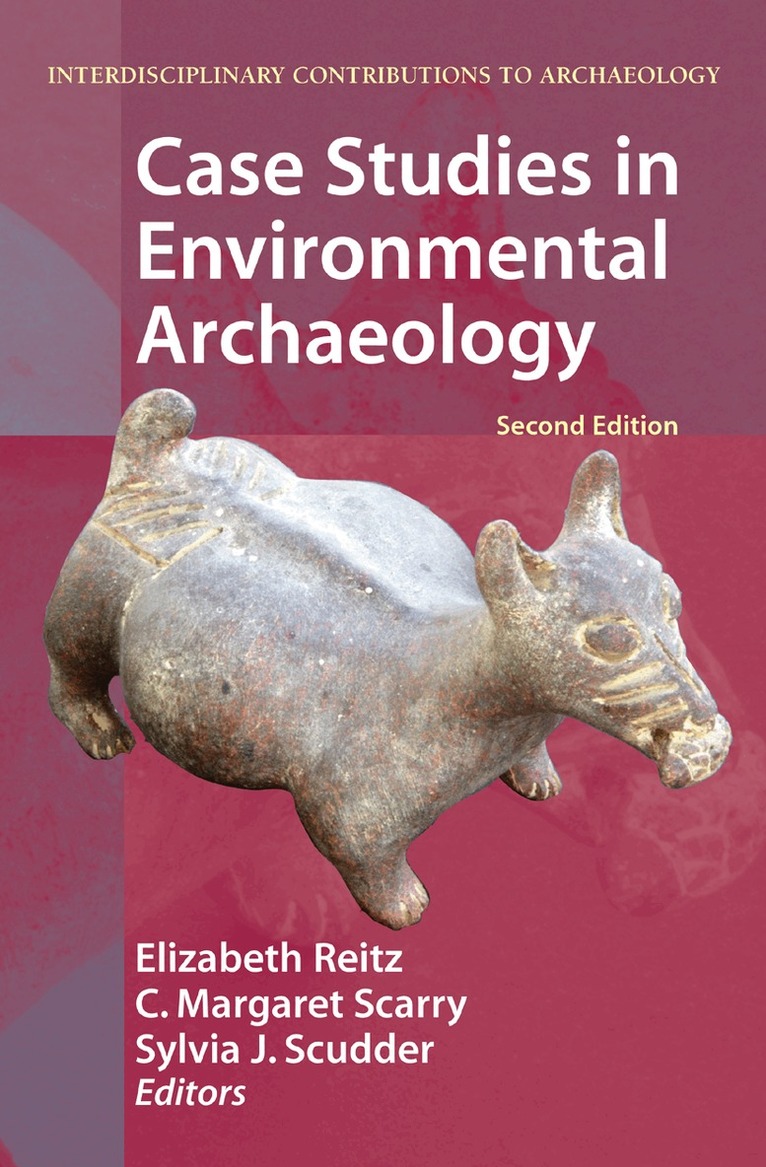
A few years ago, one of us was approached by a student who asked if we really knew anything about human behavior from environmental archaeology. This student was taking an environmental archaeology course in which taphonomy and the biases of the techniques and methods used by environmental archae- ogists figured prominently. The goal was to train students to be informed users of environmental data. But the student, quite rightly, wanted to know if beyond taphonomy, recovery biases, and analytical biases, there was anything envir- mental archaeologists could say about the human condition. Her question was the stimulus for the first edition of this volume and continued to guide us as we edited this second edition. Our purpose is to show students and scholars, through a series of case studies, that there are things environmental archaeologists do know about the human-environmental relationship; many of which defy conventional archaeological expectations. To do so, however, we must break with the t- ditional organization of environmental archaeology along disciplinary lines. Environmental archaeology is intrinsically interdisciplinary. The demands of each discipline often mean, however, that specialists become further speci- ized in a very limited technical focus. While almost every environmental technique and method is represented in this edition, they are used as tools, not as ends in themselves.
606 kr
Skickas inom 10-15 vardagar
A few years ago, one of us was approached by a student who asked if we really knew anything about human behavior from environmental archaeology. This student was taking an environmental archaeology course in which taphonomy and the biases of the techniques and methods used by environmental archae- ogists figured prominently.
1 205 kr
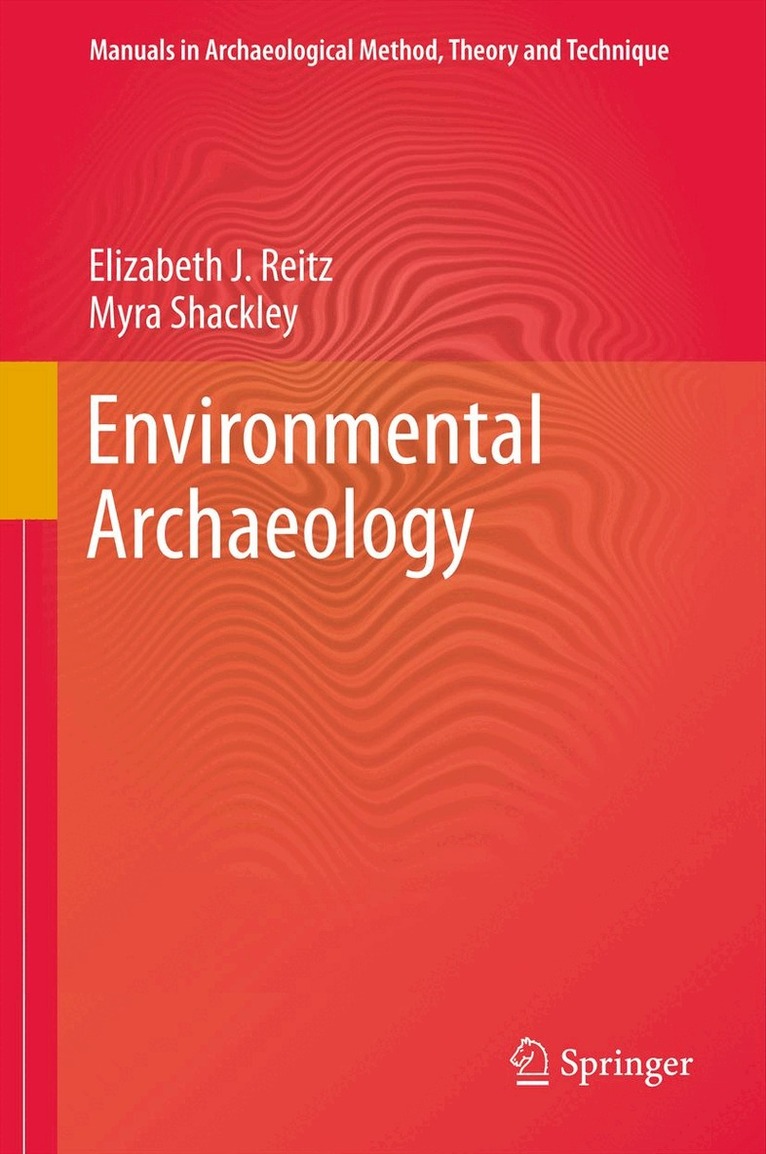
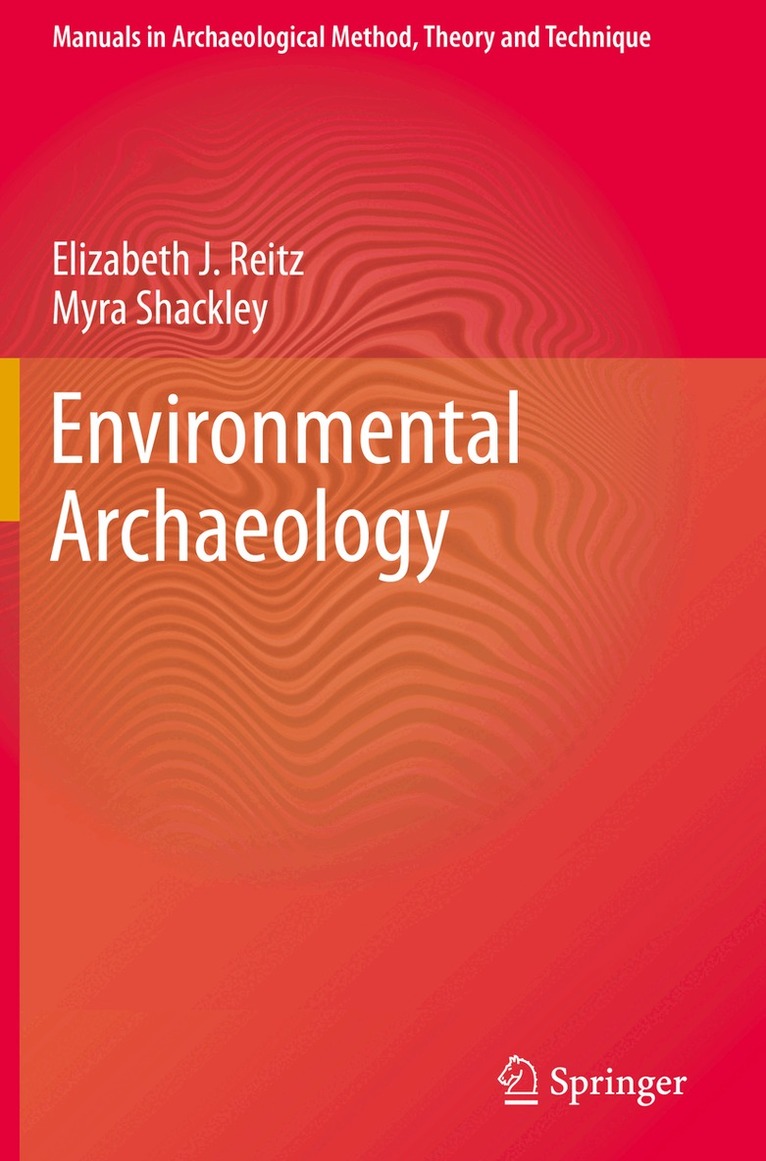
One of the most significant developments in archaeology in recent years is the emergence of its environmental branch: the study of humans’ interactions with their natural surroundings over long periods and of organic remains instead of the artifacts and household items generally associated with sites. With the current attention paid to human responsibility for environmental change, this innovative field is recognized by scientists, conservation and heritage managers and policymakers worldwide. In this context comes Environmental Archaeology by Elizabeth Reitz and Myra Shackley, updating the seminal 1981 text Environmental Archaeology by Myra Shackley. Rigorously detailed yet concise and accessible, this volume surveys the complex and technical field of environmental archaeology for researchers interested in the causes, consequences and potential future impact of environmental change and archaeology. Its coverage acknowledges the multiple disciplines involved in the field, expanding the possibilities for using environmental data from archaeological sites in enriching related disciplines and improving communication among them. Introductory chapters explain the processes involved in the formation of sites, introduce research designs and field methods and walk the reader through biological classifications before focusing on the various levels of biotic and abiotic materials found at sites, including: Sediments and soils. Viruses, bacteria, archaea, protists and fungi. Bryophytes and vascular plants. Wood, charcoal, stems, leaves and roots. Spores, pollen and other microbotanical remains. Arthropods, molluscs, echinoderms and vertebrates. Stable isotopes, elements and biomolecules. The updated Environmental Archaeology is a major addition to the resource library of archaeologists, environmentalists, historians, researchers, policymakers—anyone involved in studying, managing or preserving historical sites. The updated Environmental Archaeology is a majoraddition to the resource library of archaeologists, environmentalists, historians, researchers, policymakers—anyone involved in studying, managing, or preserving historical sites.
987 kr
Skickas inom 10-15 vardagar
One of the most significant developments in archaeology in recent years is the emergence of its environmental branch: the study of humans’ interactions with their natural surroundings over long periods and of organic remains instead of the artifacts and household items generally associated with sites. With the current attention paid to human responsibility for environmental change, this innovative field is recognized by scientists, conservation and heritage managers and policymakers worldwide. In this context comes Environmental Archaeology by Elizabeth Reitz and Myra Shackley, updating the seminal 1981 text Environmental Archaeology by Myra Shackley. Rigorously detailed yet concise and accessible, this volume surveys the complex and technical field of environmental archaeology for researchers interested in the causes, consequences and potential future impact of environmental change and archaeology. Its coverage acknowledges the multiple disciplines involved in the field, expanding the possibilities for using environmental data from archaeological sites in enriching related disciplines and improving communication among them. Introductory chapters explain the processes involved in the formation of sites, introduce research designs and field methods and walk the reader through biological classifications before focusing on the various levels of biotic and abiotic materials found at sites, including: Sediments and soils. Viruses, bacteria, archaea, protists and fungi. Bryophytes and vascular plants. Wood, charcoal, stems, leaves and roots. Spores, pollen and other microbotanical remains. Arthropods, molluscs, echinoderms and vertebrates. Stable isotopes, elements and biomolecules. The updated Environmental Archaeology is a major addition to the resource library of archaeologists, environmentalists, historians, researchers, policymakers—anyone involved in studying, managing or preserving historical sites. The updated Environmental Archaeology is a majoraddition to the resource library of archaeologists, environmentalists, historians, researchers, policymakers—anyone involved in studying, managing, or preserving historical sites.