C. Margaret Scarry – författare
Visar alla böcker från författaren C. Margaret Scarry. Handla med fri frakt och snabb leverans.
9 produkter
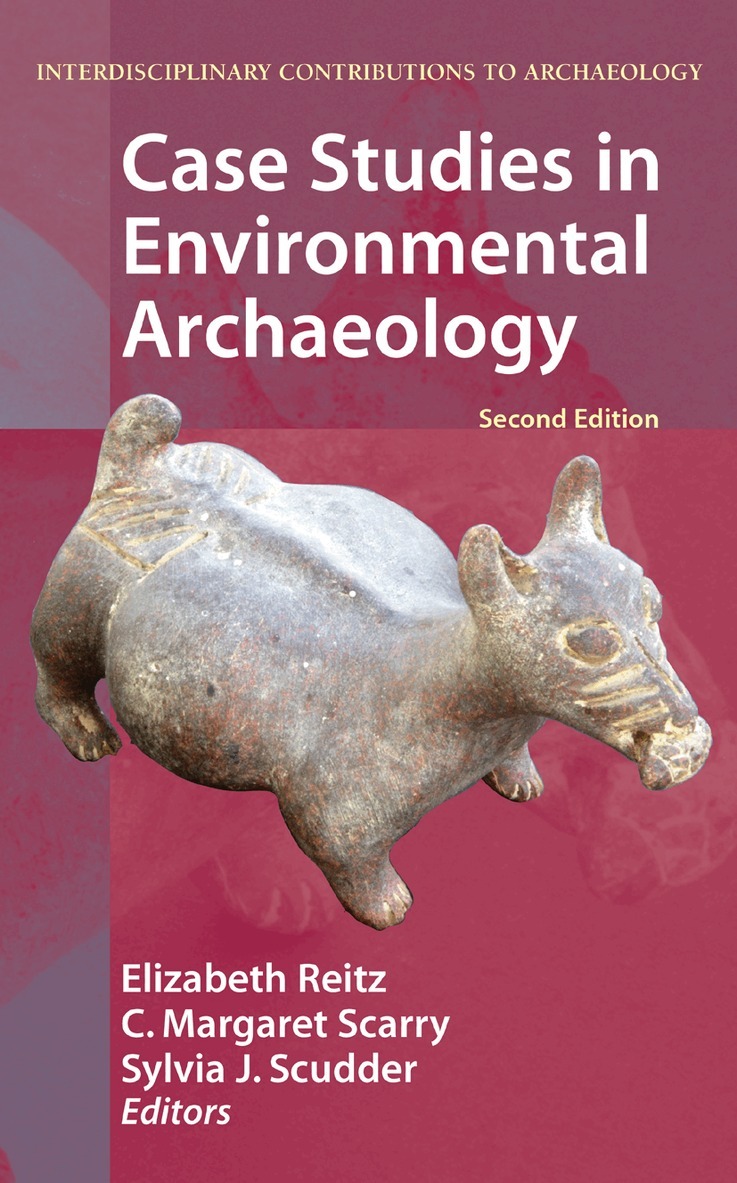
Case Studies in Environmental Archaeology
Av Elizabeth Reitz, C. Margaret Scarry m. fl.
Inbunden, 2007
568 kr
Lägg i varukorg
A few years ago, one of us was approached by a student who asked if we really knew anything about human behavior from environmental archaeology. This student was taking an environmental archaeology course in which taphonomy and the biases of the techniques and methods used by environmental archae- …
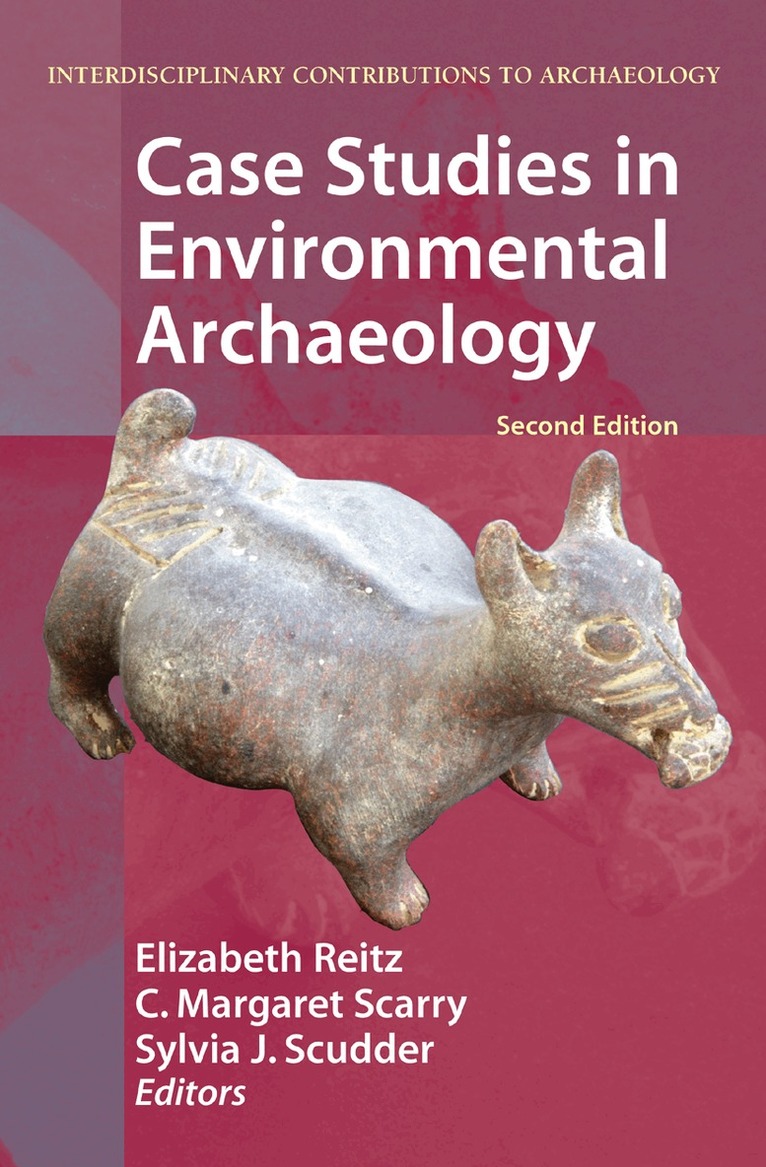
Case Studies in Environmental Archaeology
Av Sylvia J. Scudder, C. Margaret Scarry m. fl.
E-bok, 2007
839 kr
Lägg i varukorg
A few years ago, one of us was approached by a student who asked if we really knew anything about human behavior from environmental archaeology. This student was taking an environmental archaeology course in which taphonomy and the biases of the techniques and methods used by environmental archae- …
Case Studies in Environmental Archaeology
Av Elizabeth Reitz, C. Margaret Scarry m. fl.
Häftad, 2007
624 kr
Lägg i varukorg
A few years ago, one of us was approached by a student who asked if we really knew anything about human behavior from environmental archaeology. This student was taking an environmental archaeology course in which taphonomy and the biases of the techniques and methods used by environmental archae- …
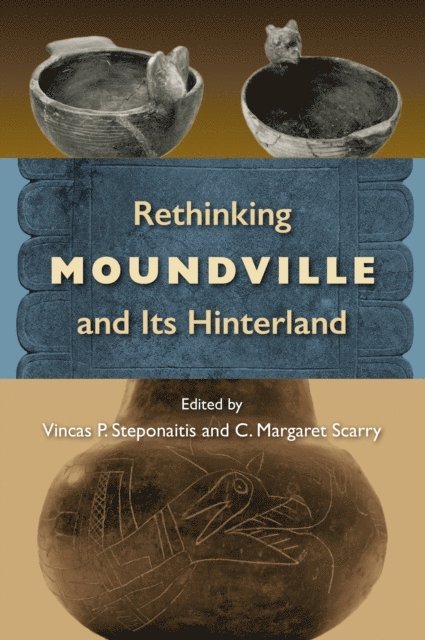
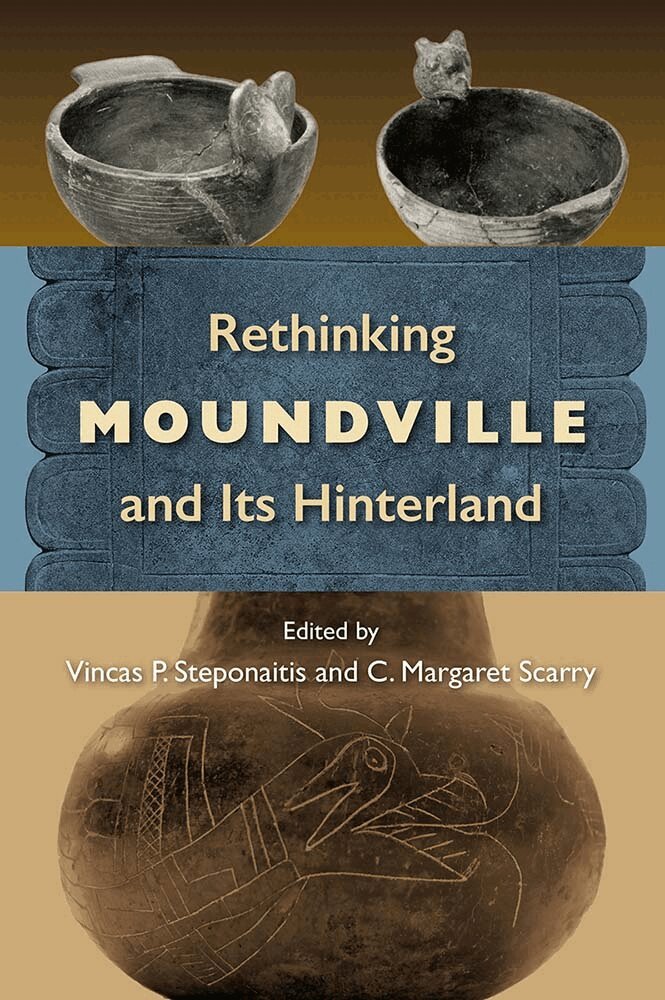
Rethinking Moundville and Its Hinterland
Av C. Margaret Scarry, Vincas P. Steponaitis
E-bok, 2016
1337 kr
Lägg i varukorg
Moundville, near Tuscaloosa, Alabama, is one of the largest pre-Columbian mound sites in North America. Comprising twenty-nine earthen mounds that were once platforms for chiefly residences and temples, Moundville was a major political and religious center for the people living in its region and …
Rethinking Moundville and Its Hinterland
Av Vincas P. Steponaitis, C. Margaret Scarry
Inbunden, 2016
877 kr
Lägg i varukorg
Moundville, near Tuscaloosa, Alabama, is one of the largest pre-Columbian mound sites in North America. Comprising twenty-nine earthen mounds that were once platforms for chiefly residences and temples, Moundville was a major political and religious center for the people living in its region and …
Rethinking Moundville and Its Hinterland
Av C. Margaret Scarry, Vincas P. Steponaitis
E-bok, 2019
518 kr
Lägg i varukorg
Moundville, near Tuscaloosa, Alabama, is one of the largest pre-Columbian mound sites in North America. Comprising twenty-nine earthen mounds that were once platforms for chiefly residences and public buildings, Moundville was a major political and religious center for the people living in its …
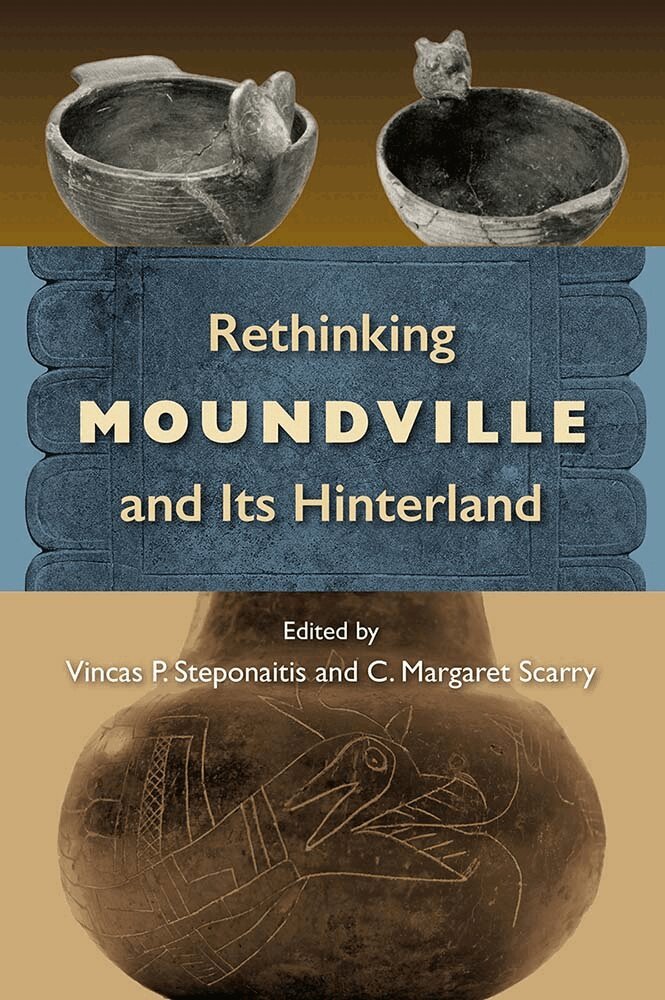
Rethinking Moundville and Its Hinterland
Av Vincas P. Steponaitis, C. Margaret Scarry
Häftad, 2019
341 kr
Lägg i varukorg
A much-needed synthesis of the rapidly expanding archaeological work that has taken place in the Moundville region over the past two decades, this volume presents the results of multifaceted research and new excavations.
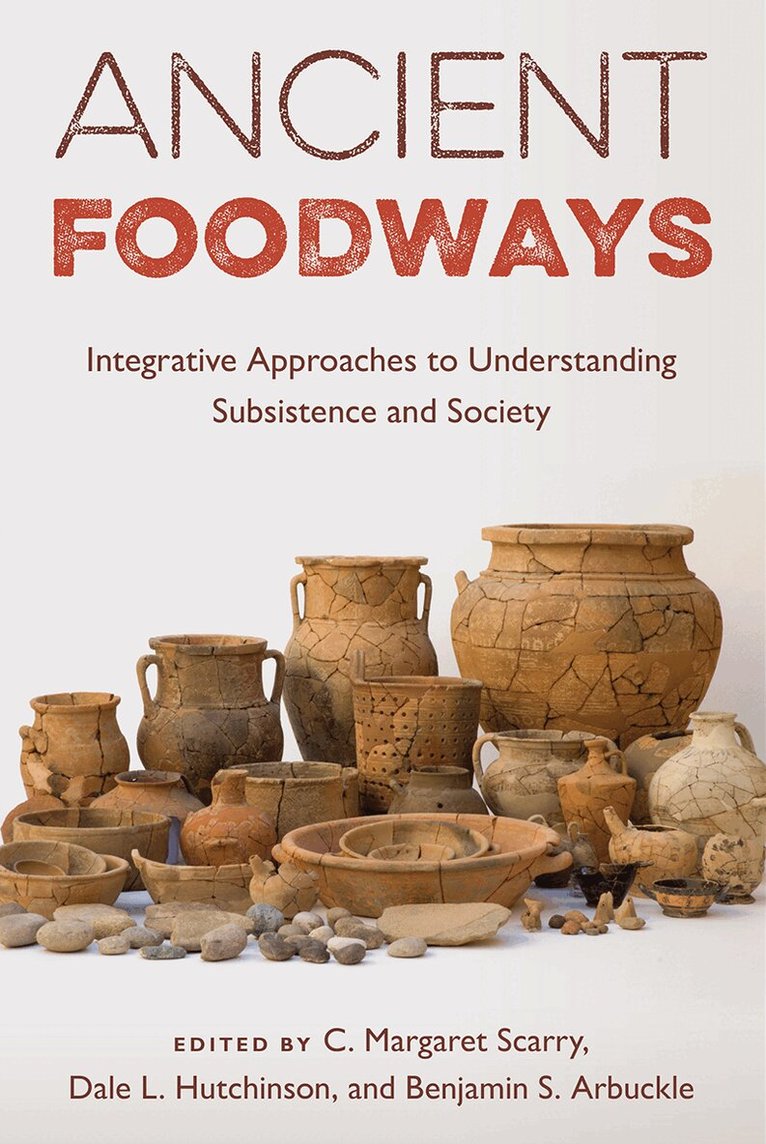
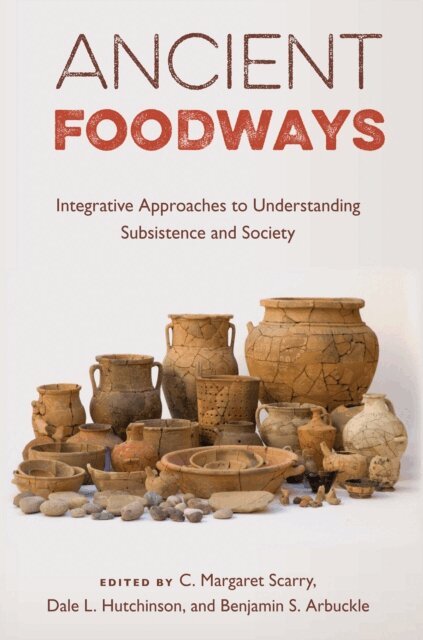
Ancient Foodways
Integrative Approaches to Understanding Subsistence and Society
Av C. Margaret Scarry, Dale L. Hutchinson m. fl.
Inbunden, 2022
1110 kr
Lägg i varukorg
How archaeology can shed light on past foodways and social worldsThrough various case studies, Ancient Foodways illustrates how archaeologists can use bioarchaeology, zooarchaeology, archaeobotany, architecture, and other evidence to understand how food acquisition, preparation, and consumption …
Ancient Foodways
Integrative Approaches to Understanding Subsistence and Society
Av Benjamin S. Arbuckle, Dale L. Hutchinson m. fl.
E-bok, 2022
3388 kr
Lägg i varukorg
Society for Ethnobotany Daniel F. Austin Award How archaeology can shed light on past foodways and social worlds Through various case studies, Ancient Foodways illustrates how archaeologists can use bioarchaeology, zooarchaeology, archaeobotany, architecture, and other evidence to understand how …