Ernest May - Böcker
Visar alla böcker från författaren Ernest May. Handla med fri frakt och snabb leverans.
5 produkter
5 produkter
2 258 kr
Skickas inom 5-8 vardagar
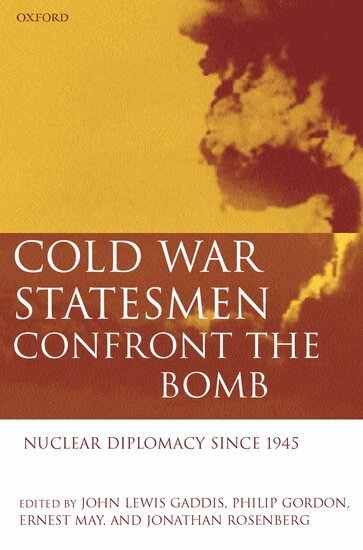
Cold War Statesmen Confront the Bomb: Nuclear Diplomacy Since 1945 is a path-breaking work that uses biographical techniques to test one of the most important and widely debated questions in international politics: Did the advent of the nuclear bomb prevent the Third World War? Many scholars and much conventional wisdom assumes that nuclear deterrence has prevented major power war since the end of the Second World War; this remains a principal tenet of US strategic policy today. Others challenge this assumption, and argue that major war would have been `obsolete' even without the bomb. This book tests these propositions by examining the careers of ten leading Cold War statesmen--Harry S Truman; John Foster Dulles; Dwight D. Eisenhower; John F. Kennedy; Josef Stalin; Nikita Krushchev; Mao Zedong; Winston Churchill; Charles De Gaulle; and Konrad Adenauer--and asking whether they viewed war, and its acceptability, differently after the advent of the bomb. The book's authors argue almost unanimously that nuclear weapons did have a significant effect on the thinking of these leading statesmen of the nuclear age, but a dissenting epilogue from John Mueller challenges this thesis.
269 kr
Skickas inom 10-15 vardagar
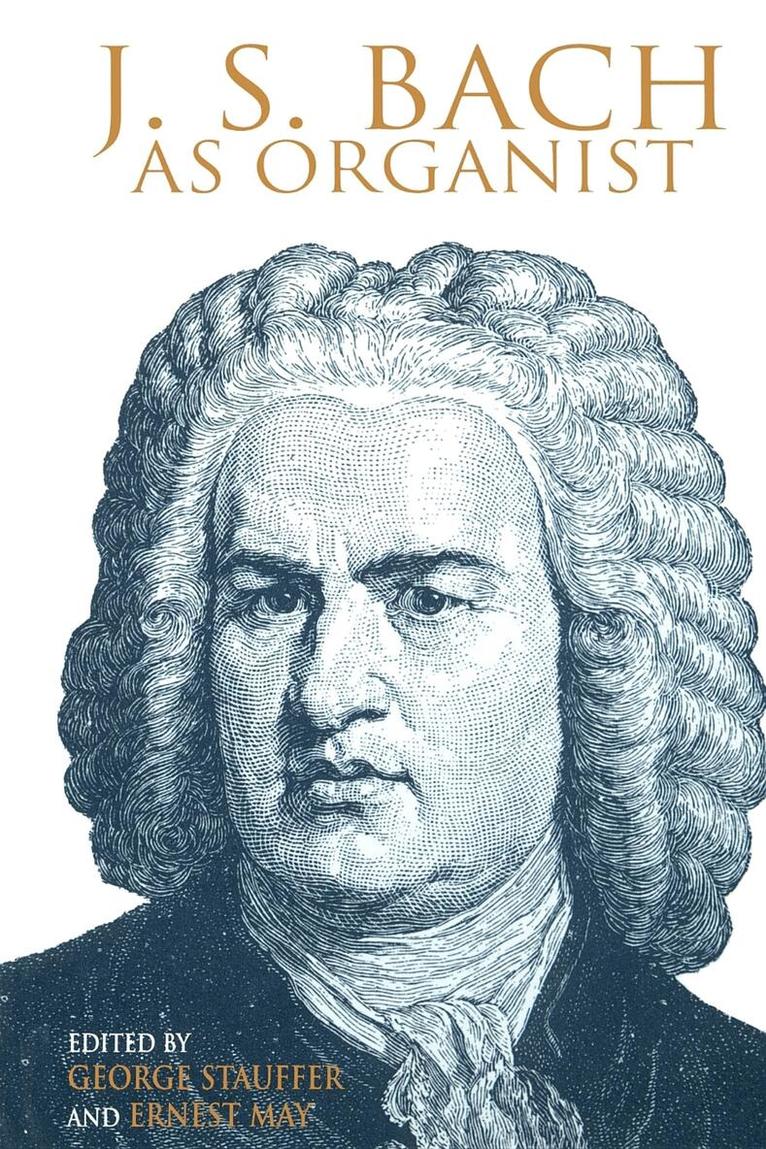
" . . . a valuable book of scholarly yet highly readable studies . . . every organist and anyone interested in the music of J. S. Bach should have it." —Early Keyboard Journal" . . . a very perceptive and informative guide . . . " —Early Music" . . . this book is a must." —The American Organist" . . . invaluable and entertaining . . . " —American Music Teacher" . . . among the most important and accomplished studies on eighteenth-century performance. Its comprehensiveness, clarity, and scholarship make it indispensable." —Performance Practice ReviewIn J. S. Bach as Organist, specialists from six countries explore Bach's relationship to his favorite instrument during all periods of his career. J. S. Bach as Organist is a book for scholars, performers, and students. Authoritative and wide-ranging.
1 676 kr
Tillfälligt slut
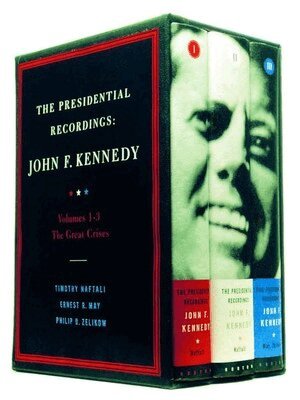
These volumes provide a unique glimpse into the real workings of the Kennedy White House, presenting perhaps the most reliable record of the Kennedy presidency ever published. In the summer of 1962, President John F. Kennedy installed a secret taping system in the White House. His aim was to record meetings and conversations he considered important, probably intending to use them when he wrote the memoir of his years in office, a book he never had the chance to write. The tapes are now being authoritatively transcribed, and those for the period from the installation of the tape system through October 28, 1962 (the end of the Cuban missile crisis), are presented here in their entirety.Texts with CD-ROM
420 kr
Skickas inom 3-6 vardagar
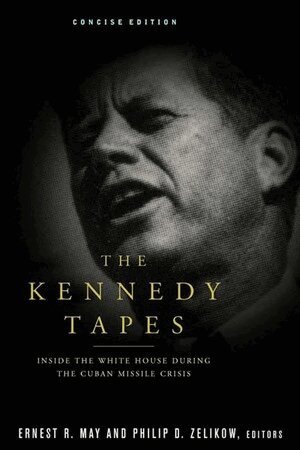
For sheer drama, this work of history may never be duplicated. The events of the Cuban Missile Crisis unfold in the actual words of President John F. Kennedy and his top advisers. Now available in a new, concise edition, this book retains its gripping sense of history in the making."[A] splendid achievement, as powerful and exciting a book as one is likely to read this year...."—Barry Gewen, New York Times Book Review "Gripping history."—Richard J. Tofel, Wall Street Journal "[M]esmerizing. I was utterly fascinated....the best, fullest account of crisis yet and will remain so for decades to come."—Stephen E. Ambrose "[A]s close as most people will ever get to being a fly on the wall during the discussions of leaders."—Los Angeles Times Sunday Book Review, James G. Blight
502 kr
Skickas inom 10-15 vardagar
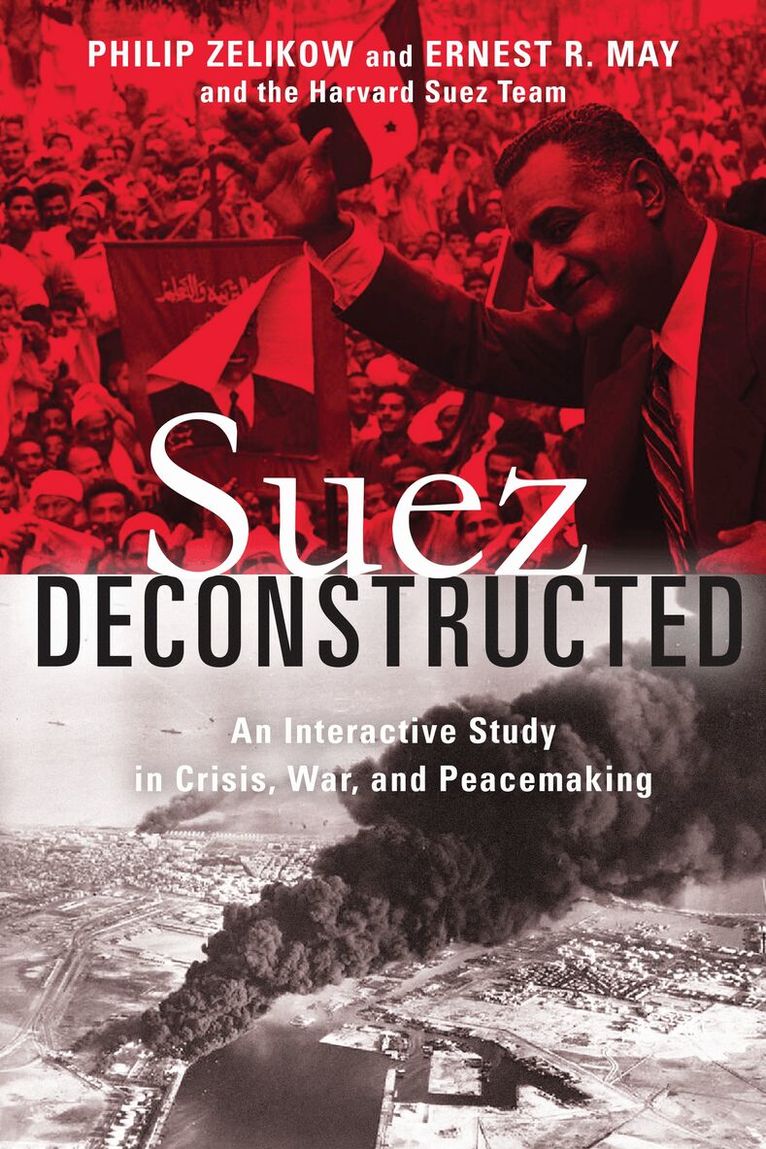
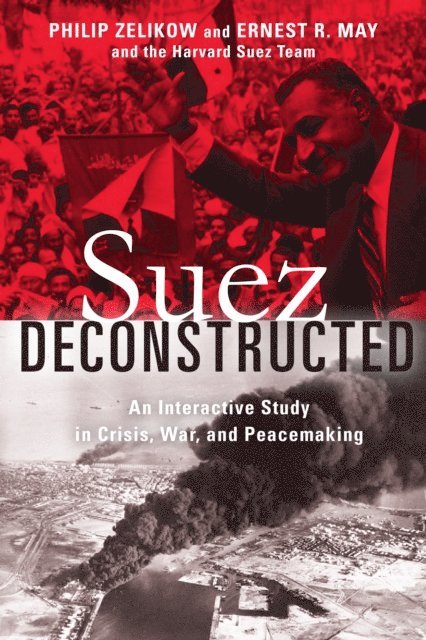
Experiencing a major crisis from different viewpoints, step by step. The Suez crisis of 1956—now little more than dim history for many people—offers a master class in statecraft. It was a potentially explosive Middle East confrontation capped by a surprise move that reshaped the region for years to come. It was a diplomatic crisis that riveted the world's attention. And it was a short but startling war that ended in unexpected ways for every country involved. Six countries, including two superpowers, had major roles, but each saw the situation differently. From one stage to the next, it could be hard to tell which state was really driving the action. As in any good ensemble, all the actors had pivotal parts to play. Like an illustration that uses an exploded view of an object to show how it works, this book uses an unprecedented design to deconstruct the Suez crisis. The story is broken down into three distinct phases. In each phase, the reader sees the issues as they were perceived by each country involved, taking into account different types of information and diverse characteristics of each leader and that leader's unique perspectives. Then, after each phase has been laid out, editorial observations invite the reader to consider the interplay. Developed by an unusual group of veteran policy practitioners and historians working as a team, Suez Deconstructed is not just a fresh way to understand the history of a major world crisis. Whether one's primary interest is statecraft or history, this study provides a fascinating step-by-step experience, repeatedly shifting from one viewpoint to another. At each stage, readers can gain rare experience in the way these very human leaders sized up their situations, defined and redefined their problems, improvised diplomatic or military solutions, sought ways to influence each other, and tried to change the course of history.