Philip D. Zelikow – författare
Visar alla böcker från författaren Philip D. Zelikow. Handla med fri frakt och snabb leverans.
8 produkter
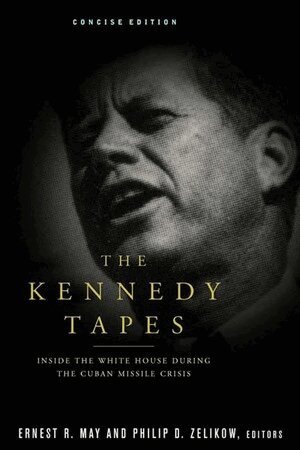
Kennedy Tapes
Inside the White House during the Cuban Missile Crisis
Av Ernest May, Philip D. Zelikow
Häftad, 2002
436 kr
Lägg i varukorg
For sheer drama, this work of history may never be duplicated. The events of the Cuban Missile Crisis unfold in the actual words of President John F. Kennedy and his top advisers. Now available in a new, concise edition, this book retains its gripping sense of history in the making."[A] splendid …
America and the East Asian Crisis
Memos to a President
Av Philip D. Zelikow, Robert B. Zoellick
Häftad, 2000
279 kr
Lägg i varukorg
Arranged as a collection of memos from experts in academia and government to a president facing a policy challenge, each book in the series offers succinct explanations of the background and context behind a handful of key issues in a particular region of the world.
America and Russia
Memos to a President
Av Philip D. Zelikow, Robert B. Zoellick
Häftad, 2000
279 kr
Lägg i varukorg
America and Russia is organized around four topics related to U.S.-Russian relations: "America and Russia's Domestic Political Future," "America and Russia's Economic Future," "International Strategic Issues," and America, Russia, and the New States." Each topic begins with a list of questions for …
America and the Balkans
Memos to a President
Av Philip D. Zelikow, Robert B. Zoellick
Häftad, 2000
294 kr
Lägg i varukorg
America and the Balkans is organized around four topics: "Kosovo," "Serbia," "The Balkan Region," and "Europe and Transatlantic Relations." Each topic begins with a list of questions for discussion, is followed by a series of policy memos by guest experts, and concludes with a summary of the …
Why People Don’t Trust Government
Av Joseph S. Nye Jr., Philip D. Zelikow m. fl.
Häftad, 1997
406 kr
Lägg i varukorg
Confidence in American government has been declining for three decades. Three-quarters of Americans said they trusted the Federal government to do the right thing in 1964. Today, only a quarter do. Why the decline? Is this mistrust a healthy reflection of America's long-lasting skepticism of a …
Dealing with Dictators
Dilemmas of US Diplomacy and Intelligence Analysis, 1945-1990
Av Ernest R. May, Philip D. Zelikow
Inbunden, 2006
127 kr
Tillfälligt slut
Dealing with Dictators
Dilemmas of US Diplomacy and Intelligence Analysis, 1945-1990
Av Ernest R. May, Philip D. Zelikow
Häftad, 2006
69 kr
Tillfälligt slut
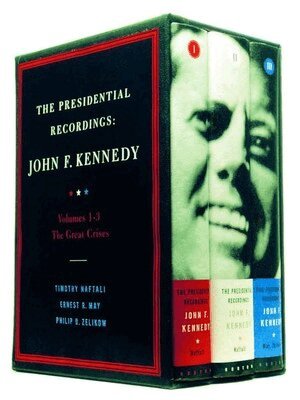
Presidential Recordings
John F. Kennedy: The Great Crises
Av Timothy Naftali, Ernest May m. fl.
2001
1676 kr
Tillfälligt slut
These volumes provide a unique glimpse into the real workings of the Kennedy White House, presenting perhaps the most reliable record of the Kennedy presidency ever published. In the summer of 1962, President John F. Kennedy installed a secret taping system in the White House. His aim was to record …