Ewout Frankema – författare
Visar alla böcker från författaren Ewout Frankema. Handla med fri frakt och snabb leverans.
14 produkter
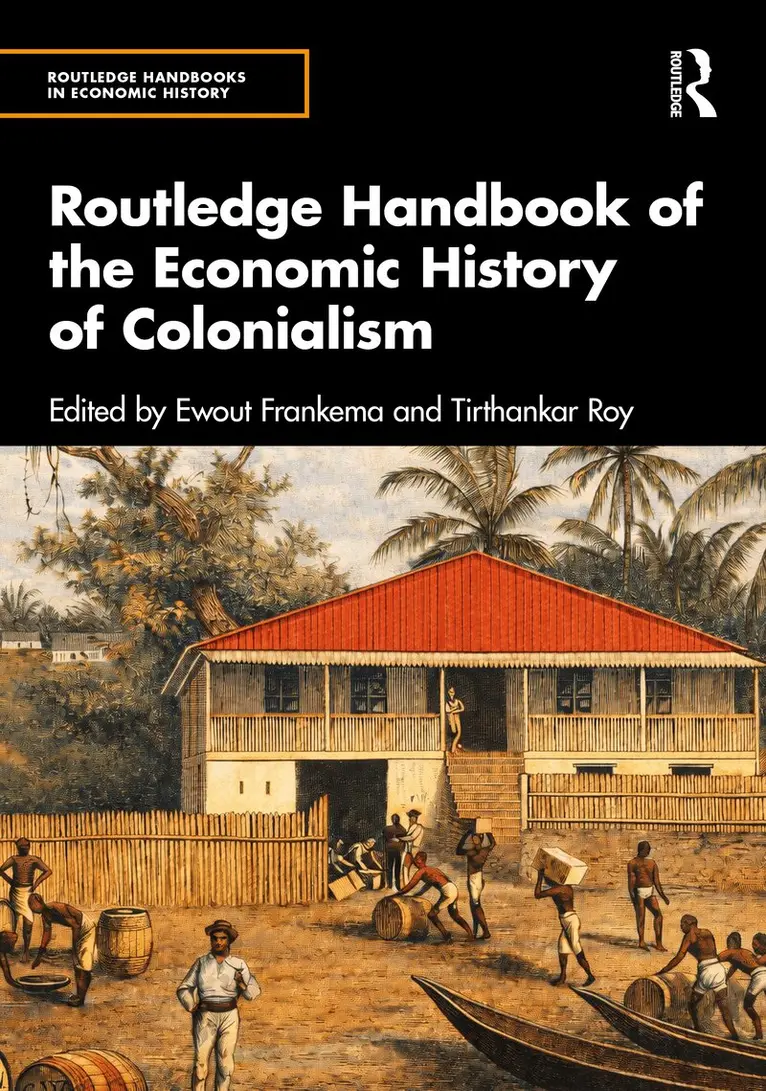
Routledge Handbook of the Economic History of Colonialism
Av Ewout Frankema, Tirthankar Roy
Inbunden, 2026
3894 kr
Lägg i varukorg
European colonial rule in Asia, Africa, and the Americas was a world-changing force and left a variety of legacies – demographic, economic, environmental, technological, and cultural. The economic history of colonialism has seen an outburst of research in the last 20-odd years; but, with many …
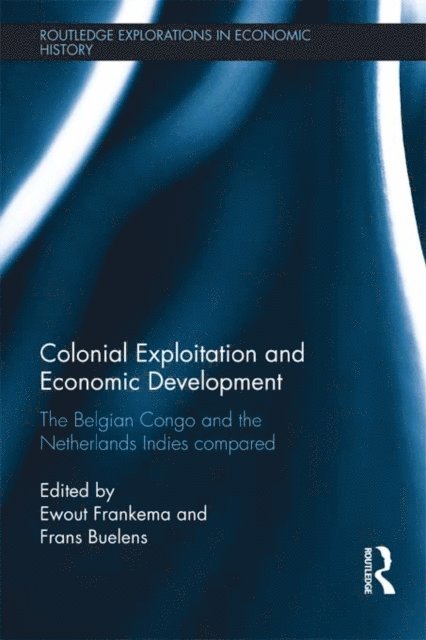
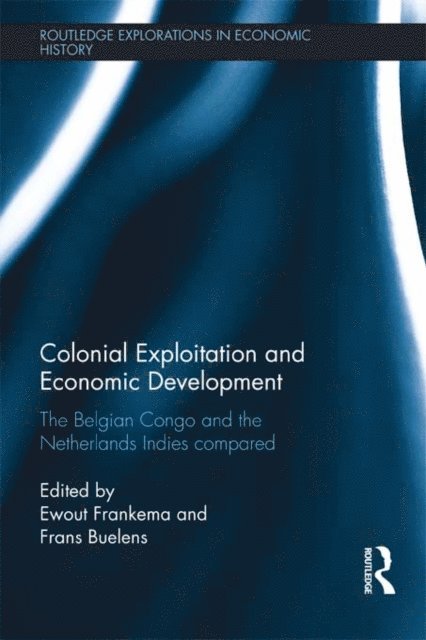
Colonial Exploitation and Economic Development
The Belgian Congo and the Netherlands Indies Compared
Av Ewout Frankema, Frans Buelens
Inbunden, 2013
2586 kr
Lägg i varukorg
Since many countries in the world at present were European colonies in the not so distant past, the relationship between colonial institutions and development outcomes is a key topic of study across many disciplines.This edited volume, from a leading international group of scholars, discusses the …
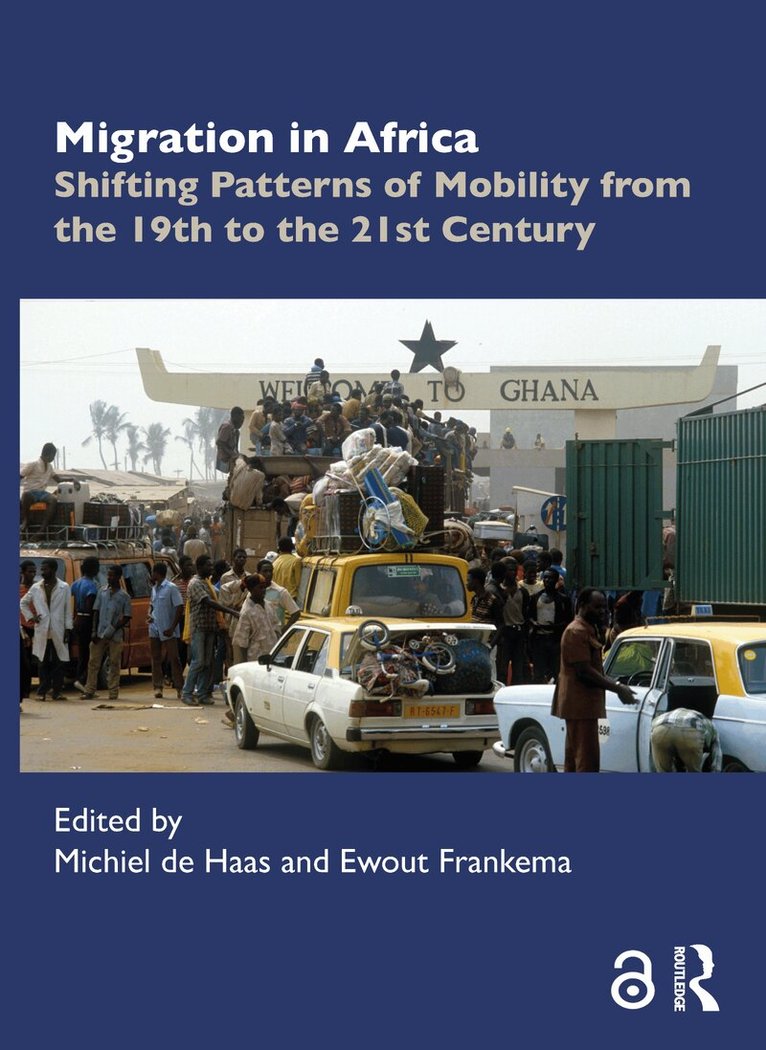
Migration in Africa
Shifting Patterns of Mobility from the 19th to the 21st Century
Av Michiel de Haas, Ewout Frankema
Häftad, 2022
652 kr
Lägg i varukorg
This book introduces readers to the age of intra-African migration, a period from the mid-19th century onward in which the center of gravity of African migration moved decisively inward. Most books tend to zoom in on Africa’s external migration during the earlier intercontinental slave trades and …
Migration in Africa
Shifting Patterns of Mobility from the 19th to the 21st Century
Av Michiel de Haas, Ewout Frankema
Inbunden, 2022
2586 kr
Lägg i varukorg
This book introduces readers to the age of intra-African migration, a period from the mid-19th century onward in which the center of gravity of African migration moved decisively inward. Most books tend to zoom in on Africa’s external migration during the earlier intercontinental slave trades and …
Routledge Handbook of the Economic History of Colonialism
Av Tirthankar Roy, Ewout Frankema
E-bok, 2026
963 kr
Lägg i varukorg
European colonial rule in Asia, Africa, and the Americas was a world-changing force and left a variety of legacies - demographic, economic, environmental, technological, and cultural. The economic history of colonialism has seen an outburst of research in the last 20-odd years; but, with many …
Routledge Handbook of the Economic History of Colonialism
Av Tirthankar Roy, Ewout Frankema
E-bok, 2026
933 kr
Lägg i varukorg
European colonial rule in Asia, Africa, and the Americas was a world-changing force and left a variety of legacies - demographic, economic, environmental, technological, and cultural. The economic history of colonialism has seen an outburst of research in the last 20-odd years; but, with many …
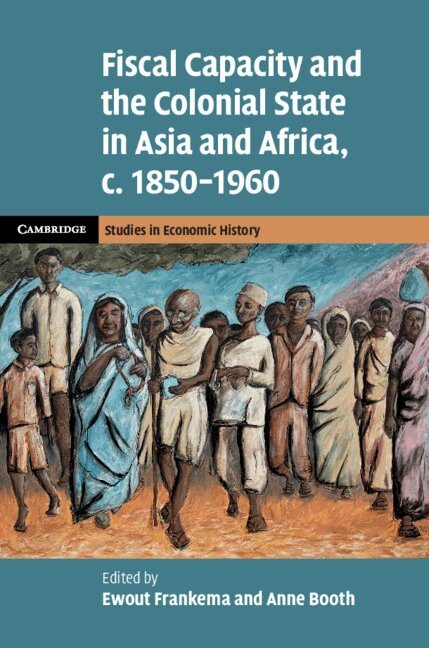
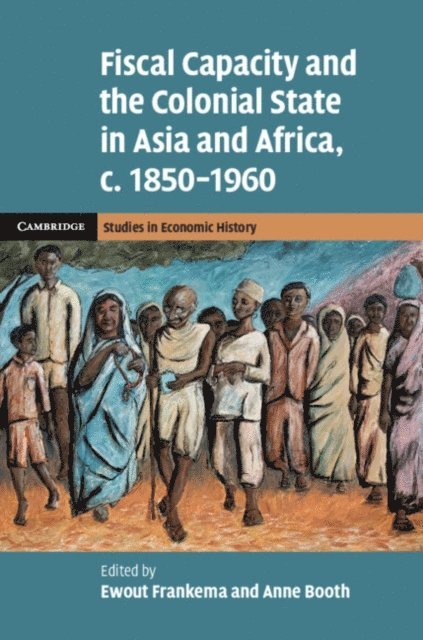
Fiscal Capacity and the Colonial State in Asia and Africa, c.1850-1960
Inbunden, 2019
1641 kr
Lägg i varukorg
This book examines the evolution of fiscal capacity in the context of colonial state formation and the changing world order between 1850 and 1960. Until the early nineteenth century, European colonial control over Asia and Africa was largely confined to coastal and island settlements, which …
Fiscal Capacity and the Colonial State in Asia and Africa, c.1850-1960
E-bok, 2019
420 kr
Lägg i varukorg
This book examines the evolution of fiscal capacity in the context of colonial state formation and the changing world order between 1850 and 1960. Until the early nineteenth century, European colonial control over Asia and Africa was largely confined to coastal and island settlements, which …
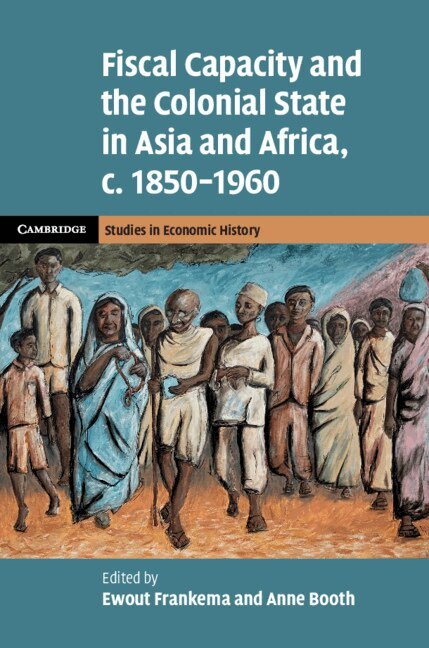
Fiscal Capacity and the Colonial State in Asia and Africa, c.1850-1960
Häftad, 2022
435 kr
Lägg i varukorg
This book examines the evolution of fiscal capacity in the context of colonial state formation and the changing world order between 1850 and 1960. Until the early nineteenth century, European colonial control over Asia and Africa was largely confined to coastal and island settlements, which …
Colonial Exploitation and Economic Development
The Belgian Congo and the Netherlands Indies Compared
Av Frans Buelens, Ewout Frankema
E-bok, 2013
1204 kr
Lägg i varukorg
Since many countries in the world at present were European colonies in the not so distant past, the relationship between colonial institutions and development outcomes is a key topic of study across many disciplines. This edited volume, from a leading international group of scholars, discusses the …
Colonial Exploitation and Economic Development
The Belgian Congo and the Netherlands Indies Compared
Av Frans Buelens, Ewout Frankema
E-bok, 2013
1204 kr
Lägg i varukorg
Since many countries in the world at present were European colonies in the not so distant past, the relationship between colonial institutions and development outcomes is a key topic of study across many disciplines. This edited volume, from a leading international group of scholars, discusses the …
Colonial Exploitation and Economic Development
The Belgian Congo and the Netherlands Indies Compared
Av Ewout Frankema, Frans Buelens
Häftad, 2015
1039 kr
Lägg i varukorg
Since many countries in the world at present were European colonies in the not so distant past, the relationship between colonial institutions and development outcomes is a key topic of study across many disciplines.This edited volume, from a leading international group of scholars, discusses the …
Fiscal Capacity and the Colonial State in Asia and Africa, c.1850-1960
E-bok, 2019
420 kr
Lägg i varukorg
This book examines the evolution of fiscal capacity in the context of colonial state formation and the changing world order between 1850 and 1960. Until the early nineteenth century, European colonial control over Asia and Africa was largely confined to coastal and island settlements, which …
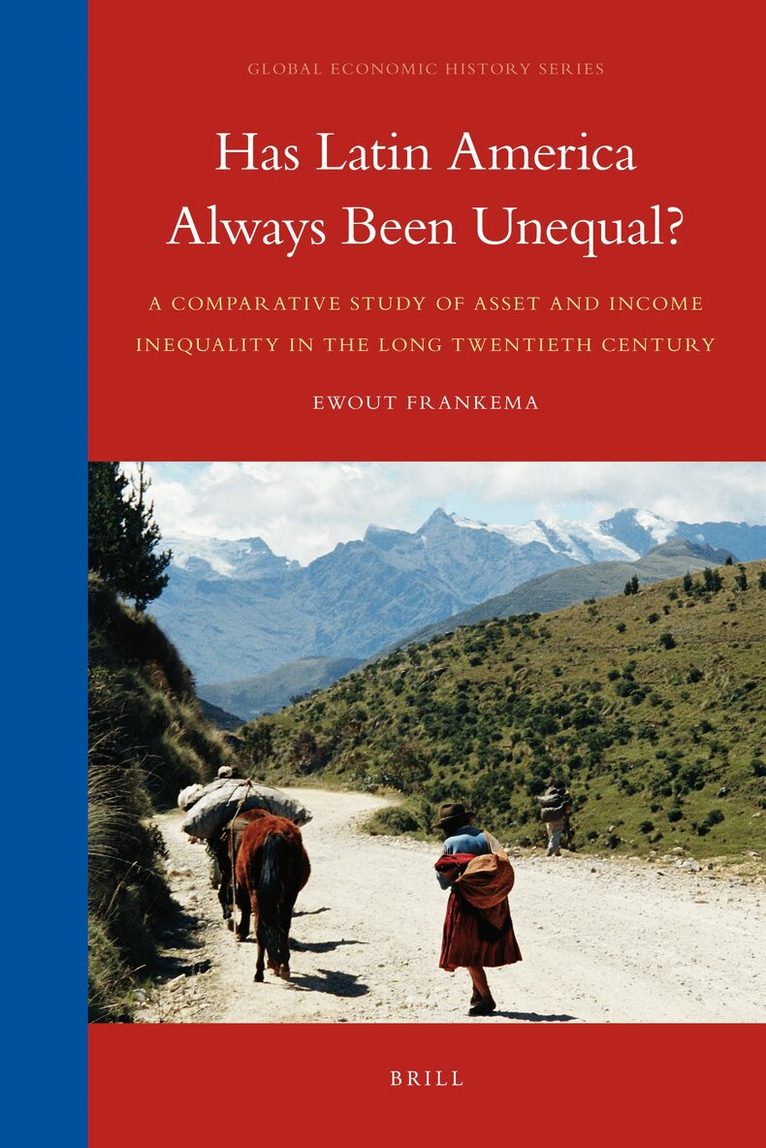
Has Latin America Always Been Unequal?
A Comparative Study of Asset and Income Inequality in the Long Twentieth Century
Inbunden, 2009
2620 kr
Lägg i varukorg
The forces of industrialisation, urbanisation, globalisation and technological change have washed away the pre-modern outlook of most Latin American economies. Despite the improved opportunities of social mobility offered by economic modernisation, current income inequality levels (still) appear …