Frans Buelens – författare
Visar alla böcker från författaren Frans Buelens. Handla med fri frakt och snabb leverans.
5 produkter
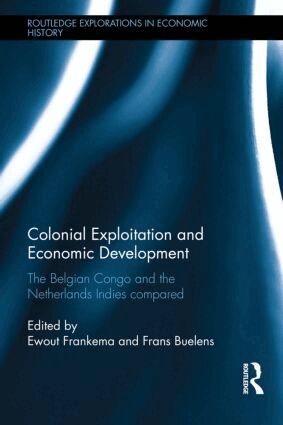
Colonial Exploitation and Economic Development
The Belgian Congo and the Netherlands Indies Compared
Av Ewout Frankema, Frans Buelens
Inbunden, 2013
2586 kr
Lägg i varukorg
Since many countries in the world at present were European colonies in the not so distant past, the relationship between colonial institutions and development outcomes is a key topic of study across many disciplines.This edited volume, from a leading international group of scholars, discusses the …
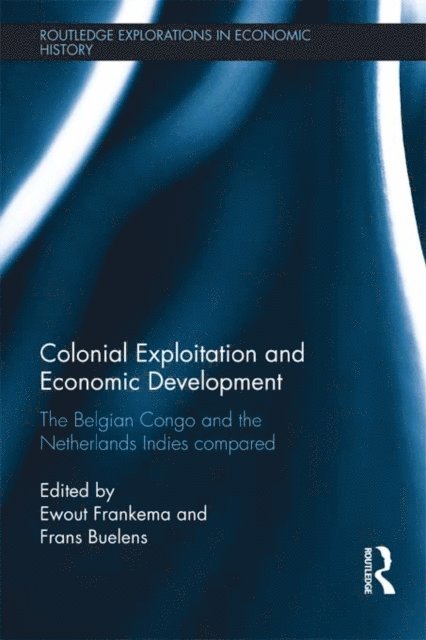
Colonial Exploitation and Economic Development
The Belgian Congo and the Netherlands Indies Compared
Av Frans Buelens, Ewout Frankema
E-bok, 2013
1204 kr
Lägg i varukorg
Since many countries in the world at present were European colonies in the not so distant past, the relationship between colonial institutions and development outcomes is a key topic of study across many disciplines. This edited volume, from a leading international group of scholars, discusses the …
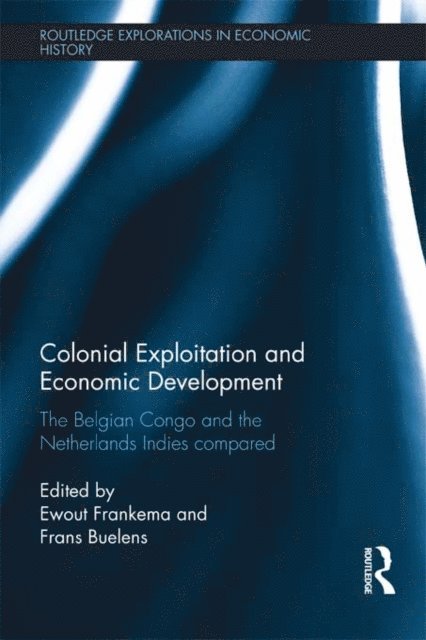
Colonial Exploitation and Economic Development
The Belgian Congo and the Netherlands Indies Compared
Av Frans Buelens, Ewout Frankema
E-bok, 2013
1204 kr
Lägg i varukorg
Since many countries in the world at present were European colonies in the not so distant past, the relationship between colonial institutions and development outcomes is a key topic of study across many disciplines. This edited volume, from a leading international group of scholars, discusses the …
Colonial Exploitation and Economic Development
The Belgian Congo and the Netherlands Indies Compared
Av Ewout Frankema, Frans Buelens
Häftad, 2015
1039 kr
Lägg i varukorg
Since many countries in the world at present were European colonies in the not so distant past, the relationship between colonial institutions and development outcomes is a key topic of study across many disciplines.This edited volume, from a leading international group of scholars, discusses the …
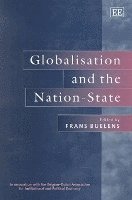
Globalisation and the Nation-State
Inbunden, 1999
1846 kr
Lägg i varukorg
The globalisation of the world economy is one of the major concepts of our time and is likely to influence thinking and policy making well into the 21st century. Although officially welcomed as a major contribution to world welfare it is held by many to be responsible for low wages and mass …