Tirthankar Roy – författare
Visar alla böcker från författaren Tirthankar Roy. Handla med fri frakt och snabb leverans.
67 produkter
Global Economic History
Av Tirthankar Roy, Giorgio Riello
Häftad, 2024
410 kr
Lägg i varukorg
Guiding the reader through the many guises of global economic history, this book uncovers its key issues, debates and subjects. With contributions from leading scholars around the world, it delves into the economic histories of Africa, Europe, Asia and the Americas from the 16th to the 20th …
Routledge Handbook of the Economic History of Colonialism
Av Ewout Frankema, Tirthankar Roy
Inbunden, 2026
3898 kr
Lägg i varukorg
European colonial rule in Asia, Africa, and the Americas was a world-changing force and left a variety of legacies – demographic, economic, environmental, technological, and cultural. The economic history of colonialism has seen an outburst of research in the last 20-odd years; but, with many …
The Cambridge Economic History of Modern South Asia, Part 1, Colonial India, 1757-1947
Av Tirthankar (London School of Economics and Political Science) Roy, Massachusetts) Swamy, Anand V. (Williams College m. fl.
Inbunden, 2026
1769 kr
Lägg i varukorg
South Asia's economies, as well as the scholarship on their economic histories, have been transformed in recent decades. This landmark new reference history will guide economists and historians through these transformations in Bangladesh, India and Pakistan. Part I revisits the colonial period with …
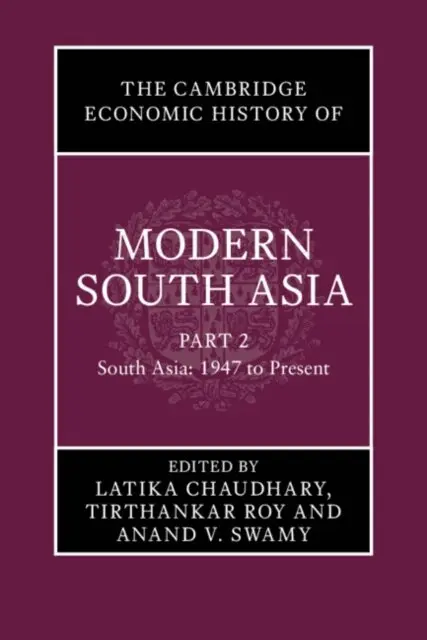
The Cambridge Economic History of Modern South Asia, Part 2, South Asia, 1947 to Present
Av Latika Chaudhary, Tirthankar Roy m. fl.
Inbunden, 2026
1769 kr
Lägg i varukorg
South Asia's economies, as well as the scholarship on their economic histories, have been transformed in recent decades. This landmark new reference history will guide economists and historians through these transformations in Bangladesh, India and Pakistan. Part I revisits the colonial period with …
Cambridge Economic History of Modern South Asia, Part 2, South Asia, 1947 to Present
Av Anand V. Swamy, Tirthankar Roy m. fl.
E-bok, 2026
2014 kr
Lägg i varukorg
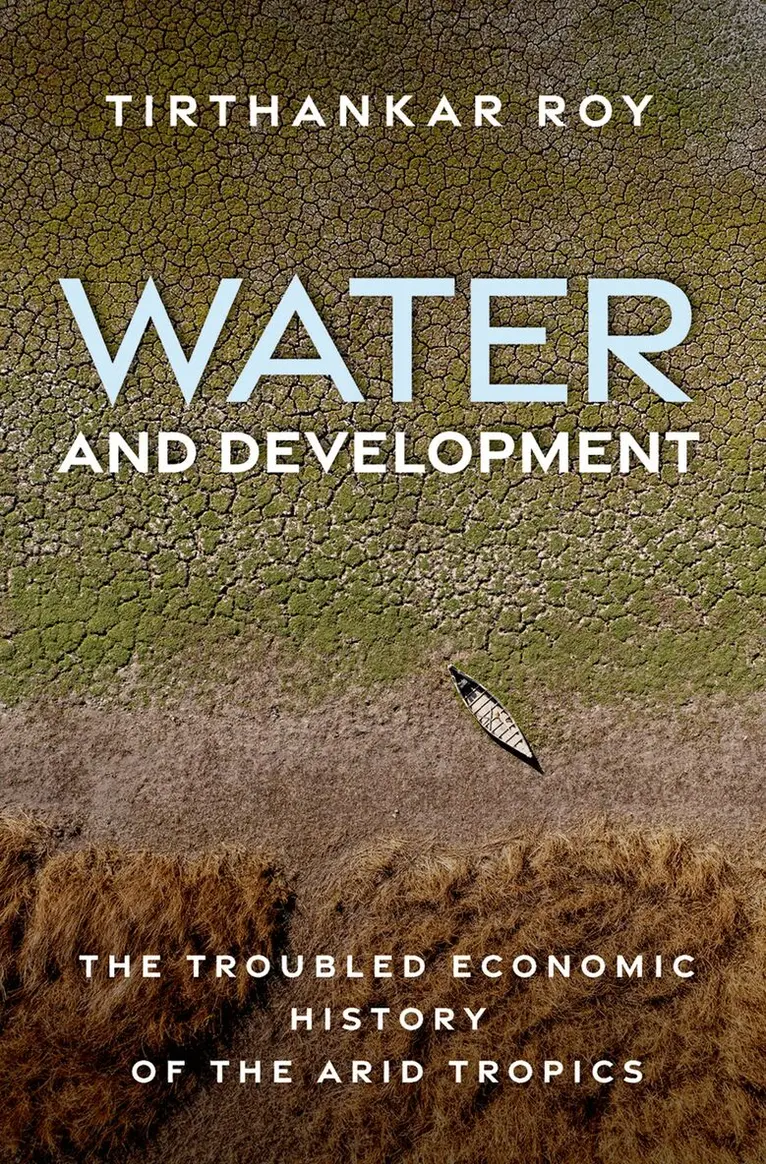
Water and Development
The Troubled Economic History of the Arid Tropics
Inbunden, 2025
365 kr
Lägg i varukorg
From the early twentieth century, a big part of the world--the arid tropics--began extracting, storing, and recycling vast quantities of water to sustain population growth and economic development. These regions worked on water to deal with seasonality, or the rotation between extreme aridity for a …
Water and Development
The Troubled Economic History of the Arid Tropics
E-bok, 2025
353 kr
Lägg i varukorg
From the early twentieth century, a big part of the world--the arid tropics--began extracting, storing, and recycling vast quantities of water to sustain population growth and economic development. These regions worked on water to deal with seasonality, or the rotation between extreme aridity for a …
Water and Development
The Troubled Economic History of the Arid Tropics
E-bok, 2025
346 kr
Lägg i varukorg
From the early twentieth century, a big part of the world--the arid tropics--began extracting, storing, and recycling vast quantities of water to sustain population growth and economic development. These regions worked on water to deal with seasonality, or the rotation between extreme aridity for a …
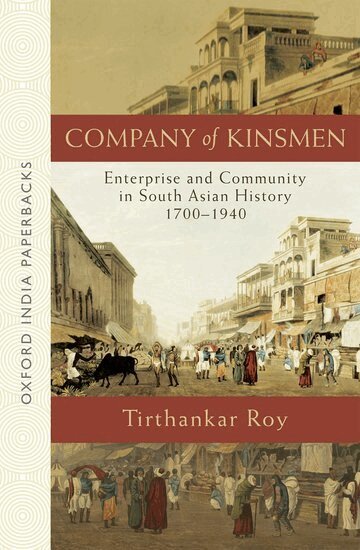
Company of Kinsmen
Enterprise and Community in South Asian History 1700-1940
Häftad, 2018
228 kr
Lägg i varukorg
This book chronicles how the concept of organizing people to serve economic ends emerged in early modern and colonial India. It examines rules of cooperation, why people decided to join forces, how disputes were settled, and how cooperative communities became increasingly unstable in more modern …
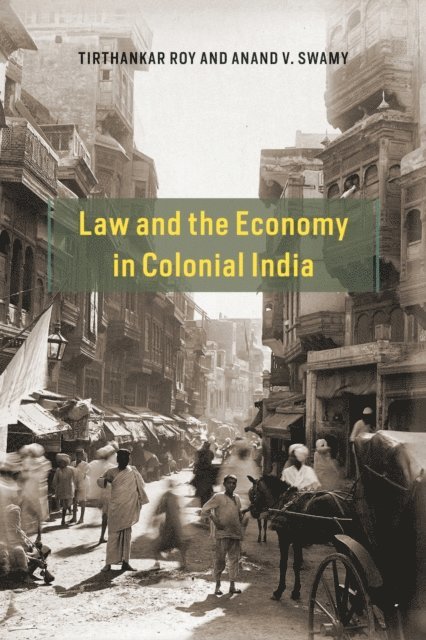
Law and the Economy in Colonial India
Av Anand V. Swamy, Tirthankar Roy
E-bok, 2016
837 kr
Lägg i varukorg
Since the economic reforms of the 1990s, India’s economy has grown rapidly. To sustain growth and foreign investment over the long run requires a well-developed legal infrastructure for conducting business, including cheap and reliable contract enforcement and secure property rights. But it’s …
Law and the Economy in a Young Democracy
India 1947 and Beyond
Av Tirthankar Roy, Anand V. Swamy
Inbunden, 2022
436 kr
Lägg i varukorg
An essential history of India's economic growth since 1947, including the legal reforms that have shaped the country in the shadow of colonial rule.Economists have long lamented how the inefficiency of India's legal system undermines the country’s economic capacity. How has this come to be? The …
Law and the Economy in a Young Democracy
India 1947 and Beyond
Av Anand V. Swamy, Tirthankar Roy
E-bok, 2022
829 kr
Lägg i varukorg
An essential history of India''s economic growth since 1947, including the legal reforms that have shaped the country in the shadow of colonial rule. Economists have long lamented how the inefficiency of India''s legal system undermines the country’s economic capacity. How has this come to be? The …
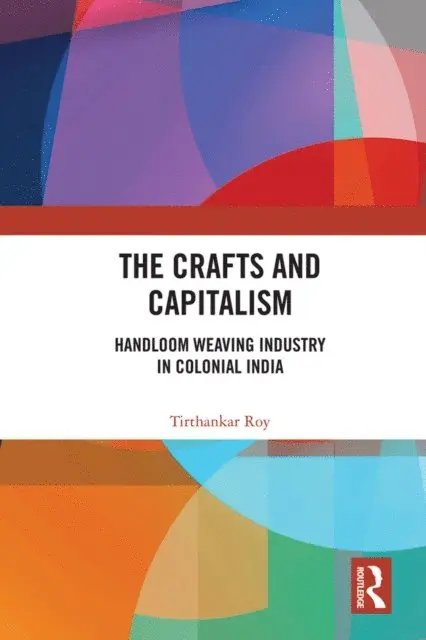
Crafts and Capitalism
Handloom Weaving Industry in Colonial India
Inbunden, 2020
2585 kr
Lägg i varukorg
This book presents a comprehensive history of handloom weaving industry in India to challenge and revise the view that competition from machine-produced textiles destroyed the country’s handicrafts as claimed by historians until recently. It shows that skill-intensive handmade textiles survived the …
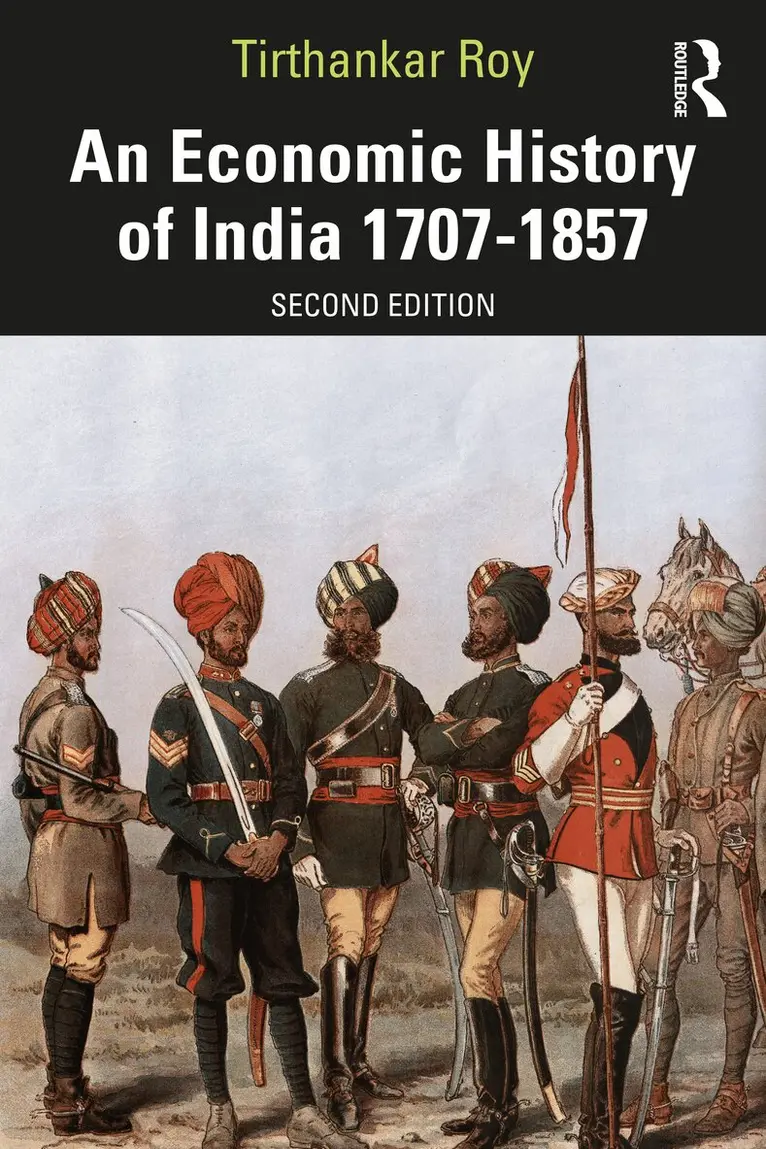
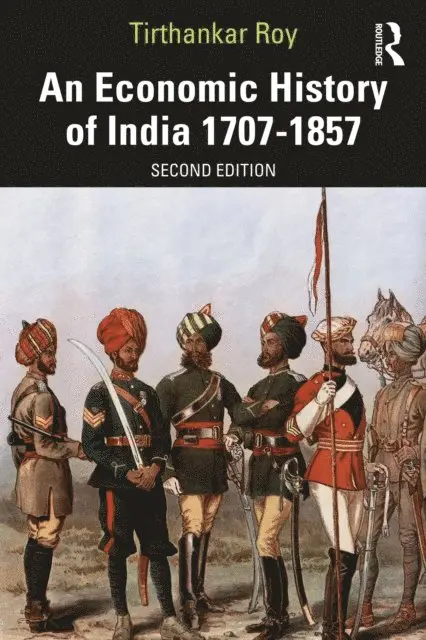
Economic History of India 1707–1857
Häftad, 2021
652 kr
Lägg i varukorg
This new edition of An Economic History of Early Modern India extends the timespan of the analysis to incorporate further research. This allows for a more detailed discussion of the rise of the British Empire in South Asia and gives a fuller context for the historiography.In the years between the …
Rethinking Economic Change in India
Labour and Livelihood
Inbunden, 2005
2581 kr
Lägg i varukorg
As author of the hugely influential The Economic History of India 1857-1947, Tirthankar Roy has established himself as the leading contemporary economic historian of India. Here, Roy turns his attention to labour and livelihood and the nature of economic change in the Subcontinent. This book …
Rethinking Economic Change in India
Labour and Livelihood
Häftad, 2007
770 kr
Lägg i varukorg
As author of the hugely influential The Economic History of India 1857-1947, Tirthankar Roy has established himself as the leading contemporary economic historian of India. Here, Roy turns his attention to labour and livelihood and the nature of economic change in the Subcontinent. This book …
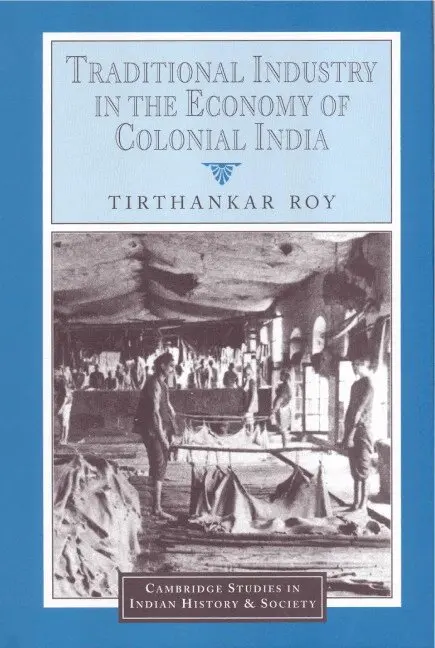
Traditional Industry in the Economy of Colonial India
Av Tirthankar Roy, Christopher Alan Bayly m. fl.
Häftad, 2007
921 kr
Lägg i varukorg
The majority of workers in South Asia are employed in industries that rely on manual labour and craft skills. Some of these industries have existed for centuries and survived great changes in consumption and technology over the last 150 years. In earlier studies, historians of the region focused on …
Traditional Industry in the Economy of Colonial India
Inbunden, 1999
1677 kr
Lägg i varukorg
The majority of workers in South Asia are employed in industries that rely on manual labour and craft skills. Some of these industries have existed for centuries and survived great changes in consumption and technology over the last 150 years. In earlier studies, historians of the region focused on …
Crafts and Capitalism
Handloom Weaving Industry in Colonial India
E-bok, 2020
838 kr
Lägg i varukorg
This book presents a comprehensive history of handloom weaving industry in India to challenge and revise the view that competition from machine-produced textiles destroyed the country’s handicrafts as claimed by historians until recently. It shows that skill-intensive handmade textiles survived the …
Crafts and Capitalism
Handloom Weaving Industry in Colonial India
E-bok, 2020
838 kr
Lägg i varukorg
This book presents a comprehensive history of handloom weaving industry in India to challenge and revise the view that competition from machine-produced textiles destroyed the country’s handicrafts as claimed by historians until recently. It shows that skill-intensive handmade textiles survived the …
Economic History of India 1707-1857
E-bok, 2021
767 kr
Lägg i varukorg
This new edition of An Economic History of Early Modern India extends the timespan of the analysis to incorporate further research. This allows for a more detailed discussion of the rise of the British Empire in South Asia and gives a fuller context for the historiography. In the years between the …
Economic History of India 1707-1857
E-bok, 2021
750 kr
Lägg i varukorg
This new edition of An Economic History of Early Modern India extends the timespan of the analysis to incorporate further research. This allows for a more detailed discussion of the rise of the British Empire in South Asia and gives a fuller context for the historiography. In the years between the …
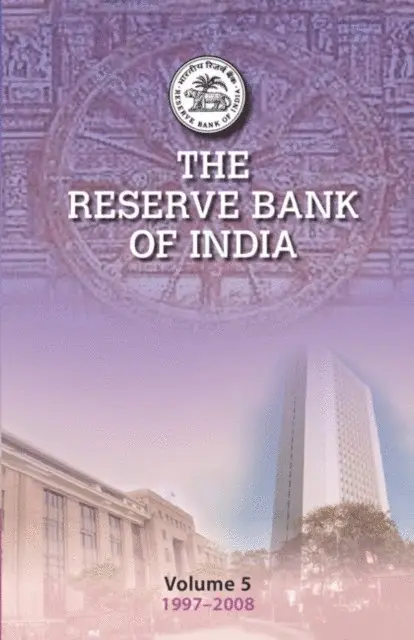
Reserve Bank of India: Volume 5
Volume 5, 1997–2008
E-bok, 2023
2551 kr
Lägg i varukorg
The fifth volume on the history of the Reserve Bank of India covers the years from 1997–98 to 2007–08. During this period, it introduced key institutional and financial market reforms in a rapidly changing economic environment and facilitated faster integration of the Indian economy. The Bank …
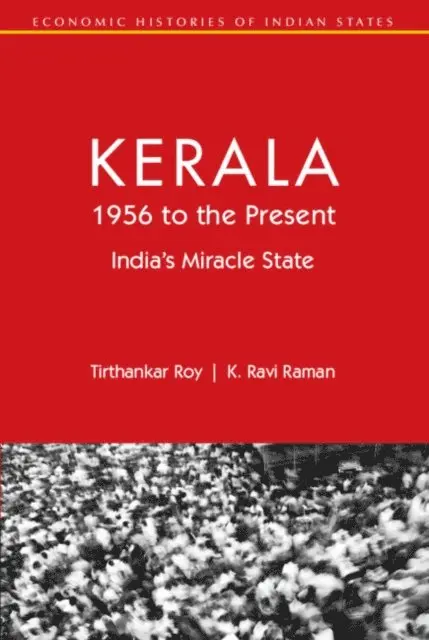
Kerala, 1956 to the Present
India's Miracle State
Av Tirthankar Roy, K. Ravi Raman
Inbunden, 2024
1526 kr
Lägg i varukorg
'Kerala is different, but not in the way we think.' Economic change in this southern state has fascinated economists. Most studies focused on the state's unusual human development, asked how a poor and economically stagnant state could achieve high levels of education and healthcare and pointed to …
Kerala, 1956 to the Present
India's Miracle State
Av K. Ravi Raman, Tirthankar Roy
E-bok, 2024
488 kr
Lägg i varukorg
Kerala, 1956 to the Present
India's Miracle State
Av Tirthankar Roy, K. Ravi Raman
Häftad, 2024
519 kr
Lägg i varukorg
'Kerala is different, but not in the way we think.' Economic change in this southern state has fascinated economists. Most studies focused on the state's unusual human development, asked how a poor and economically stagnant state could achieve high levels of education and healthcare and pointed to …
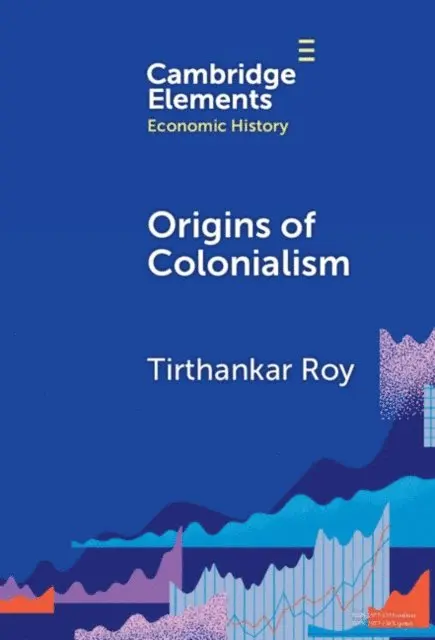
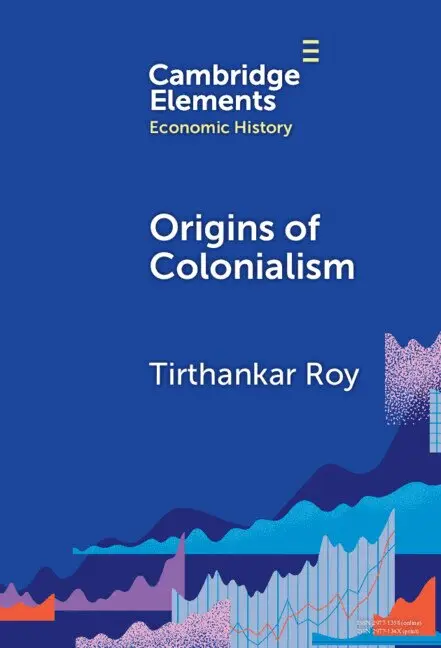
Origins of Colonialism
Why Geography Mattered
Inbunden, 2025
938 kr
Lägg i varukorg
Historians explain the eighteenth-century origin of European colonialism in Asia either with the profile of the merchants or an argument about uneven power. This Element suggests that the environment was an important factor, too. With India (1600-1800) as the primary example, it says that the …
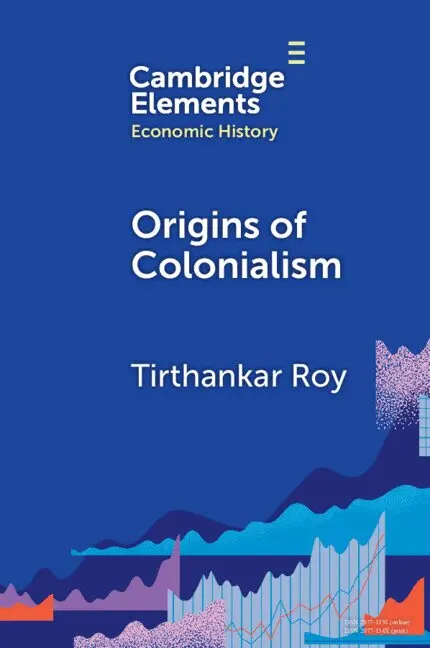
Origins of Colonialism
Why Geography Mattered
Häftad, 2025
317 kr
Lägg i varukorg
Historians explain the eighteenth-century origin of European colonialism in Asia either with the profile of the merchants or an argument about uneven power. This Element suggests that the environment was an important factor, too. With India (1600-1800) as the primary example, it says that the …