Frank-Jurgen Richter – författare
Visar alla böcker från författaren Frank-Jurgen Richter. Handla med fri frakt och snabb leverans.
11 produkter
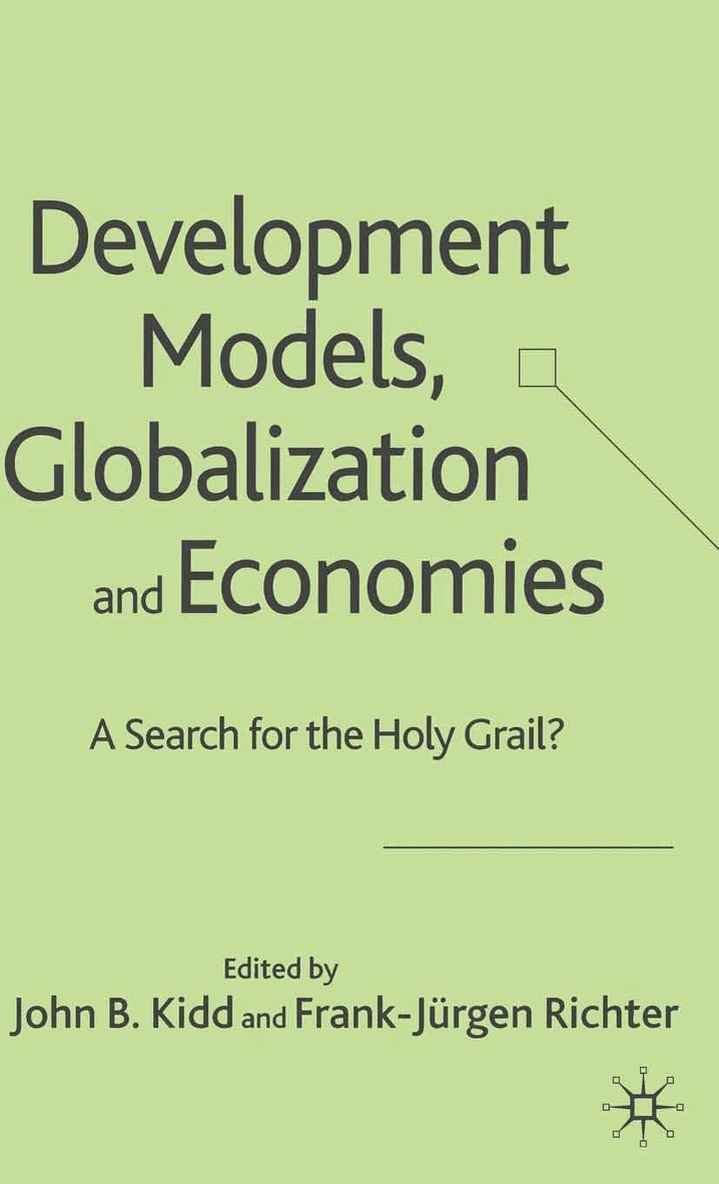
Development Models, Globalization and Economies
A Search for the Holy Grail?
Av Frank-Jurgen Richter, John B. Kidd
E-bok, 2005
1550 kr
Lägg i varukorg
This text considers different economic models available in the global market. The US or Anglo-Saxon model is often portrayed as the best but now Asia is again on a roll. The book analyzes how these models have influenced both regional and global development, and engages in discussions upon …
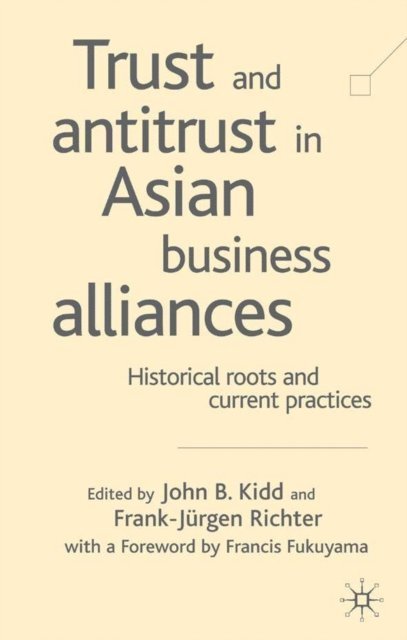
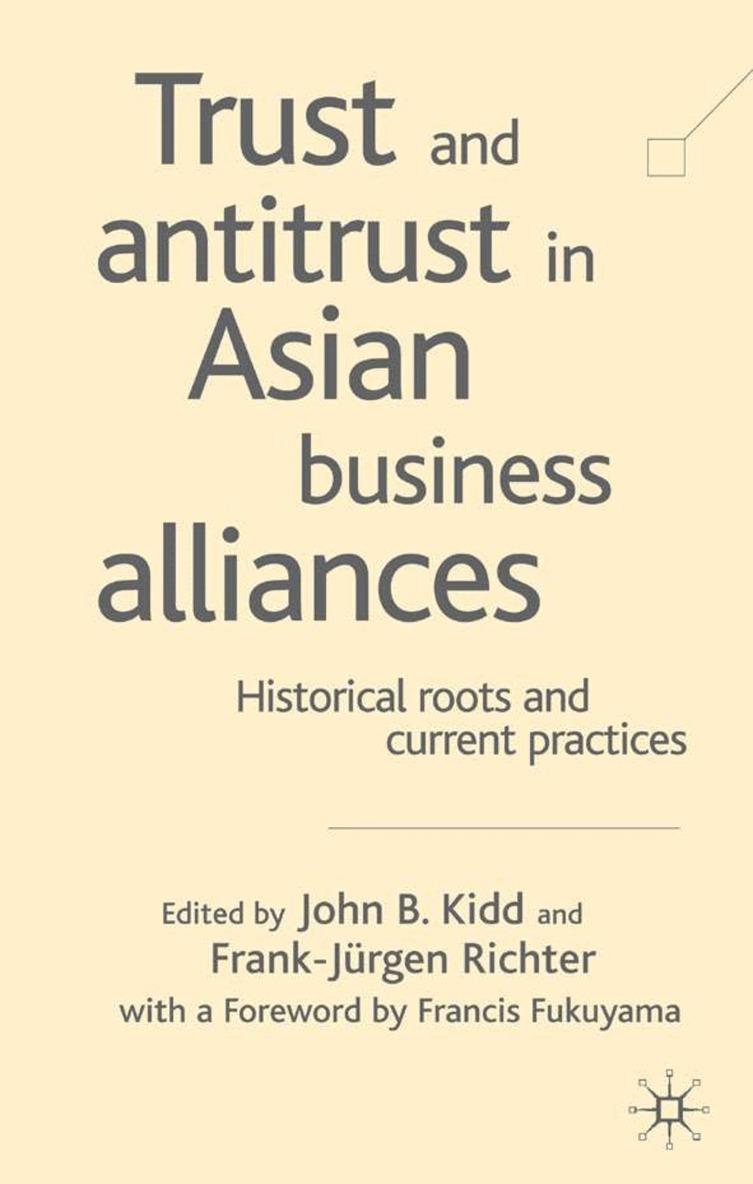
Trust and Antitrust in Asian Business Alliances
Historical Roots and Current Practices
Av Frank-Jurgen Richter, John B. Kidd
E-bok, 2003
1596 kr
Lägg i varukorg
This book reviews the deep historical roots of Asian business ethics and firmly places these into the modern context. From this analysis the various authors review the role of trust in alliances - in general, and in operational detail in several countries in South and East Asia: Malaysia, Japan, …
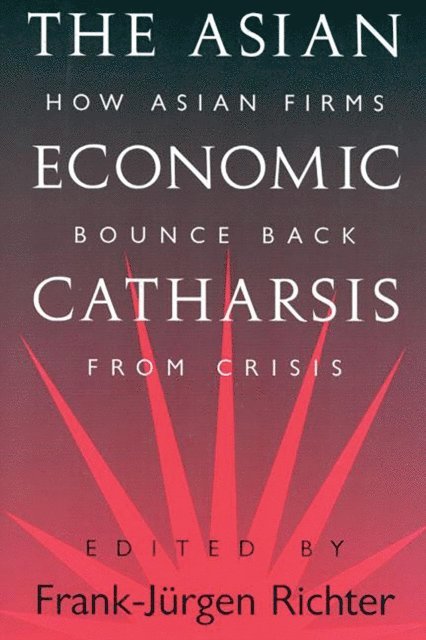
Asian Economic Catharsis
How Asian Firms Bounce Back from Crisis
E-bok, 2000
1204 kr
Lägg i varukorg
One result of the Asian economic crisis has been to shatter the belief that Asian ways of management are superior to Western ways. Now, just to survive, Asian firms have come to rethink their entire way of managing, and in his latest book, Richter, assisted by his contributing authors, gives a …
Business Networks in Asia
Promises, Doubts, and Perspectives
E-bok, 1999
1136 kr
Lägg i varukorg
Despite the current crisis, Asian economies remain an important market for firms around the world and continue to be stiff competitors in world business. One reason for the region's strength, and a predictor of Asia's endurance, are its business networks—^Ikeiretsus^R in Japan, ^Ichaebols^R in …
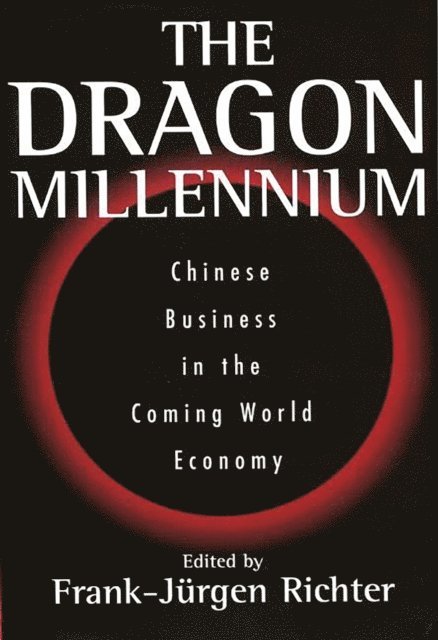
Dragon Millennium
Chinese Business in the Coming World Economy
E-bok, 2000
1204 kr
Lägg i varukorg
Already the world's third largest economic power, China presents enormous potential for businesses worldwide. Opportunities abound, and despite current economic crises throughout Asia, Richter and the contributors to this unique volume are convinced that opportunities in China can only increase. …
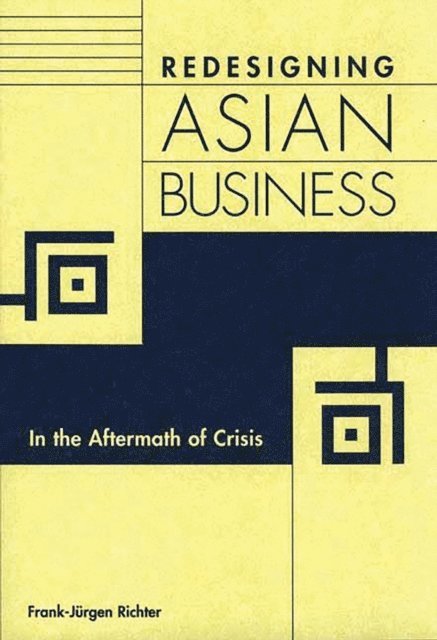
Redesigning Asian Business
In the Aftermath of Crisis
E-bok, 2002
1204 kr
Lägg i varukorg
With much of the Asian Miracle destroyed and much of the Western world's awe for Asian ways of management dissipated, organizations there are changing with such speed that most of our knowledge about them is quickly outdated. Richter takes stock of East Asian management practices, as they are …
Development Models, Globalization and Economies
A Search for the Holy Grail?
Av John B. Kidd, Frank-Jürgen Richter
Häftad, 2006
1094 kr
Lägg i varukorg
This text considers different economic models available in the global market. The US or Anglo-Saxon model is often portrayed as the best but now Asia is again on a roll. The book analyzes how these models have influenced both regional and global development, and engages in discussions upon …
Trust and Antitrust in Asian Business Alliances
Historical Roots and Current Practices
Av John B. Kidd, Frank-Jürgen Richter
Inbunden, 2003
1126 kr
Lägg i varukorg
This book reviews the deep historical roots of Asian business ethics and firmly places these into the modern context. From this analysis the various authors review the role of trust in alliances - in general, and in operational detail in several countries in South and East Asia: Malaysia, Japan, …
Development Models, Globalization and Economies
A Search for the Holy Grail?
Av John B. Kidd, Frank-Jürgen Richter
Inbunden, 2006
1094 kr
Lägg i varukorg
This text considers different economic models available in the global market. The US or Anglo-Saxon model is often portrayed as the best but now Asia is again on a roll. The book analyzes how these models have influenced both regional and global development, and engages in discussions upon …
Business Networks in Asia
Promises, Doubts, and Perspectives
Av Frank Richter, Frank-Jurgen Richter
Inbunden, 1999
1102 kr
Lägg i varukorg
Despite the current crisis, Asian economies remain an important market for firms around the world and continue to be stiff competitors in world business. One reason for the region's strength, and a predictor of Asia's endurance, are its business networks—^Ikeiretsus^R in Japan, ^Ichaebols^R in …
FIGHTING CORRUPTION IN ASIA: CAUSES, EFFECTS AND REMEDIES
Av KIDD JOHN, John Kidd m. fl.
Inbunden, 2003
2462 kr
Lägg i varukorg
Fundamental changes within economies are needed to create arm's-length relations between governments, corporations, and banks. We are taking risks when investing in the future, and risk-taking demands openness and truthfulness from the agents we employ. If investors and accountants can concur on …