Frederick W. Gooding Jr. – författare
Visar alla böcker från författaren Frederick W. Gooding Jr.. Handla med fri frakt och snabb leverans.
9 produkter
9 produkter
1 202 kr
Skickas inom 7-10 vardagar
From white-collar executives to mail carriers, public workers meet the needs of the entire nation. Frederick W. Gooding Jr. and Eric S. Yellin edit a collection of new research on this understudied workforce. Part One begins in the late nineteenth- and early twentieth century to explore how questions of race, class, and gender shaped public workers, their workplaces, and their place in American democracy. In Part Two, essayists examine race and gender discrimination while revealing the subtle contemporary forms of marginalization that keep Black men and Black and white women underpaid and overlooked for promotion. The historic labor actions detailed in Part Three illuminate how city employees organized not only for better pay and working conditions but to seek recognition from city officials, the public, and the national labor movement. Part Four focuses on nurses and teachers to address the thorny question of whether certain groups deserve premium pay for their irreplaceable work and sacrifices or if serving the greater good is a reward unto itself.Contributors: Eileen Boris, Cathleen D. Cahill, Frederick W. Gooding Jr., William P. Jones, Francis Ryan, Jon Shelton, Joseph E. Slater, Katherine Turk, Eric S. Yellin, and Amy Zanoni
319 kr
Skickas inom 7-10 vardagar
From white-collar executives to mail carriers, public workers meet the needs of the entire nation. Frederick W. Gooding Jr. and Eric S. Yellin edit a collection of new research on this understudied workforce. Part One begins in the late nineteenth- and early twentieth century to explore how questions of race, class, and gender shaped public workers, their workplaces, and their place in American democracy. In Part Two, essayists examine race and gender discrimination while revealing the subtle contemporary forms of marginalization that keep Black men and Black and white women underpaid and overlooked for promotion. The historic labor actions detailed in Part Three illuminate how city employees organized not only for better pay and working conditions but to seek recognition from city officials, the public, and the national labor movement. Part Four focuses on nurses and teachers to address the thorny question of whether certain groups deserve premium pay for their irreplaceable work and sacrifices or if serving the greater good is a reward unto itself.Contributors: Eileen Boris, Cathleen D. Cahill, Frederick W. Gooding Jr., William P. Jones, Francis Ryan, Jon Shelton, Joseph E. Slater, Katherine Turk, Eric S. Yellin, and Amy Zanoni
455 kr
Skickas inom 7-10 vardagar
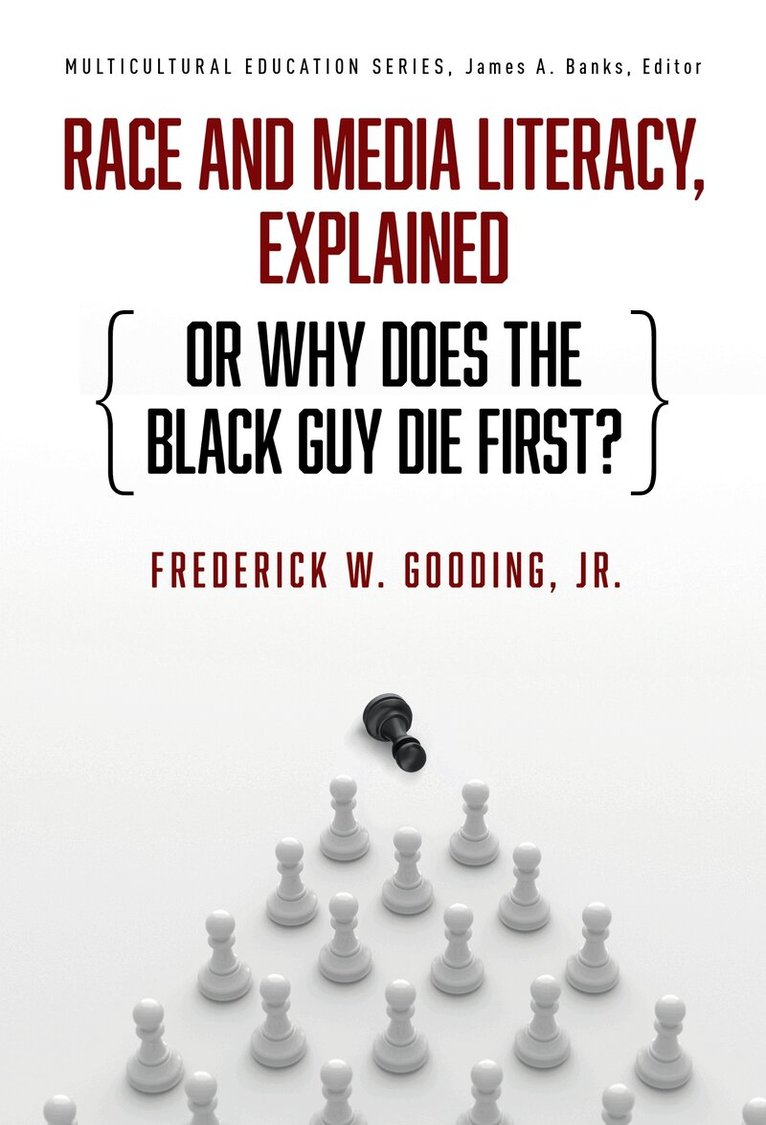
Talking about race does not have to be incredibly awkward. In this book, Gooding offers twelve clear, cogent, and concise racial rubrics to help users of mainstream media more readily discern patterns hidden in plain sight. The text primarily leverages popular movies as the medium of analysis--since they are unparalleled in their cultural significance--but the rubrics apply to other forms of media, such as television, print, and social media. "Why does the Black guy die first?" is a well-known rhetorical question that challenges the disparate treatment of non-White characters onscreen. This subtle statement about the representation of persons of colour within mainstream movies has remained largely unexplored until now. Race and Media Literacy, Explained provides concrete concepts and a uniform vocabulary with which to recognize and further analyse these formulaic images. After participating in this dynamically interactive experience, readers will never see media the same way again!Book Features:Employs an interdisciplinary approach to teaching race, drawing on cinema and forms of popular media that most students know.Guidance for honing media literacy skills with middle, high school, and undergraduate college students.A HARM Theory Rubric that identifies 6 consistent patterns for depictions of non-White characters and 6 consistent patterns for White characters within mainstream movies. Questions for Questing sections provide critical questions for further exploration.Concrete vocabulary/glossary terms to engage with the subject matter more precisely.Innovative analysis of depictions of race and ethnicity in the top ten highest-grossing films of all time.
1 326 kr
Skickas inom 7-10 vardagar
Talking about race does not have to be incredibly awkward. In this book, Gooding offers twelve clear, cogent, and concise racial rubrics to help users of mainstream media more readily discern patterns hidden in plain sight. The text primarily leverages popular movies as the medium of analysis--since they are unparalleled in their cultural significance--but the rubrics apply to other forms of media, such as television, print, and social media. "Why does the Black guy die first?" is a well-known rhetorical question that challenges the disparate treatment of non-White characters onscreen. This subtle statement about the representation of persons of colour within mainstream movies has remained largely unexplored until now. Race and Media Literacy, Explained provides concrete concepts and a uniform vocabulary with which to recognize and further analyse these formulaic images. After participating in this dynamically interactive experience, readers will never see media the same way again!Book Features:Employs an interdisciplinary approach to teaching race, drawing on cinema and forms of popular media that most students know.Guidance for honing media literacy skills with middle, high school, and undergraduate college students.A HARM Theory Rubric that identifies 6 consistent patterns for depictions of non-White characters and 6 consistent patterns for White characters within mainstream movies. Questions for Questing sections provide critical questions for further exploration.Concrete vocabulary/glossary terms to engage with the subject matter more precisely.Innovative analysis of depictions of race and ethnicity in the top ten highest-grossing films of all time.
Stories from the Front of the Room
How Higher Education Faculty of Color Overcome Challenges and Thrive in the Academy
Inbunden, Engelska, 2017
786 kr
Skickas inom 10-15 vardagar
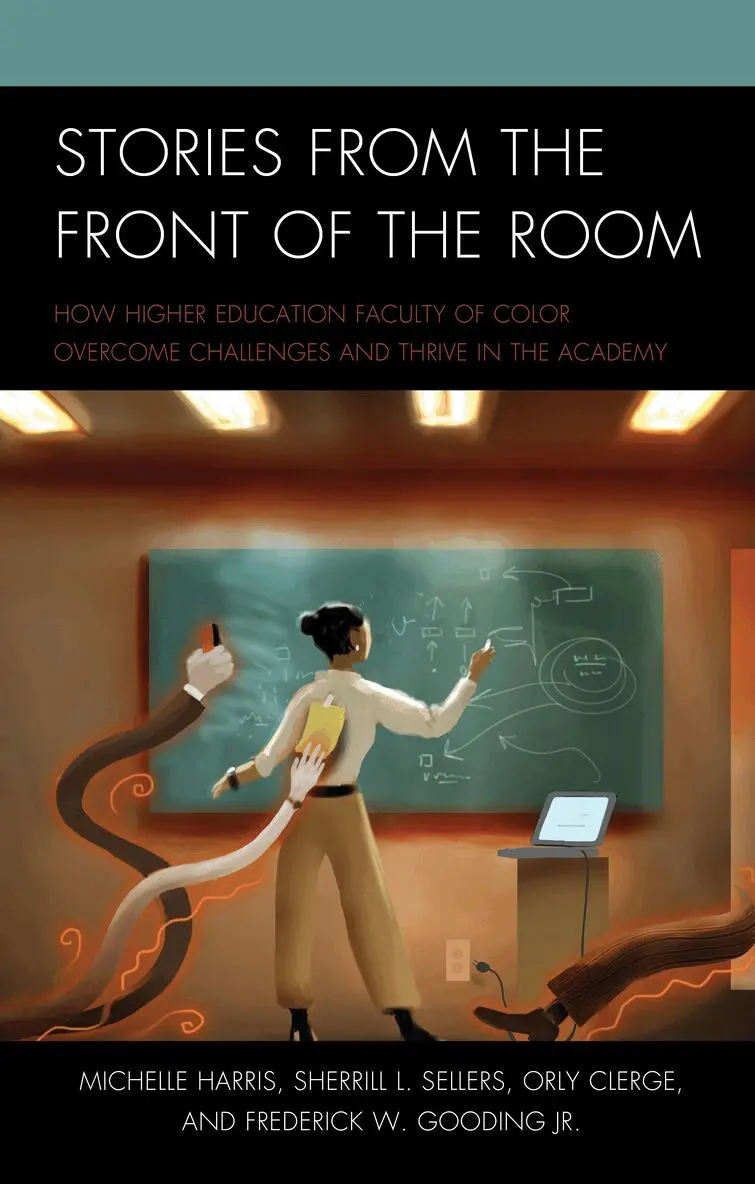
Research demonstrates that faculty of color in historically white institutions experience higher levels of discrimination, cultural taxation, and emotional labor than their white colleagues. Despite efforts to recruit minority faculty, all of these factors undermine their scholarship, pedagogy, social experiences, promotion and retention. This edited volume builds upon the existing research on faculty of color, however, it also departs from the existing literature and unravels the socio-emotional experiences of being in front of the classroom, in labs, and in the Ivory Tower for faculty who are in multiple racialized social locations. In an effort to circulate the experiences of faculty of color more widely to academic and non-academic audiences, this edited volume replaces conventional scholarly technical papers with unconventionally accessible letters. Stories from the Front of the Room focuses on the boundaries which faculty of color encounter in everyday experiences on campus and presents a more complete picture of life in the academy - one that documents how faculty of color are tested, but also how they can not only overcome, but thrive in their respective educational institutions.
Stories from the Front of the Room
How Higher Education Faculty of Color Overcome Challenges and Thrive in the Academy
Häftad, Engelska, 2017
422 kr
Skickas inom 10-15 vardagar
Research demonstrates that faculty of color in historically white institutions experience higher levels of discrimination, cultural taxation, and emotional labor than their white colleagues. Despite efforts to recruit minority faculty, all of these factors undermine their scholarship, pedagogy, social experiences, promotion and retention. This edited volume builds upon the existing research on faculty of color, however, it also departs from the existing literature and unravels the socio-emotional experiences of being in front of the classroom, in labs, and in the Ivory Tower for faculty who are in multiple racialized social locations. In an effort to circulate the experiences of faculty of color more widely to academic and non-academic audiences, this edited volume replaces conventional scholarly technical papers with unconventionally accessible letters. Stories from the Front of the Room focuses on the boundaries which faculty of color encounter in everyday experiences on campus and presents a more complete picture of life in the academy - one that documents how faculty of color are tested, but also how they can not only overcome, but thrive in their respective educational institutions.
1 048 kr
Skickas inom 7-10 vardagar
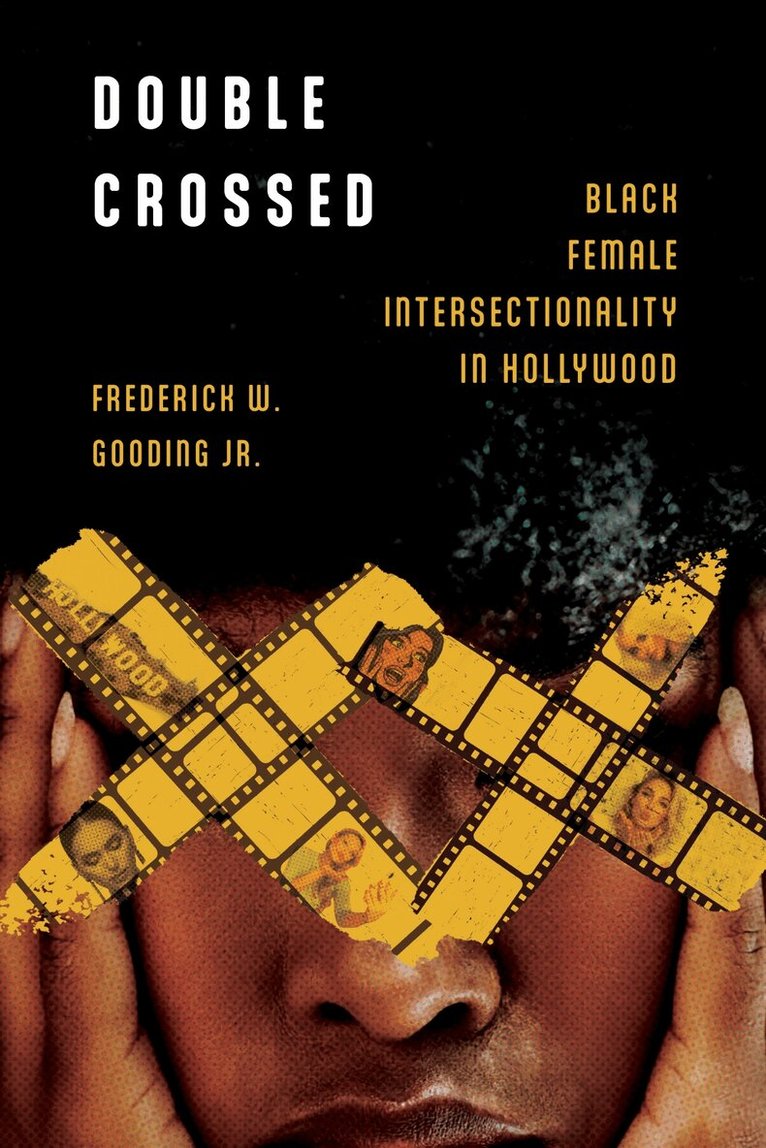
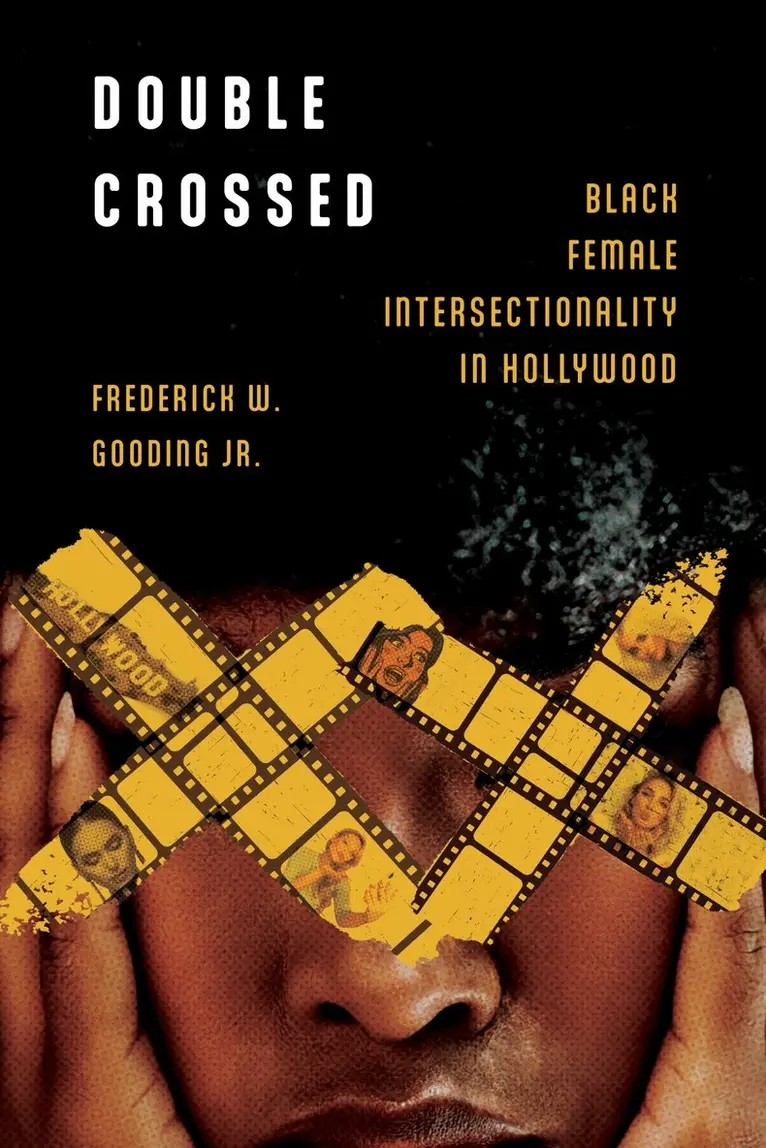
Despite Hollywood’s recent efforts to appeal to more racially diverse audiences, mainstream movies routinely present a limited view of nonwhites generally, and Black women specifically, in stark contrast to the broadly developed spectrum of white characters. Black women characters are frequently rendered invisible, and even in films featuring their image, Black women characters too often fall prey to historically stereotypical patterns. These consistently marginalized Black female images serve to reflect and reinforce messages of racial imbalance distributed worldwide.In Double Crossed: Black Female Intersectionality in Hollywood, author Frederick W. Gooding Jr. chronicles the Black female experience through the lens of Hollywood. Gooding begins by contextualizing the origins of early Black female imagery onscreen, largely restricted to the domestic mammy figure, then traces how these images have shifted over time. Through close readings of such films as Gone with the Wind, Bringing Down the House, The Princess and the Frog, and The Help, as well as case studies looking at Oprah Winfrey and Shonda Rhimes, Gooding considers not only the image the Black woman creates, but also the shadow she casts. In other words, he argues, these consistent patterns of racial imagery reflect and reinforce messages of racial imbalance distributed worldwide. Overall, the volume demonstrates the historical, economic, and social consequences of Hollywood’s distorted representation of Black women onscreen and in real life.
310 kr
Skickas inom 7-10 vardagar
Despite Hollywood’s recent efforts to appeal to more racially diverse audiences, mainstream movies routinely present a limited view of nonwhites generally, and Black women specifically, in stark contrast to the broadly developed spectrum of white characters. Black women characters are frequently rendered invisible, and even in films featuring their image, Black women characters too often fall prey to historically stereotypical patterns. These consistently marginalized Black female images serve to reflect and reinforce messages of racial imbalance distributed worldwide.In Double Crossed: Black Female Intersectionality in Hollywood, author Frederick W. Gooding Jr. chronicles the Black female experience through the lens of Hollywood. Gooding begins by contextualizing the origins of early Black female imagery onscreen, largely restricted to the domestic mammy figure, then traces how these images have shifted over time. Through close readings of such films as Gone with the Wind, Bringing Down the House, The Princess and the Frog, and The Help, as well as case studies looking at Oprah Winfrey and Shonda Rhimes, Gooding considers not only the image the Black woman creates, but also the shadow she casts. In other words, he argues, these consistent patterns of racial imagery reflect and reinforce messages of racial imbalance distributed worldwide. Overall, the volume demonstrates the historical, economic, and social consequences of Hollywood’s distorted representation of Black women onscreen and in real life.
Black Statues, Monuments, and Public Memory in Washington, DC
Etched in Stone
Inbunden, Engelska, 2026
1 617 kr
Kommande
When was the last time you saw a Black statue?By examining Black monuments in Washington, DC, this book offers an incisive reflection on cultural heritage and public history in the United States, showing how public monuments embody significant communal investments and serve as powerful expressions of political authority, signaling who is deemed worthy of collective remembrance and respect. Frederick W. Gooding Jr. combines quantitative and qualitative data in order to pose—and answer—the question: What does the presence—or absence—of Black statues reveal about African American inclusion in the contemporary United States?Tracing the evolving rhetoric, politics, and cultural weight of Black monuments from the nineteenth century to the present, Gooding examines how statues function as persuasive artifacts—what they assert, what they omit, and why they so often stand apart from dominant public narratives. He brings a missing perspective to current debates about Confederate monument removals by foregrounding Black monuments that have long remained hidden in plain sight. The striking scarcity of such works throughout the District not only signals visible absence but also reflects persistent messages about the perceived value and visibility of African Americans. Gooding offers a clear framework for understanding how monuments shape—and are shaped by—racialized histories of American public life, ultimately showing how the limited presence of Black statues is not merely a matter of representation, but a powerful indicator of whose histories and whose humanity is granted a place in national memory.