Gideon Reuveni – författare
Visar alla böcker från författaren Gideon Reuveni. Handla med fri frakt och snabb leverans.
14 produkter
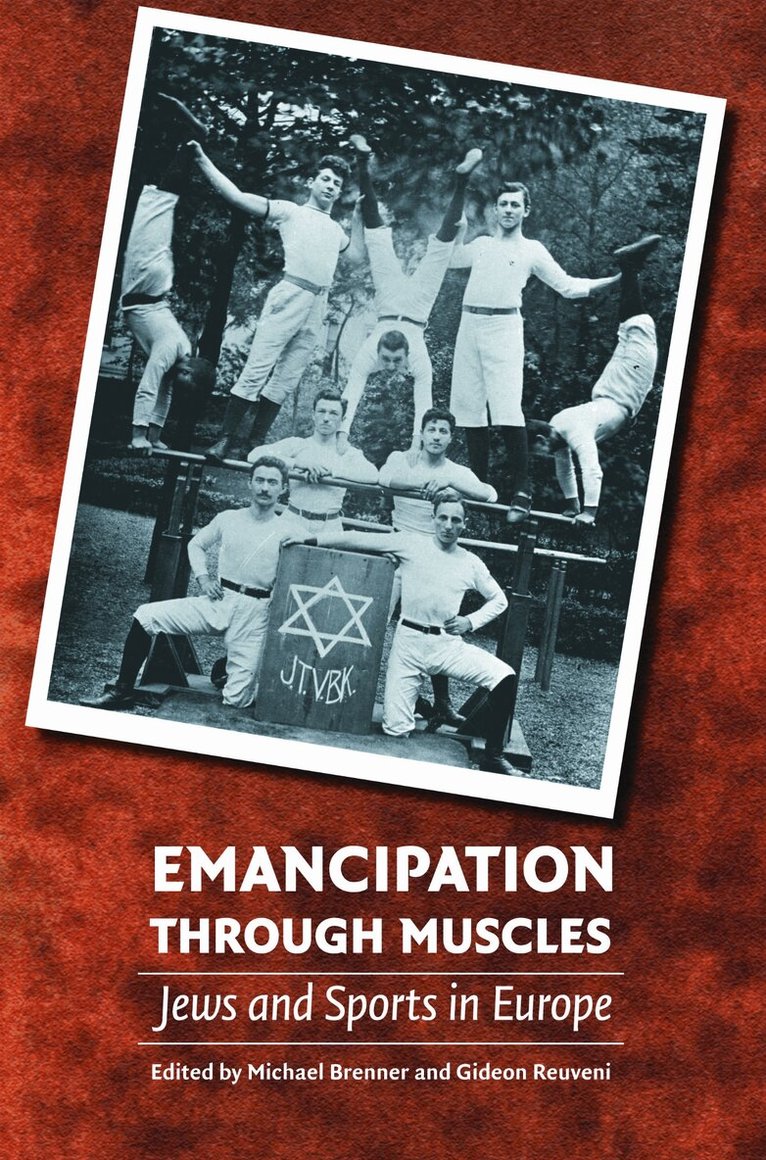
Emancipation Through Muscles
Jews and Sports in Europe
Av Michael Brenner, Gideon Reuveni
Inbunden, 2006
402 kr
Lägg i varukorg
Although the study of Jewish identity has generated a growing body of work, the topic of sport has received scant attention in Jewish historiography. Emancipation through Muscles redresses this balance by analyzing the pertinence of sports to such issues as race, ethnicity, and gender in Jewish …
Consumer Culture and the Making of Modern Jewish Identity
Inbunden, 2017
1690 kr
Lägg i varukorg
Antisemitic stereotypes of Jews as capitalists have hindered research into the economic dimension of the Jewish past. The figure of the Jew as trader and financier dominated the nineteenth and twentieth centuries. But the economy has been central to Jewish life and the Jewish image in the world; …
Consumer Culture and the Making of Modern Jewish Identity
Häftad, 2021
586 kr
Lägg i varukorg
Antisemitic stereotypes of Jews as capitalists have hindered research into the economic dimension of the Jewish past. The figure of the Jew as trader and financier dominated the nineteenth and twentieth centuries. But the economy has been central to Jewish life and the Jewish image in the world; …
Jewish Experience of the First World War
Av Edward Madigan, Gideon Reuveni
Inbunden, 2018
1461 kr
Lägg i varukorg
This book explores the variety of social and political phenomena that combined to the make the First World War a key turning point in the Jewish experience of the twentieth century. Just decades after the experience of intense persecution and struggle for recognition that marked the end of the …
Jewish Experience of the First World War
Av Gideon Reuveni, Edward Madigan
E-bok, 2018
436 kr
Lägg i varukorg
This book explores the variety of social and political phenomena that combined to the make the First World War a key turning point in the Jewish experience of the twentieth century. Just decades after the experience of intense persecution and struggle for recognition that marked the end of the …
Jewish Experience of the First World War
Av Edward Madigan, Gideon Reuveni
Häftad, 2021
333 kr
Lägg i varukorg
This book explores the variety of social and political phenomena that combined to the make the First World War a key turning point in the Jewish experience of the twentieth century. Just decades after the experience of intense persecution and struggle for recognition that marked the end of the …
Great Repair
Emotions, Memory, and the German–Jewish Settlement After the Holocaust
Inbunden, 2026
821 kr
Lägg i varukorg
The Great Repair explores how Jews and Germans began reparations discussions fewer than seven years after the Holocaust – a momentous achievement relegated to the margins of Holocaust scholarship and memory – and the complexities that emerged from the resulting settlement. Gideon Reuveni …
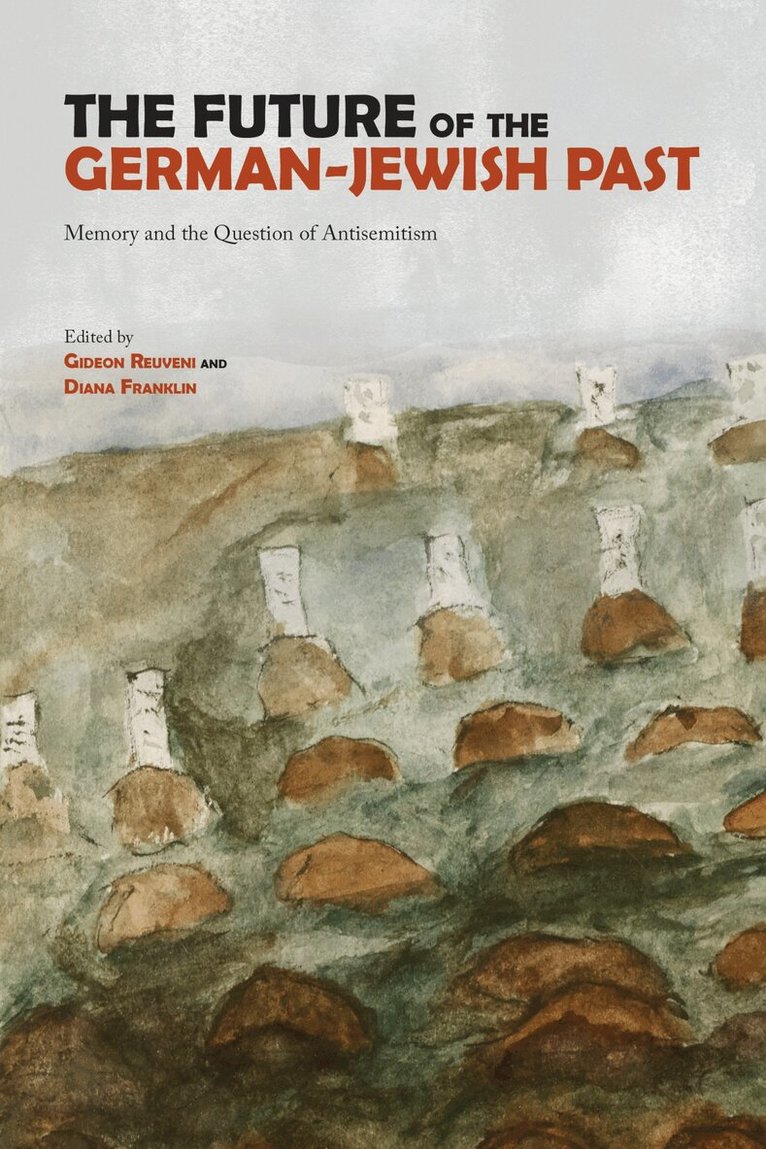
Future of the German-Jewish Past
Memory and the Question of Antisemitism
Av Gideon Reuveni, Diana Franklin
Häftad, 2020
400 kr
Lägg i varukorg
Germany's acceptance of its direct responsibility for the Holocaust has strengthened its relationship with Israel and has led to a deep commitment to combat antisemitism and rebuild Jewish life in Germany. As we draw close to a time when there will be no more firsthand experience of the horrors of …
Reading Germany
Literature and Consumer Culture in Germany before 1933
Inbunden, 2005
2140 kr
Lägg i varukorg
By closely examining the interaction between intellectual and material culture in the period before the Nazis came to power in Germany, the author comes to the conclusion that, contrary to widely held assumptions, consumer culture in the Weimar period, far from undermining reading, used reading …
Economy in Jewish History
New Perspectives on the Interrelationship between Ethnicity and Economic Life
Av Gideon Reuveni, Sarah Wobick-Segev
Inbunden, 2010
1921 kr
Lägg i varukorg
Jewish historiography tends to stress the religious, cultural, and political aspects of the past. By contrast the “economy” has been pushed to the margins of the Jewish discourse and scholarship since the end of the Second World War. This volume takes a fresh look at Jews and the economy, arguing …
Economy in Jewish History
New Perspectives on the Interrelationship between Ethnicity and Economic Life
Av Sarah Wobick-Segev, Gideon Reuveni
E-bok, 2010
326 kr
Lägg i varukorg
Jewish historiography tends to stress the religious, cultural, and political aspects of the past. By contrast the “economy” has been pushed to the margins of the Jewish discourse and scholarship since the end of the Second World War. This volume takes a fresh look at Jews and the economy, arguing …
From Suitcase to Archive
Refugee Archives and German-Jewish Memory
Av Guy Miron, Gideon Reuveni m. fl.
Inbunden, 2027
209 kr
Kommande
When Jewish refugees fled Nazi Germany, they carried with them more than the bare necessities of exile. Letters, photographs, certificates, books, memoirs and personal objects became fragments of lives disrupted by persecution and displacement.From Suitcase to Archive traces the remarkable …
Deutsche Zeiten
Geschichte und Lebenswelt. Festschrift zur Emeritierung von Moshe Zimmermann
Av Gideon Reuveni, Yfaat Weiss m. fl.
E-bok, 2012
630 kr
Lägg i varukorg
Looking at the dislocations in German history in the nineteenth and twentieth century, nineteen historians from different generations and with different approaches explore questions of theory and method, structure and society, biography and everyday culture. The focus is on topics in German-Jewish …
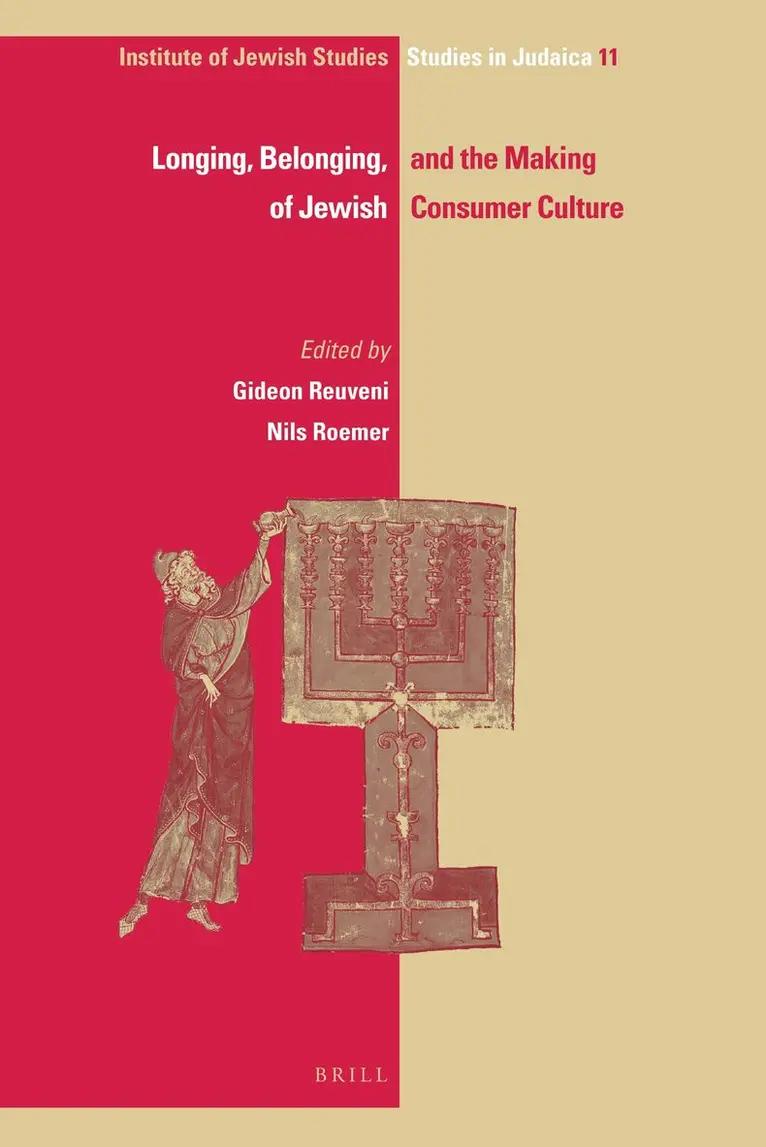
Longing, Belonging, and the Making of Jewish Consumer Culture
Av Gideon Reuveni, Nils Roemer
Inbunden, 2010
2518 kr
Lägg i varukorg
Jewish history has been extensively studied from social, political, religious, and intellectual perspectives, but the history of Jewish consumption and leisure has largely been ignored. The hitherto neglect of scholarship on Jewish consumer culture arises from the tendency within Jewish studies to …